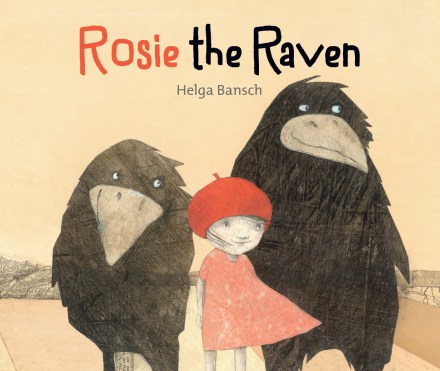
August 13 – Garage Sale Day

celebrate-picture-books-picture-book-review-yard-sale-book-cover

About the Holiday

Isn’t every nice-weather Saturday garage sale day for someone? Nevertheless, the second Saturday in August has officially been designated with this special shopping moniker. Garage sales aka yard sales are fun to explore—you never know what treasures you might find. Hosting your own can free up space in your house to start fresh or, as in today’s book, reaffirm the most important things in life.

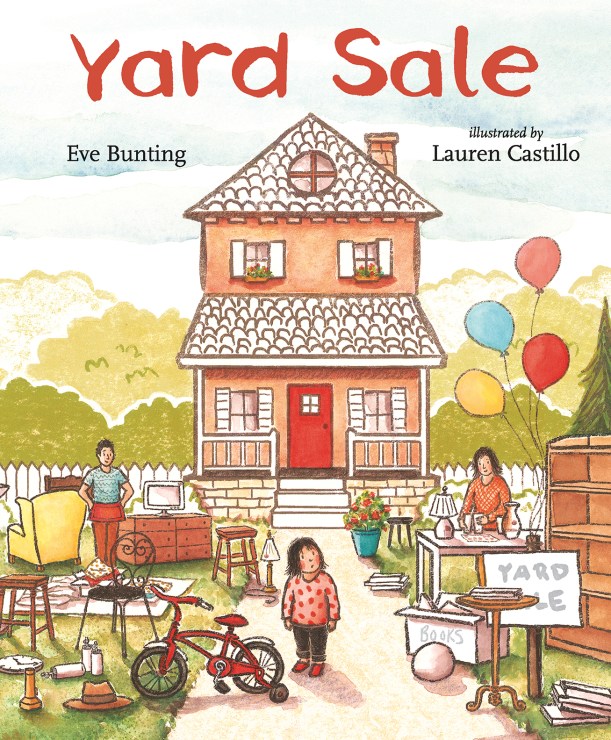
Yard Sale

Written by Eve Bunting | Illustrated by Lauren Castillo


From the first words—“Almost everything we own is spread out in our front yard”—readers realize that this is no ordinary yard sale. A little girl sits on the front porch of her tidy house gazing out sadly at the family’s furniture, toys, books, and knick-knacks that are all for sale. The family is moving to a small apartment: “‘Small but nice,’ my mom told me.” The apartment has a secret bed that opens down from the wall “right in the living room.”

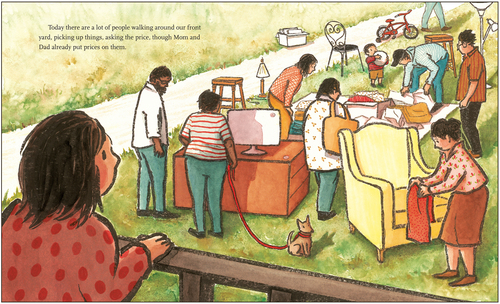
When the yard sale opens people stop by to look, “picking up things, asking the price, though Mom and Dad already put prices on them.” Even though the items are priced low, people haggle over how much they want to pay. A woman complains that ten dollars is too much for the little girl’s bed because the headboard has crayon marks on it. Watching, Callie now wishes she hadn’t made the marks to show how often she had read Goodnight Moon. Her mother settles for five dollars for the bed.

celebrate-picture-books-picture-book-review-yard-sale-bike-sold

Image copyright Lauren Castillo, courtesy of laurencastillo.com

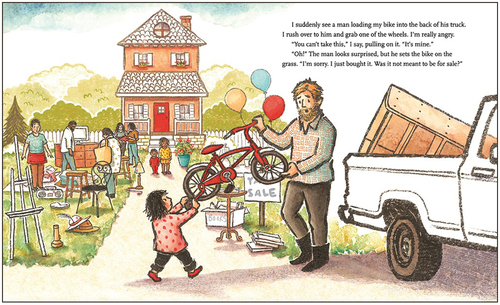
Suddenly, Callie sees a man loading her bike into a truck and runs to grab it. The man is confused, sorry for taking it, but tells her he has just bought it. Callie’s dad runs over and explains again that the apartment has no place for the bike or sidewalks nearby to ride it on. Callie looks at her dad who seems to have tears in his eyes, “but probably not,” she says. “My dad doesn’t cry.” She relinquishes the bike, but asks the man, “‘Will you give it back to me when we get our house back?’”

Callie’s best friend, Sara, is waiting for her. The two friends hug and talk about why Callie has to move. “‘I wish you didn’t have to go,’” Sara mutters. “‘Why do you, anyway?’” Callie shrugs. “‘I don’t know. It’s something to do with money.’” They don’t understand what has happened, and Sara offers, “‘I could ask my parents if you could stay with us.’” But Callie’s heart tells her where she belongs. “‘My parents would be lonely,’” she says. “‘…I’d miss my mom and dad.’”

The sale continues and people drive away with tables, chairs, and clothing. For a moment, Callie feels important when a man asks her if their large potted geranium is for sale and she directs him to her dad. By the end of the day almost everything is gone. Callie’s mom “looks droopy” and her dad is comforting her. Callie sits dejectedly watching the final things being carried away and thinking that she will give Sara her red heart necklace and invite her to visit their new apartment.

celebrate-picture-books-picture-book-review-yard-sale-callie-watching

Image copyright Lauren Castillo, courtesy of laurencastillo.com

At that moment a woman comes up to Callie and says, “‘Aren’t you just the cutest thing? Are you for sale?’” Callie has a visceral reaction: “A shiver runs through me, from my toes to my head.” She runs to her parents, crying. “‘I’m not for sale, am I? You wouldn’t sell me, would you?’” Her parents drop what they are doing to hug and reassure Callie that they would “‘not ever ever, ever’” sell her. “‘Not for a million, trillion dollars.’”

With everything gone, Callie and her parents go back inside their “almost empty house.” It’s okay, Callie thinks. None of the stuff is important, and it wouldn’t fit in their new place anyway. “But we will fit in our new place. And we are taking us.”

For so many children frequent relocations or sudden moves from a home they know is a reality. Eve Bunting’s Yard Sale treats this subject with sensitivity and honest emotion through the eyes of a little girl for whom the change is confusing but ultimately reassuring. Bunting does not stint on either the setting of the yard sale itself, where people quibble over a couple of dollars, or the toll the day takes on the family. Her dialogue always rings true, and her straightforward delivery allows for understanding and for the moments of humor to shine through.

Lauren Castillo’s ink-and-watercolor paintings anchor this emotional story in a homey, loving environment even as they realistically portray the atmosphere of the yard sale. The full range of feelings are apparent in the characters’ faces from sadness and doubt to kindness and acceptance. Children will respond to Callie with her earnest attempts to understand and feel the comfort and encouragement Callie receives as her parents bend down to talk to her, hold her hand, and give her hugs.

Yard Sale is a poignant story that offers assurance and insight both for children who are facing a move and the friends and classmates who will miss them. The book’s theme is applicable to other daunting circumstances and would be a welcome addition to classroom and local libraries as well as for individuals encountering change.

Ages 4 – 9

Candlewick Press, 2015 | ISBN 978-0763665425

To view more books and artwork by Lauren Castillo, visit her website!

Garage Sale Day Activity

celebrate-picture-books-picture-book-review-garage-sale-maze

Garage Sale Maze


A garage sale is a bit like a treasure hunt. Can you find your way through this printable Garage Sale Maze from the roadside sign to the items for sale? Here’s the Solution!

August 12 – International Youth Day

celebrate-picture-books-picture-book-review-nadia-the-girl-who-couldn't-sit-still-cover

Image copyright Christine Davenier, courtesy of Houghton Mifflin Harcourt Publishing Co.

About the Holiday

In so many ways children and young adults are not only our future but they lead the world forward now. In recognition of this, the United Nations established International Youth Day to work toward ensuring that all children have access to resources to make positive and progressive choices. The theme for this year’s International Youth Day revolves around sustainable consumption, an important topic for the world our young people are inheriting.

It’s fitting that today’s holiday comes during the Olympic Games, a showcase of the best determination, hope, and spirit of today’s youth and tomorrow’s promise. A “perfect” reminder of that is the subject of today’s book!

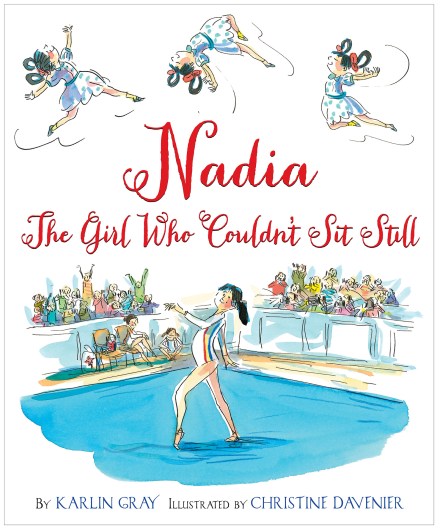
Nadia: The Girl Who Couldn’t Sit Still

Written by Karlin Gray | Illustrated by Christine Davenier


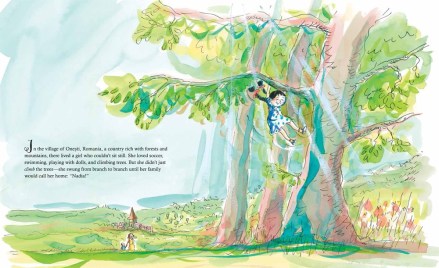
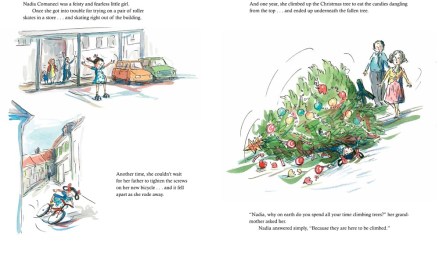
“In the village of Oneşti, Romania, a country rich with forests and mountains” Nadia Comaneci could often be seen swinging from tree branch to tree branch. She was a little girl who loved to play. She was “feisty and fearless,” attempting new things on a whim and always with a sense of adventure. Once she tried on a pair of roller skates and skated right out of the store! Another time she was so impatient to ride her new bike that she pedaled off before her father could even tighten the screws. The bike “fell apart as she rode away.” And one year her love of climbing trees extended to the family Christmas tree, which toppled over on her, pinning her to the ground.

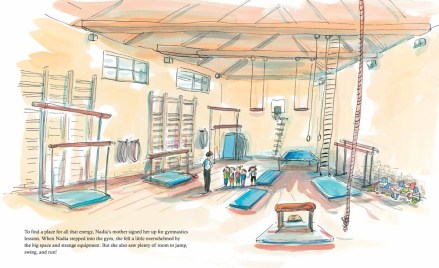
To channel all that energy, Nadia’s mother enrolled her in gymnastics lessons. Nadia’s eyes lit up when she saw the room full of ropes, ladders, bars, mats, and trampolines to discover, but she didn’t leave her new skills at the gym. Nadia and a friend cartwheeled around the school playground, capturing the attention of Bela and Marta Karolyi, who owned a gymnastics school. They invited the girls to join.

celebrate-picture-books-picture-book-review-nadia-the-girl-who-couldn't-sit-still-swinging-in-trees

Image copyright Christine Davenier, courtesy of karlingray.com

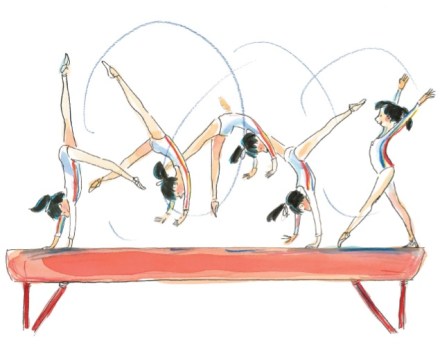
Nadia was only 6 when she began studying with Bela and Marta. Immediately, she discovered that she liked gymnastics better than her school subjects. She progressed quickly from performing “a straight cartwheel on a line painted on the floor” to doing it on a low balance beam and finally on the high balance beam. She began learning harder and harder moves, “flying from bar to bar, from floor to vault, and high above the beam.”

At 9 years old, Nadia competed in her first National Junior Championship. Despite her skill and hard work, she fell from the high beam during a leap not once but three times. Nadia finished the competition in 13th place. Her disappointment only strengthened her resolve. She went back to the gym and continued to practice many hours every day. Her determination paid off, “and at the next National Junior Championship games, she won first place.”

The ultimate recognition of her skill came when she was chosen to be part of the 1976 Romanian Olympic team. The games were held in Montreal, Canada, and all eyes were on the returning gold medalists from Russia, Olga Korbut and Lyudmila Turischeva. But excitement soon filled the venue as Nadia performed on the beam, the floor, and the vault where she scored 9.9, 9.75, and 9.7 on a scale of 1 (the lowest score) to 10 (a perfect score). The next event was the uneven parallel bars on which Olga Korbut had just scored a 9.9. “Nadia mounted the bars. Now fourteen years old, she was a long way from the forests in Romania. But she swung around as easily as she had jumped from branch to branch as a little girl. The audience gasped as she twirled and whipped and flipped.”

celebrate-picture-books-picture-book-review-nadia-the-girl-who-couldn't-sit-still-gym

Image copyright Christine Davenier, courtesy of karlingray.com

Nadia dismounted and landed perfectly on the mat below as the audience “exploded with applause.” Nadia returned to her team to wait for her score. And wait…and wait. Finally, the score appeared on the board—1.00. The worst score. How could that be? “‘What is Nadia’s score?’” Bela asked the judges. “One of the officials held up ten fingers as a voice announced over the loudspeaker: ‘Ladies and gentlemen, for the very first time in Olympic history, Nadia Comaneci has received the score of a perfect ten!’”

Because no one had ever achieved a 10 before, the scoreboards were programmed only for a high of 9.9. Nadia couldn’t bask in her accomplishment for long, however. She moved on to her next event—and her next perfect 10! “When the competition ended, she had earned seven perfect 10s.” At the medal ceremony both Olga and Lyudmila congratulated their competitor as the new Olympic champion. In all Nadia won five medals and became the youngest ever Olympic gold medalist in gymnastics.

celebrate-picture-books-picture-book-review-nadia-the-girl-who-couldn't-sit-still-balance-beam

Image copyright Christine Davenier, courtesy of karlingray.com

Nadia became a darling of the press. They surrounded her, asking “how it felt to have the world’s attention, if she had been confident she would win, and when she would retire.” She answered each reporter with enthusiasm and confidence, and promising that she was a long way from retiring. When she returned home, it seemed that all of Romania had come out to welcome her and her teammates—even the country’s president.

Now Nadia was famous all over the world. She returned to practicing and inventing new routines, preparing for other competitions and the 1980 Olympic Games. She had come far from swinging branch to branch in the trees of Oneşti, but she would always be that little girl who couldn’t sit still.

Karlin Gray’s compelling biography captures all the spunk and spirit of Nadia Comaneci that made the world fall in love with her at the 1976 Olympic Games. Adults of a certain age well remember watching her in astonishment as she seemed to effortlessly swirl, twirl, and flip through her routines, flashing her sweet smile as she waved to fans. In the first pages Gray reveals anecdotes of Nadia’s adventurous nature that will captivate readers even as they giggle at her predicaments.

celebrate-picture-books-picture-book-review-nadia-the-girl-who-couldn't-sit-still-mishaps

Image copyright Christine Davenier, courtesy of karlingray.com

The straightforward narration of Nadia’s trajectory from playground cartwheeler to Olympic champion enhances both the gritty determination of her studies with her coaches as well as the suspense of her competitions. All children—no matter what their talent—will draw inspiration from Nadia’s story, which includes disappointments as well as unbounded accomplishments. Gray’s lyrical language flows as smoothly as Nadia flew through the air and will land in readers’ hearts as a perfect 10.

From the cover, which sports Nadia in her iconic floor exercise pose, to the last page, Christine Davenier depicts the world of gymnastics with beauty and the kind of realistic details that create a classic. The two-page spread of the gym where 6-year-old Nadia learns to love gymnastics portrays the enormity of the space and the equipment for a small girl—as well as the enormity of her achievement.

Kids will love the almost “play-by-play” illustrations of how Nadia learned to perform her feats, from starting with a line on the floor to perfecting the high beam and more. Nadia is shown leaping, somersaulting, doing handstands, and even wavering and falling as she practices and competes. The thrill of the Olympic Games, from the opening ceremonies, to the rapt and cheering audiences to the awards ceremony are drawn with stirring action, color, and attention to the specifics of that very special 1976 summer in Montreal.

An Afterword expands on Nadia Comaneci’s courageous life choices and career post-gymnastics and includes a timeline, notes, a selected bibliography, and websites for further study.

Nadia: The Girl Who Couldn’t Sit Still will fascinate kids and would be a very welcome addition to school classroom—as well as home—libraries.

Ages 5 – 10

Houghton Mifflin Harcourt, 2016 | ISBN 978-0544319608

Visit Karlin Gray‘s website to learn more about her and to download fun activities!

View a gallery of artwork by Christine Davenier on her website!

Discover more about Nadia: The Girl Who Couldn’t Sit Still on the Houghton Mifflin Harcourt website!

International Youth Day Activity

celebrate-picture-books-picture-book-review-rhythmic-gymnastics-ribbon-craft

Rhythmic Gymnastics Ribbon


You can recreate the grace of rhythmic gymnastics with this easy craft! The swirling beauty of the ribbon makes any movement fun!

Supplies

  • 12-inch dowel
  • 6-foot length of ribbon
  • Paint the same color as the ribbon
  • Hot glue gun or strong glue
  • Paint brush

Directions

  1. Paint the dowel and let dry
  2. Glue the edge of the ribbon to one end of the dowel. Wrap the ribbon about ½ inch around the dowel and secure with glue. Let glue dry.

Picture Book Review

August 11 – Son and Daughter Day

celebrate-picture-books-picture-book-review-the-wonderful-things-you-will-be-cover

About the Holiday

Today’s holiday celebrates the special relationship between parents and their sons and daughters. The lifelong bond takes work, dedication, and most importantly unconditional love, and its rewards are innumerable. Whether your child or children are still small, have moved away, or are somewhere in between, spend some time with them, tell them why they are unique, and tell them that you love them.

The Wonderful Things You Will Be

By Emily Winfield Martin


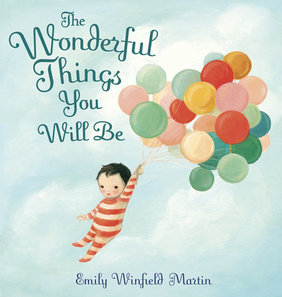
“When I look at you / and you look at me, / I wonder what wonderful / things you will be.” This opening sentence simply and beautifully expresses the emotions of parents and caregivers when first bringing a child home—and every subsequent day as they watch their kids grow and acquire their own talents, experiences, and opinions. From the first moments of a child’s life, the adults around them can’t wait to discover what is behind that sly smile, infectious laugh, even the pained cries. “When you were too small / to tell me hello, / I knew you were someone / I wanted to know.”

celebrate-picture-books-picture-book-review-the-wonderful-things-you-will-be-kids-in-band

Image copyright Emily Winfield Martin, courtesy of theblackapple.typepad.com

Martin reveals what caregivers know but children don’t yet realize—that the size of their heart, their wisdom, and their spirit is evident even when they are tiny, and because each child is unique the world holds a special place for them. Martin then opens that world to readers: “Will you stand up for good / By saving the day? / Or play a song only you / know how to play?” Perhaps the child will tell stories, help things to grow, or learn how to fly. Or will they “take care of things / Much smaller than you?” Whatever the child grows up to choose, parents or caregivers know that “they’ll be kind, and clever, and bold.” And when hard days come, being “brave” and “bright” will vanquish the “shadows.”

As each child matures and chooses a path in life, Martin leaves the reader of the book with these reassuring words any child needs to hear: “And then I’ll look at you / And you’ll look at me / And I’ll love you, / Whoever you’ve grown up to be.”

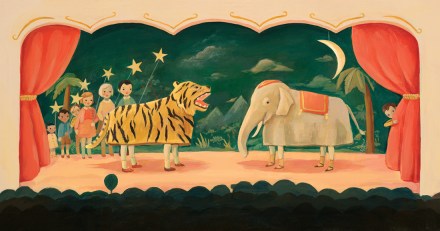
celebrate-picture-books-picture-book-review-the-wonderful-things-you-will-be-kids-in-tiger-and-elephant-play

Image copyright Emily Winfield Martin, courtesy of emilywinfieldmartin.com

When a child first comes into a home, parents or caregivers once again see the world in a new way—fresh and holding unlimited possibilities. Emily Winfield Martin captures that feeling with her lyrical words and delicate paintings. The vintage/retro illustrations populated with adorable children of various ethnicities, faithful pets, and favorite toys, give the book a universal feel. Throughout the book the children go about their tasks with confidence, thoughtfulness, and creativity—embodying the hopes and wishes adult readers have for their own children.

A gate-fold page toward the end of the book is a joy to explore as the illustrated children line up with costumes on as if for a school play or Halloween night. The different costumes invite readers to image what the children may grow up to be.

celebrate-picture-books-picture-book-review-the-wonderful-things-you-will-be-kids-in-kids-in-costumes

Image copyright Emily Winfield Martin, courtesy of emilywinfieldmartin.com

The Wonderful Things You Will Be is a perfect gift for new babies or for older children graduating from high school or college. The book invites multiple readings and makes a wonderful addition to anyone’s library.

Ages Birth and up

Random House Books for Young Readers, 2015 | ISBN 978-0385376716

Discover more distinctive artwork and books by Emily Winfield Martin on her website!

Son and Daughter Day Activity

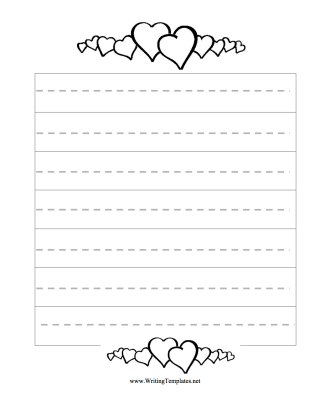
celebrate-picture-books-picture-book-review-i-love-you-template

I Love You Because…


Children love to hear why you think they’re special and why you love them. With this printable I Love You Because…template, you can tell the children in your life what makes them so loveable and unique.

Picture Book Review

August 10 – World Lion Day

celebrate-picture-books-picture-book-review-lion-lessons-jon-agee

About the Holiday

The organization Big Cat Rescue established today’s holiday to bring awareness to the declining lion population. Habitat depletion, climate change, poaching, and other dangers have taken their toll on these majestic animals, and they are now on the endangered list. Global organizations aim to reverse the trend through education, protection, and governmental policy.

Lion Lessons

By Jon Agee


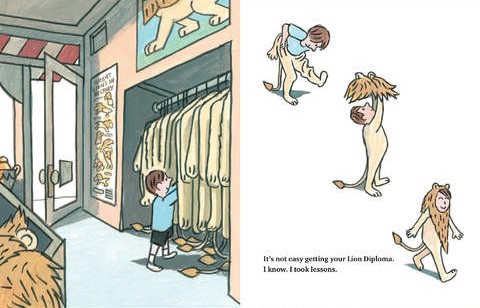
Passing signs for yoga lessons, violin lessons, Spanish classes, knitting classes, karate classes tutoring, a little boy turns into a shop advertising Lion Lessons in 7 Easy Steps. A closet to the right of a poster depicting “Great Lions in History” contains the appropriate garb—lion costumes. The boy steps into the body and attaches the mane. “It’s not easy getting your Lion Diploma,” the boy tells readers. “I know. I took lessons.”

His instructor, a lion himself, reveals that there are seven steps to becoming a lion. But first comes stretching. Converted yoga poses—“the Upward Lion, the Downward Lion, the Upside-Down Lion, the Rolling Lion, and the Flying Lion”—prepare them for the class to come. And, oh yes, they must shake their manes.

celebrate-picture-books-picture-book-review-lion-lessons-jon-agee-wearing-lion-costume

Image copyright Jon Agee, courtesy of Dial Books for Young Readers

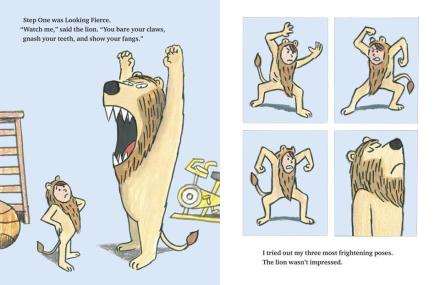
Step One to becoming a lion is “Looking Fierce.” The instructor demonstrates how to do it, complete with bared claws, gnashing teeth, and glinting fangs. The boy attempts these poses, but his instructor isn’t impressed. Step Two is “Roaring.” The boy steps up to the microphone and gives it his loudest growl. The sound barely registers on the noise meter.

Step Three is “Choosing What to Eat.” The instructor folds out the menu, with its wide choice of meats: “free-range muskrat, wombats, organic iguana, grass-fed gnu, all-you-can-eat antelope, sloth, prairie-raised anteater, and wild warthog.” Where’s the spaghetti? the boy wonders, only to learn that lions don’t eat spaghetti. Next up is Step Four: “Prowling Around.” Practice takes place in the forest where the boy learns to hide in the bushes and behind trees without letting his tail show.

Step Five is “Sprinting” and requires meeting the instructor at a faraway tree in five minutes; it took the boy one hour. After Sprinting comes “Pouncing.” The lion maneuvers the boy behind a woman talking on her phone and says, “‘It’s simple. You get a running start and then you jump on that lady.’” The boy protests that he will scare her to death. “‘Uh,’” says the lion, “‘that’s the idea.’” So the boy gets a running start and leaps—right into the lady’s arms. “‘What a cute little kitty-cat!’” she says.

celebrate-picture-books-picture-book-review-lion-lessons-jon-agee-looking-fierce

Image copyright Jon Agee, courtesy of Dial Books for Young Readers

Step seven is “Looking Out for Your Friends.” The boy peers through the telescope and sees a kitten: friend. The dog chasing the kitten: not a friend. The boy lets out a “ferocious roar.” He bares his claws, gnashes his teeth, paws the ground, shakes his mane and sprints across the field. When he’s within striking distance, he pounces…and saves the kitten! “‘Bravo!!’” congratulates the lion.

And that is how the little boy earned his diploma and became a hero to all the neighborhood cats in the bargain!

What kid wouldn’t like to be a lion—if even for a day? To be king of the classroom, or king of the playground, or even king of the house would be awesome. Jon Agee taps into that childhood (and adulthood?) mind set with his story of the little boy who channels his inner big cat to save a little cat from the neighborhood bully dog. Agee’s droll allusions to other popular classes enhances the humor for both kid and adult readers. Instead of yoga pants or a karate gi, the boy dons a lion uniform and proceeds on to perform lion-inspired exercises. While seemingly simple give-and-take, the dialogue between the two characters contains more dry wit that will have kids agreeing with their picture book counterpart and giggling at his predicament.

The over-sized pages and full-bleed colorful spreads allow for king-sized laughs. This is one lion instructor who takes his job seriously no matter how unsavory the menu or pouncing practice may seem to humans. Jon Agee never fails to entertain, and Lion Lessons continues the fun.

Ages 4 – 8

Dial Books for Young Readers, 2016 | ISBN 978-0803739086

To learn more about Jon Agee and his books and view a gallery of his illustrations, visit his website!

World Lion Day Activity
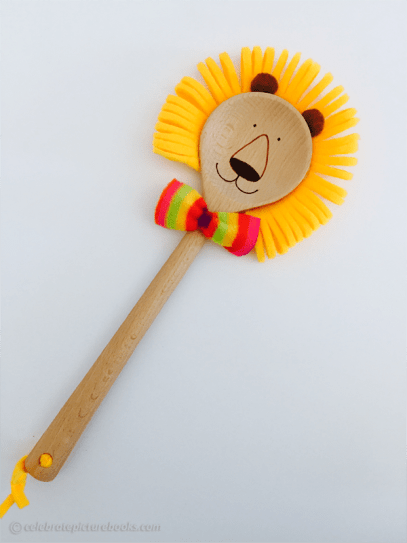
celebrate-picture-books-picture-book-review-wooden-spoon-lion-craft

Wooden Spoon Lion Puppet


Unleash your inner lion! With this craft you can make a ROARingly cute lion puppet!

Supplies

  • Wooden mixing spoon
  • Yellow Fleece
  • Brown felt
  • Colorful Fleece or felt
  • Fabric glue
  • Light brown marker
  • Dark brown marker
  • Hot glue gun or super glue

Directions

  1. To make the lion’s face
  2. Draw a nose, mouth, and eyes on the front/bowl of the spoon

To make the mane

  1. Measure the rim of the spoon from one side of the handle to the other
  2. Cut a strip of yellow fleece as long as rim measurement and 4 inches wide
  3. Fold the piece of fleece in half long-ways
  4. Glue the open edges of the fleece together
  5. Along the folded side cut a fringe, leaving the loops intact

To make the ears

  1. Cut round ears from the brown felt

To assemble the lion

  1. Glue the ears to the back of the spoon
  2. Glue the mane to the back of the spoon

To make the bow

  1. Cut a 3-inch x 1 ½-inch piece of colorful fleece or felt
  2. Cut a long thin strip of fleece or felt
  3. Pinch the bow in the middle and tie with the longer piece of cloth. Trim as necessary
  4. Glue the bow to the handle

To make the tail

  1. Cut three thin 4-inch-long strips of yellow fleece
  2. With fabric glue, glue the tops of the strips together
  3. Braid the strips
  4. At the bottom, glue the strips together, leaving the ends free
  5. Fold the top of the tail and push it into the hole in the handle of the spoon

August 9 – Book Lovers Day

celebrate-picture-books-picture-book-review-roger-is-reading-a-book-cover

About the Holiday

For readers today’s holiday might be the best day of the year! With so many fantastic books to discover, one day doesn’t seem like enough! To make the most of it get up early and go to bed late, call in sick (Shhh…don’t tell them I told you to), order take out for lunch and dinner or read in a favorite restaurant, hire a baby sitter, go to the library or local bookstore….Just find a way to have quiet time to yourself—like Roger in today’s book!

Roger Is Reading a Book

By Koen Van Biesen | Translated by Laura Watkinson


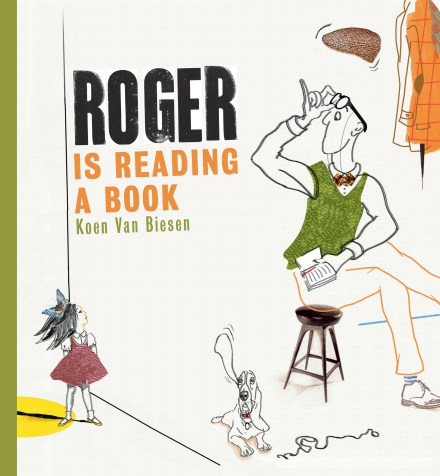
Roger is a minimalist. His room consists of a black padded stool, a hook holding an orange coat, scarf, and umbrella, an extendable lamp jutting from the wall, and a basset hound pining for its leash crumpled on the floor. And—oh yes—there is Roger. Roger is sitting on the stool, reading. The little volume is engrossing, and Roger, in his tweed cap, plaid bowtie, green sweater vest, white shirt, orange outlined pants, and blue striped socks tucked into white shoes, is pondering a page.

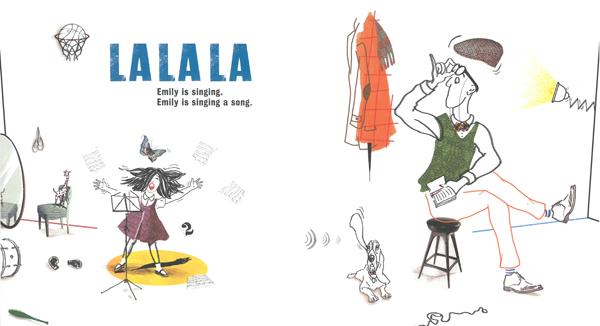
Suddenly from the other side of the wall/left-hand page comes a resounding BOING BOING. It’s Emily bouncing a basketball! Roger flips his lid and the dog’s ear springs to attention. Emily, herself, and her room are a sight to behold. Emily’s thick unruly hair sports an enormous butterfly, she wears a number 2 on her pink dress, and her room is cluttered with the trappings of her hobbies. Roger rises, sets his book on the stool, and knocks on the wall while his dog offers his leash with hope. Emily stops her bouncing to listen.

celebrate-picture-books-picture-book-review-roger-is-reading-emily-singing

Image copyright Koen Van Biesen

Ah! Silence reigns once more and Roger goes back to his book. But what’s this?! Emily is singing. The song is “LALALA” loud! Once again Roger knocks—“KNOCKITY KNOCK.” His dog wags his tail at the door. Okay, order has been restored and Roger, a little distracted, goes back to reading. What on Earth??!! “BOOM BOOM BOOM” Emily is playing the drum. The noise shakes Roger to his core. A shoe flies off, the lamp leaps upward, the book bounds away, Roger whips his head around. “KNOCK KNOCK KNOCKITY KNOCK” Ugh! Thinks Emily. Not this too!

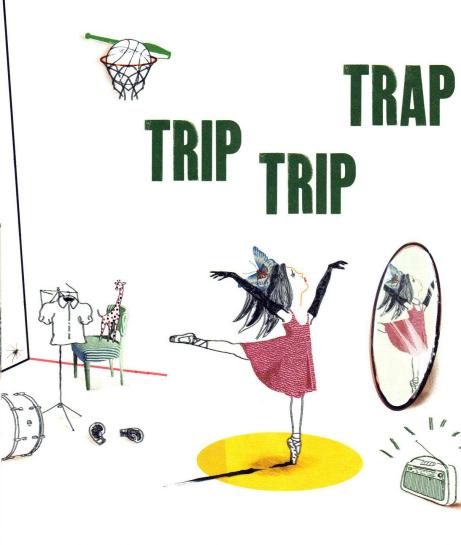
“POK POK POK” Emily juggles colorful clubs while poor Roger rubs his eyes, his book languishing in his hand. Even the basset hound has a paw over his snout. “TRIP TRIP TRAP” Emily is now practicing ballet. Despondent Roger has turned his back on the whole thing—as has his dog and his lamp. The book lies abandoned in the corner. “BAF BAF BAF” Emily is boxing! Something must be done! Roger paces. “Is Roger reading? No, Roger is not reading now.”

celebrate-picture-books-picture-book-review-roger-is-reading-emily-dancing

Image copyright Koen Van Biesen

“Book down. Coat on. Scarf on. Light off. Roger has made up his mind.” “KNOCK KNOCK KNOCK.” Roger knocks on Emily’s door. With a package. Emily tears it open. “OH…A book.” Roger returns to his room and his coat and scarf to the hook. He turns on the lamp and sits down on the stool. “Shhhh! Quiet. Emily is reading. Emily is reading a book.” It’s about juggling and basketball and other things. She holds her stuffed giraffe for company. “Shhhh! Quiet. Roger is reading. Roger is reading a book.” His failthful dog lies nearby for company.

Late into the night they read, their rooms illuminated only by a single lamp. “WOOF WOOF WOOF WOOF WOOF WOOF WOOF WOOF WOOF WOOF WOOF WOOF WOOF ….” Both Roger and Emily jump, startled out of their reverie. There’s only one thing to do. Roger and Emily take the dog for a walk.

With just a glance at the cover of Koen Van Biesen’s Roger Is Reading a Book, readers know they are in for a treat. The distinctive artwork defies simple explanation. Part outline, part optical illusion, the illustrations combine the immediacy of an art installation with the humor of a New Yorker cartoon. You feel for Roger, who just wants to sit quietly and read his book. But perhaps also for Emily, alone, who is trying to fill the empty hours. And of course for Roger’s basset hound, who has a very real need to go out.

The trio’s circumstances come together on a rainy afternoon to create escalating hilarity and finally the perfect solution. The minimal text, displayed in various sizes and colors of type, enhances the droll nature of Roger and Emily’s contest of wills and allows for the illustrations to depict Roger’s growing discontent and Emily’s dedication to her activities. Roger’s basset hound and lamp are funny foils empathizing with Roger’s pain.

The unique art and fun animated read-aloud opportunities presented in this picture book make Roger Is Reading a Book a must for kids’ (or adults’) libraries.

Ages 4 – 8 (and up)

Eerdmans Books for Young Readers, 2015 | ISBN 978-0802854421

Book Lovers Day Activity
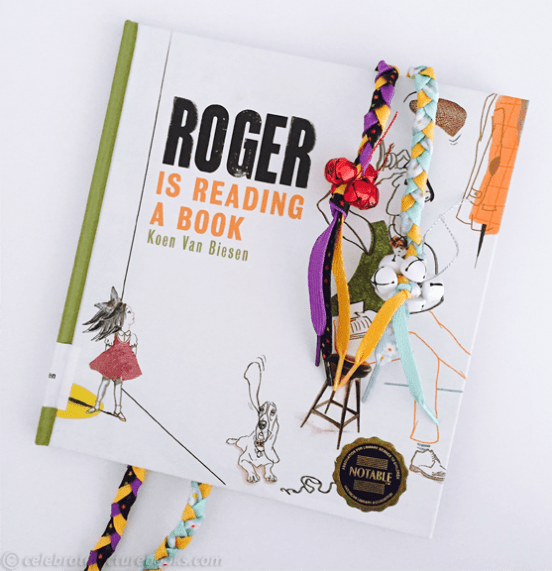
celebrate-picture-books-picture-book-review-bell-bookmark-craft

Read aLOUD Bookmark


Make some noise for your favorite book with this bell-tastic bookmark! It’s easy to make, and everywhere you go you’ll give your book a ringing endorsement!

Supplies

  • 3 novelty shoe laces or three strands of thin ribbon in different designs
  • 6 small jingle bells

Directions

  1. Cut the shoelaces or ribbon to the length you want for your books
  2. Knot the three shoelaces or strands of ribbon together at one end
  3. Braid the three shoelaces or strands of ribbon together
  4. Knot the strands together at the top, leaving about two inches of unbraided shoelace or ribbon hanging
  5. Thread the bells on a piece of string or cord
  6. At the knot tie the bells around the shoelaces or ribbon

Picture Book Review

August 8 – Happiness Happens Day

celebrate-picture-books-picture-book-review-there's-a-giraffe-in-my-soup-cover

About the Holiday

The aim of today’s holiday is to give you a chance to “admit you’re happy.” A smile or laugh at some of the absurdities of life as well as a true appreciation for the good things all around us makes each day better. So find your “happy place” and giggle along with today’s book!

There’s a Giraffe in My Soup

By Ross Burach


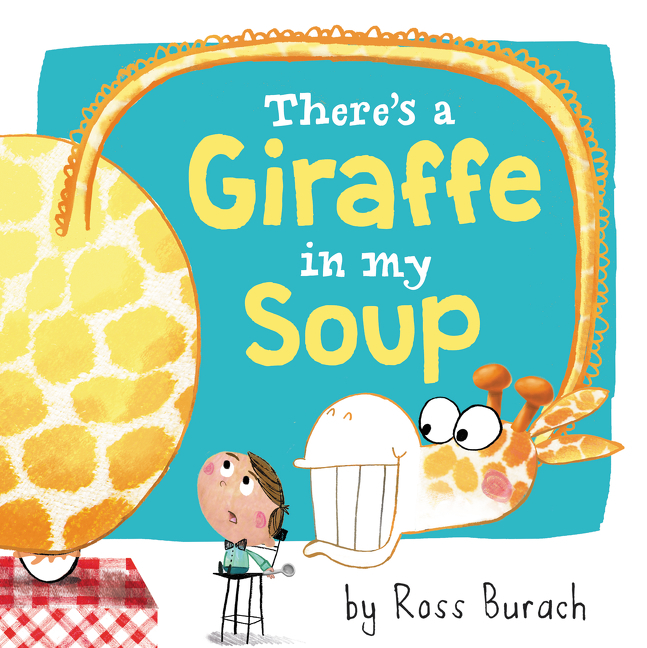
It seems that in such a fine establishment ordering the Special of the Day—Sonia’s Tomato Soup—would be easy, but for one little boy it is anything but. “Excuse me, waiter?” The boy politely summons the red-tuxedoed attendant, who is polishing crystal to a diamond sheen. “There’s a giraffe in my soup!” Offended, the waiter pokes his verrrry long nose in the air and says, “That simply cannot be.” But when he comes nose to teeth with said errant ingredient, he speeds with the giraffe on his tray through the kitchen door.

celebrate-picture-books-picture-book-review-there's-a-giraffe-in-my-soup-waiter-and-giraffe

Image copyright Ross Burach, courtesy of rossburach.com

Ah, a new bowl of soup is delivered post haste! But as soon as the bowl is set on the table, a little frog pokes its bulging eyes over the rim. Only it’s not a frog, but an alligator with its chompers ready to reverse the dining experience. It’s even seasoning the poor boy with pepper! Once again the waiter comes to the rescue.

Before the waiter even lifts the cover from the next bowl of soup, a suspicious blue trunk emerges. The elephant flails in the small bowl of soup as the boy yells for help. “Save her! Save her! Please hurry!” Before the elephant drowns, the waiter is on the scene. The next bowl fares no better. “Yak! Yak! Yak!” the boy shouts. “Yuck? Yuck? Yuck?” the waiter thinks, insulted by the young food critic. But no, indeed a hairy, horned yak has invaded the soup.

celebrate-picture-books-picture-book-review-there's-a-giraffe-in-my-soup-waiter-feeding-giraffe

Image copyright Ross Burach, courtesy of rossburach.com

Bowl after bowl is delivered and with bowl after bowl the boy encounters a walrus (that balances the chair and the boy on his nose), an ostrich (with its head in the soup), a koala bear (shhh…it’s sleeping), a snake (burp…it swallowed the boy!), and a whale (well…you can imagine). The bruised and sweating waiter slumps on the table with his last offering. “Here, huff at last. Your soup, huff roaring with flavor.”  “Lying? Lying? Lying?” the waiter has had enough and loses his cool. “Sure, I made a minor gaffe with the giraffe. Maybe I overlooked a whale. But when it comes to taste, I am a professional. Do not dare accuse me of…LION!! Why didn’t you say something!”

Trying to tame the lion with his platter and a fork, the waiter runs for the kitchen. He returns to the boy bandaged and on crutches to reveal that there has been a mix up. It seems the zoo was sent the restaurant’s food and the restaurant was sent the zoo’s animals. The little boy is magnanimous and ready to let bygones be bygones. “Let’s skip the soup. Maybe dessert?” The waiter agrees.

He wheels out the dessert cart to present “one mousse…with a cherry on top!” And while the whipped cream and sprinkles look appetizing, the hooves and antlers? Not so much. “Never mind!” says the boy. “I’m eating somewhere else!” He quickly hops on his Big Wheel tricycle to follow the parade of animals on their way back to the zoo.

celebrate-picture-books-picture-book-review-there's-a-giraffe-in-my-soup-lion-and-alligator-eating

Image copyright Ross Burach, courtesy of rossburach.com

Just as it’s impossible not to laugh at the perennial favorite restaurant joke—“Waiter, there’s a fly in my soup!” / “What’s a fly doing in your soup?” / “The backstroke”—There’s a Giraffe in My Soup creates giggles on every page. Ross Burach creates a great comedy team in the little boy who only wants a bowl of soup and the snooty waiter who aims to please. Their dialogue crackles with puns, misunderstandings, and witty banter. Mixed in to the recipe are the creatures—some clueless, some dangerous, and some just out of their element—that act as the catalyst for the animated facial expressions and frenetic action that propel the story. Vivid colors, a variety of typography, and some of the cutest zoo animals ever complete the entertaining effect.

There’s a Giraffe in My Soup is sure to be asked for again and again and would be a very welcome addition to any child’s library.

Ages 4 – 8

HarperCollins, 2016 | ISBN 978-0062360144

Learn more about Ross Burach and view his illustrations on his website!

Reader! There’s a book trailer in this blog post!

Happiness Happens Day

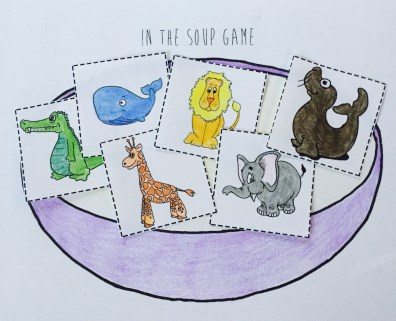
celebrate-picture-books-picture-book-review-animal-soup-game

In the Soup! Game


Play this fun and easy game to fill your bowl with a variety of animals!

Supplies

Directions

  1. Print out the bowl and playing card templates, one of each for every player
  2. Color the cards and bowl if you would like to
  3. Roll the die to see who goes first
  4. Each player takes turn rolling the die to collect animals to fill their bowl:
  • 1 = Elephant
  • 2 = Giraffe
  • 3 = Seal
  • 4 = Lion
  • 5 = Alligator
  • 6 = Whale

The first player to fill their bowl with all six animals is the winner

August 7 – National Lighthouse Day

celebrate-picture-books-picture-book-review-miss-colfax's-light-cover

About the Holiday

Lighthouses have been in use since the earliest days of sea-going vessels. Built to warn sailors of dangerous and damaging rocks and reefs, these sentinels are a picturesque and fascinating part of history. From man—and woman—tended lights to today’s automated systems, lighthouses are a beacon of inspiration and imagination.

Miss Colfax’s Light

Written by Aimée Bissonette | Illustrated by Eileen Ryan Ewen


In 1861 when Harriet Colfax’s brother fell ill and decided to leave Indiana, Harriet had two options: she could leave with him—after all she had come to Indiana with him and worked with him at their newspaper—or she could stay on as the lighthouse keeper of the Michigan City Lighthouse, making $350 a year. Most women might have chosen to leave, but Harriet did not want to give up her independence or leave her best friend, Ann. She took the job as lighthouse keeper even though many in town thought she was too weak or too inexperienced to do the work.

celebrate-picture-books-picture-book-review-miss-colfax's-light-Michigan-city-lighthouse

Image copyright Eileen Ryan Ewen, courtesy of sleepingbearpress.com

Harriet knew the ships on the sometimes wild waters of Lake Michigan—one of the northern United States’ Great Lakes—relied on the lighthouse to keep them from danger. Twice every night she had to carry “whale oil in a bucket up narrow stairs to the top of the lantern tower” to refill the light and then polish the Fresnel lens. During the day, she “cleaned and painted…varnished the woodwork and shined the brass…and wrote notes in her log.”

It didn’t matter if Harriet was tired or sick or if winter storms rocked the shore, Harriet’s work went on. In 1871 a beacon light was installed at the end of the Michigan City east pier. Now in addition to the main lighthouse, Harriet had to keep this signal lit too. To do so required a long walk down a wooden catwalk that jutted far out into the lake. At times the freezing water roiled and splashed over the catwalk, making the walk tricky and dangerous. By this time lard had replaced whale oil as fuel. While it was cheaper and easier to get, it also had to be heated to pour. Sometimes on frigid winter nights “the lard oil hardened in the cold and Harriet had to fight back through the wind to reheat the oil” on her stove.

celebrate-picture-books-picture-book-review-miss-colfax's-light-harriet-adding-oil

Image copyright Eileen Ryan Ewen, courtesy of sleepingbearpress.com

In 1874 the beacon light was moved to the west pier—farther away. Instead of being within walking distance, Harriet now had to “row a small boat across a creek, hike the far shore, and cross a longer catwalk to light the beacon light.” One night in 1886 storms raged as Harriet made her way down the west pier. “Driving sleet covered her coat with ice. Sand from the dunes along the lake pelted Harriet’s face, stinging her cheeks. Her boots slipped and slid on the catwalk.” Only moments after she finished filling the beacon light and stepped off the catwalk, “a deafening screech filled the air” as the beacon tower “ripped from its moorings and crashed into the lake.”

Harriet’s dedication to the Michigan City Lighthouse continued every day and every night for 43 years. People in town came to call the landmark “Miss Colfax’s Light,” and ship captains named it “Old Faithful.” Over the years her vantage point on the tip of the shore allowed Harriet to experience more than stormy seas. She also saw “brilliant sunsets, lunar eclipses, and silent, dancing northern lights. She saw tall-masted schooners with white sails give way to steamships of iron and steel.”

celebrate-picture-books-picture-book-review-miss-colfax's-light-meeting-a-ship-captain

Image copyright Eileen Ryan Ewen, courtesy of sleepingbearpress.com

In 1904, when Harriet was 80 years old, the Michigan City Lighthouse underwent a renovation. It acquired a fog signal, and the oil-burning mechanism was replaced with a steam engine and boilers with huge coal-fired furnaces that required several keepers. Although Harriet was sad to leave her life as a lighthouse keeper behind, she understood. With the same bravery that had brought her to the lighthouse, she opened the door and stepped out to what came next.

The life of Harriet Colfax needs no embellishment to reveal the kind of determination and dedication it took to keep the Michigan City Lighthouse shining. Aimée Bissonette tells this brave woman’s story straightforwardly, focusing on particular moments when her duties were increased or her resolve challenged. Harriet’s personal motto that kept her going: “I can do this” is repeated throughout the book, echoing the revolving beacon that shines continuously on the shore of Lake Michigan. Actual entries from Harriet’s log punctuate the text, lending authenticity and Harriet’s voice to the story.Children will be fascinated by this snapshot of American (and world) history.

celebrate-picture-books-picture-book-review-miss-colfax's-light-harriet

Image copyright Eileen Ryan Ewen, courtesy of sleepingbearpress.com

Eileen Ryan Ewen’s action-filled paintings of Harriet and her work beautifully demonstrate to readers Harriet’s incredible will and perseverance under the most difficult circumstances. The narrow stairs of the lighthouse pose daunting in the middle of the night; the seas of Lake Michigan surge and lap at Harriet and the winds buffet her as she navigates the catwalk; and an exhausted Harriet stands at the stove melting lard to light the lens. Children interested in ships and the sea will find much here to excite their imaginations.

An author’s note about Harriet Colfax follows the text along with a glossary of terms used in the book.

Ages 6 – 9

Sleeping Bear Press, 2016 | ISBN 978-1585369553

Meet Aimée Bissonette and learn more about her books and work on her website!

To view Eileen Ryan Ewen‘s portfolio, sketchbook, and other books, visit her website!

National Lighthouse Day Activity
celebrate-picture-books-picture-book-review-lighthouse-coloring-sheet

Lighthouse Coloring Page


Lighthouses are a striking part of any seashore landscape. Here is a printable Lighthouse Coloring Page for you to decorate!