August 15 – National Back to School Month

About the Holiday

I know, I know . . . it can’t be time to go back to school already! Maybe not quite, but all over the country, teachers, administrators, parents, and…yes, kids…are preparing for the day when school opens again for another year. Now’s the time to find a new backpack, buy some new clothes, and decide that this year is going to be the best year yet! Reading books about beginning a new school year can also help!

Thank you to Abrams Books for Young Readers for sending me a copy of this book to me for review!

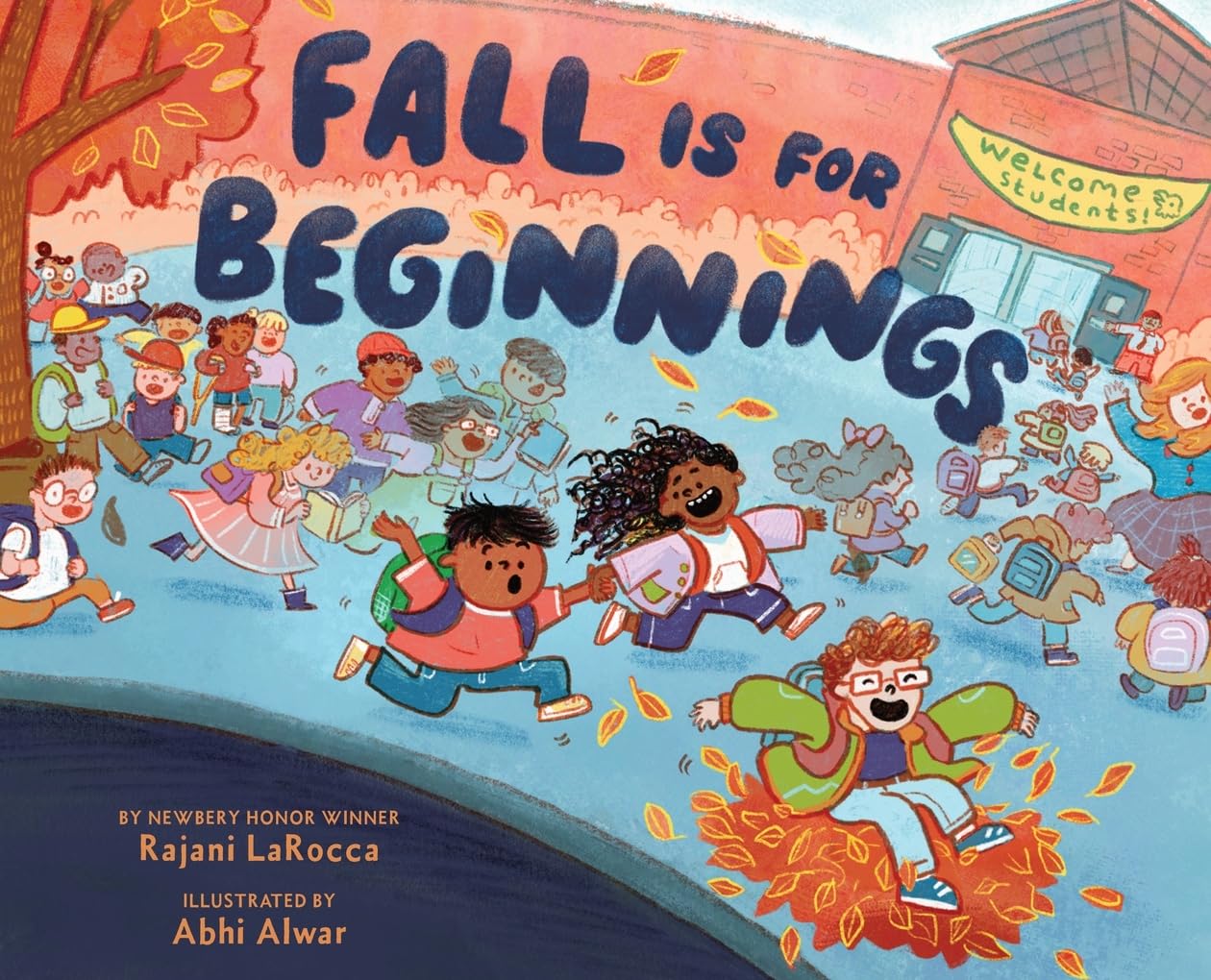
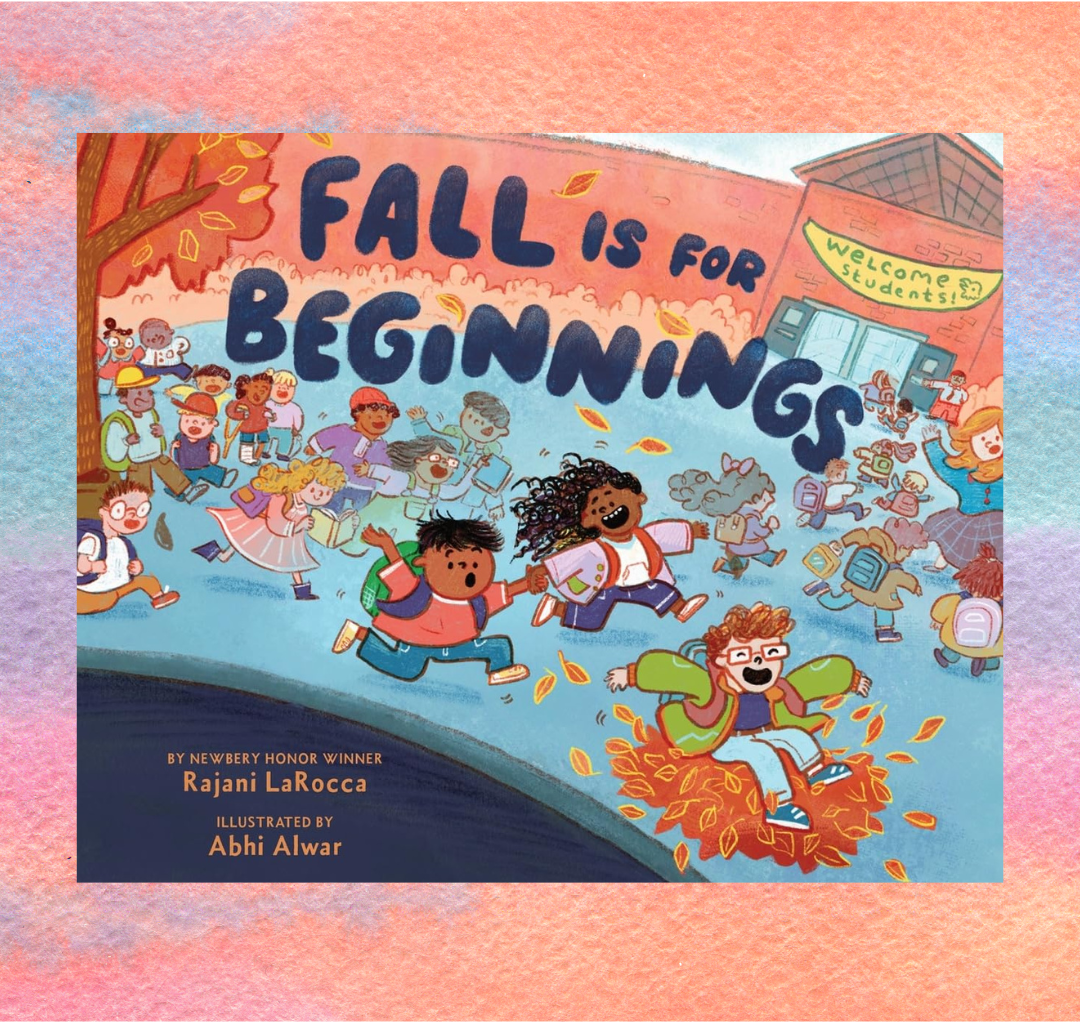
Fall Is for Beginnings

Written by Rajani LaRocca | Illustrated by Abhi Alwar


While Ravi is sad to see summer vacation end, he’s excited to be starting school and seeing his friends, especially his best friend, Joe. They “share jokes, secrets, and sometimes lunch,” at recess they always play together, and—best of all—this year they’ll be in the same classroom.

Ravi and Joe find desks next to each other. Then a new girl, Ellie, sits in the seat next to Ravi. She’s eager and enthusiastic. “‘I just know we’re going to be best friends!'” she tells him. Ravi is taken aback and doesn’t reply. He listens as his teacher explains a project the students will do to celebrate their new accomplishments throughout the year by adding leaves then snowflakes then flowers to a tree of their own.
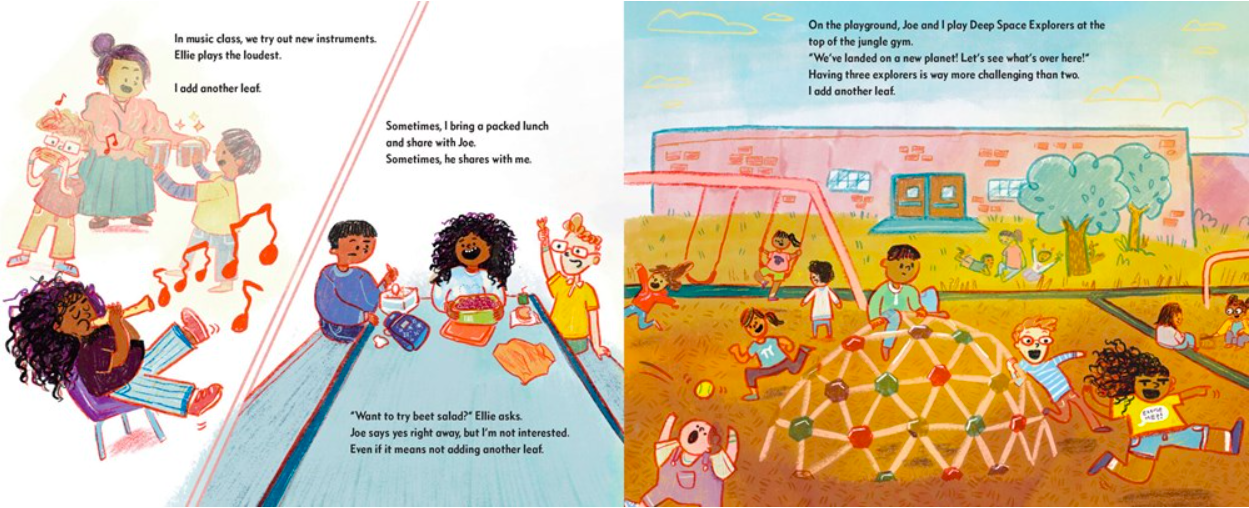
Illustration © 2025 by Abhi Alwar. Text © 2025 by Rajani LaRocca. Courtesy of Abrams Books for Young Readers.

In music class, at lunch, and on the playground, Ellie always joins Ravi and Joe. When they get new instruments, Ellie plays the loudest, she offers tastes of her beet salad (which Joe tries right away, but Ravi does not), and her new suggestions for Ravi and Joe’s Deep Space Explorers playground game make it much more challenging. For some of these new experiences Ravi adds a leaf to his tree.

“Every day, Ellie says, ‘I told you we’d be best friends!'” When Ravi whispers a reassuring “‘But I’m best friends with you'” to Joe, Joe simply shrugs. Every day, Ellie is right in the middle of Ravi and Joe’s favorite fall activities. At the school Halloween party, Ravi dresses as a scoop of ice cream, and Joe is a cone. When Ellie runs up dressed as a bottle of sprinkles because they’re “best friends,” Ravi loses his temper, crying, “‘You are NOT my best friend!'”
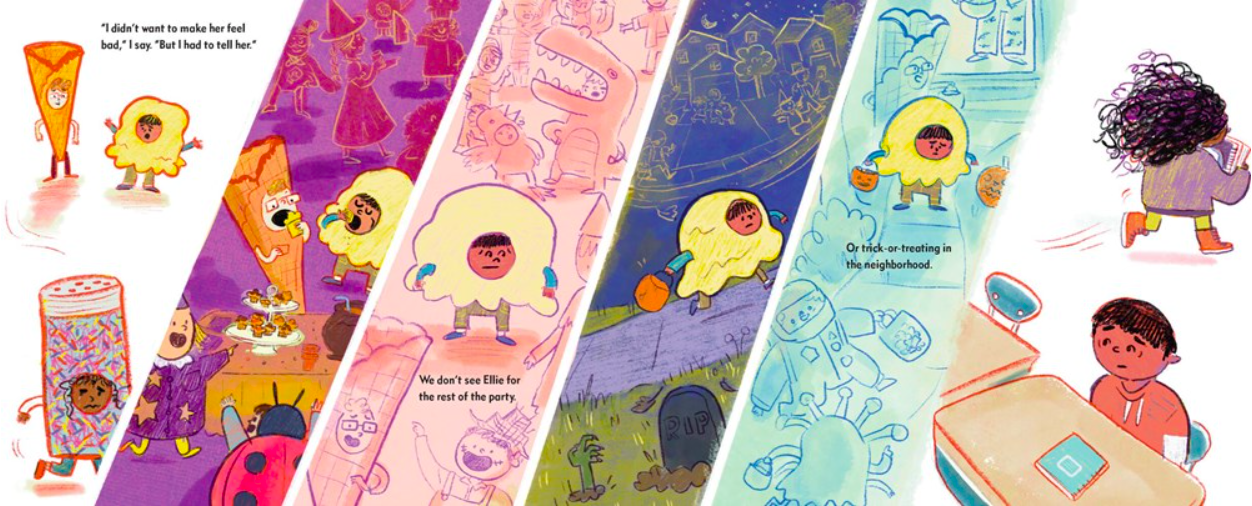
Illustration © 2025 by Abhi Alwar. Text © 2025 by Rajani LaRocca. Courtesy of Abrams Books for Young Readers.

Surprised and hurt, Ellie runs off. She avoids Ravi and Joe during the rest of the party and during trick-or-treating in the neighborhood and moves to another desk in the back of the classroom. At home, Ravi mopes on the couch about how much things have changed since Ellie came. When his older sister hears his complaint, she runs off to get the family photo album. Page by page, she shows Ravi how great it was for her before he was born and how she found him so annoying when he was a baby. But, she says, when she got to know him, “‘Things were even more fun than before.'”

Ravi reconsiders his relationship with Ellie amid all the things they do together. Perhaps, he thinks, “Ellie is already my friend?” The next day at school, he shows a change of heart and lets Ellie take the lead. He has fun on the playground and in music class and discovers that beet salad is delicious. Ravi’s tree is filling with leaves representing all of his new experiences, and he feels proud “because fall is for beginnings and friendship.”
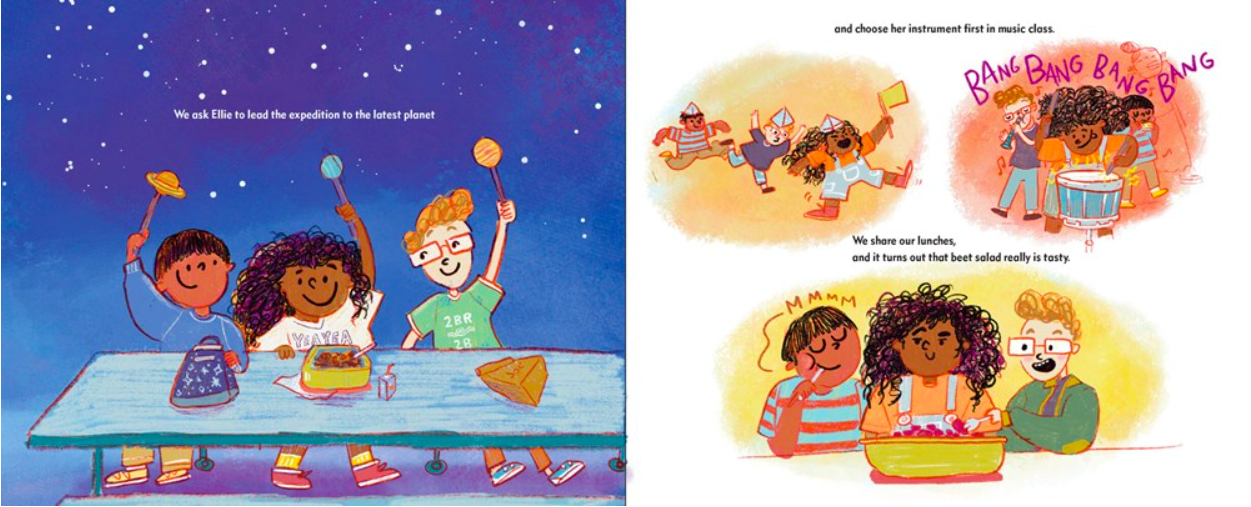
Illustration © 2025 by Abhi Alwar. Text © 2025 by Rajani LaRocca. Courtesy of Abrams Books for Young Readers.

Rajani LaRocca shines a light on an important aspect of new school years, old friendships, and the natural changes that occur as children grow up, meet new people, and venture into the unfamiliar. Candid and relatable, LaRocca’s storytelling gives voice to emotions children may feel (and feel badly about) but are unable to express. Reading and discussing the stages Ravi goes through before finally losing his temper and then afterward can give kids an opportunity to talk about their own experiences as well as their ideas for and what to say when assimilating new friends into an established duo or group. Joe’s early nonchalance about Ellie’s proclamations of friendship reveals how the idea of “best friends” can vary from person to person and change over time.

Abhi Alwar’s vivacious, autumn-hued illustrations depict an active classroom in which even amid the usual raucousness, Ellie stands out with her spunky personality. Always in motion, Ellie kicks her feet, runs and leaps and roars, gives her new besties gifts and tastes from her lunch, and in the process overwhelms Ravi, whose apprehension, eventual anger, and regret show in his expressions. Alwar’s combination of chalky line drawings and full color sketches allow her to emphasize certain important moments while presenting dynamic scenes that kids will have fun exploring.

An impactful book to share with children just starting school or as they move through the grades, Fall is for Beginnings celebrates new friends and experiences, while providing a map through some of the trickier bits. The book is highly recommended for home bookshelves and is a must for classroom and library collections.

Ages 4 – 8

Harry N. Abrams, 2025 | ISBN 978-1419777400

About the Author

Rajani LaRocca is a physician and an author of books for young readers including Summer Is for Cousins, Where Three Oceans Meet, and Red, White, and Whole, which won a Newbery Honor. She was born in Bangalore, India, and immigrated to the United States when she was very young. She now lives in eastern Massachusetts with her family. You can find her online at rajanilarocca.com.

About the Illustrator

Abhi Alwar is an Indian American illustrator and designer based in New York City. She is the illustrator of a number of books for young readers, including Summer Is for Cousins by Rajani LaRocca and the graphic novel series Super Pancake, written by Megan Wagner Lloyd. Visit her at abhialwar.com.
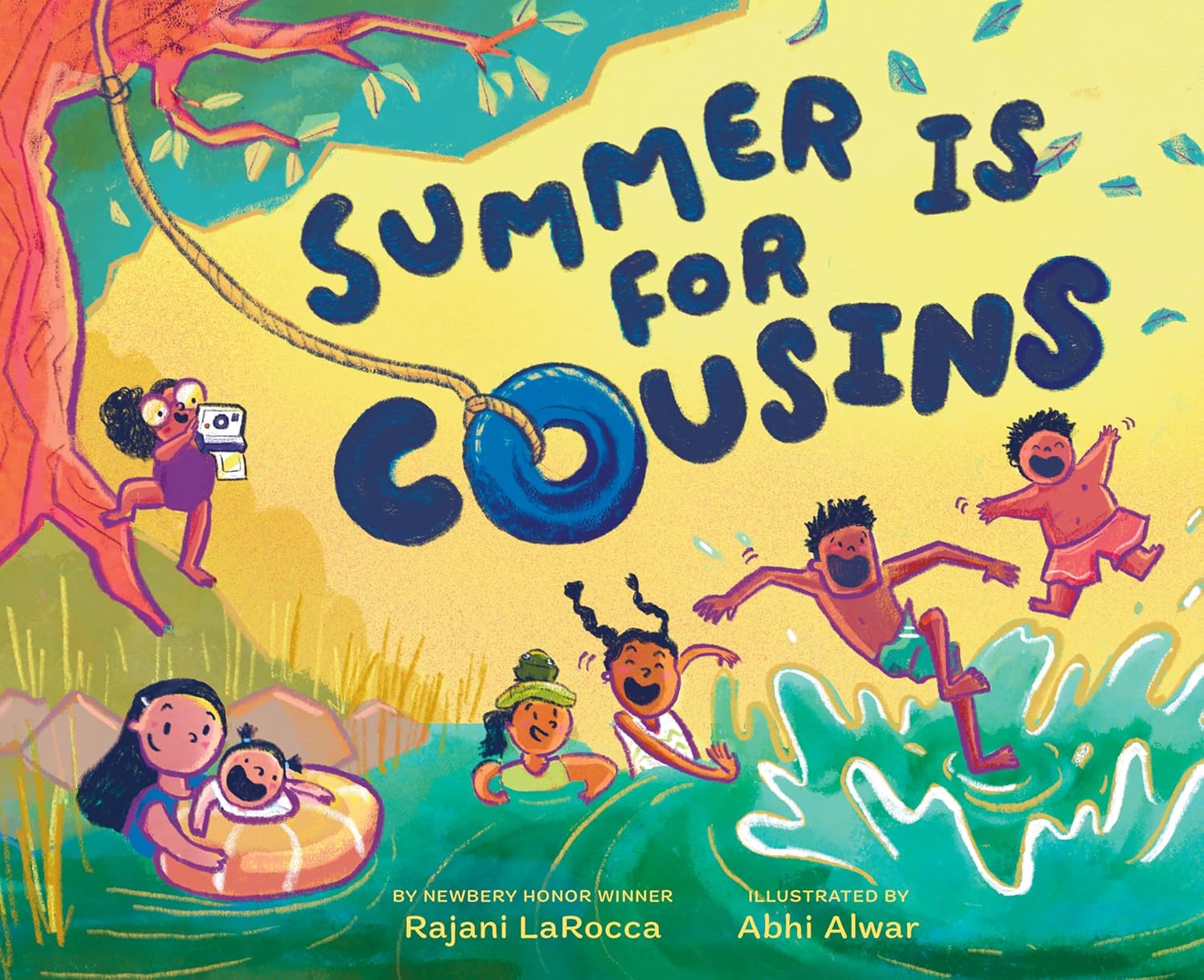
You can see what Ravi’s up to during the summer in Summer Is for Cousins, the first volume of the Seasons Are for Everything series from Rajani LaRocca and Abhi Alwar.

Back to School Month Activity
celebrate-picture-books-picture-book-review-school-bus-craft

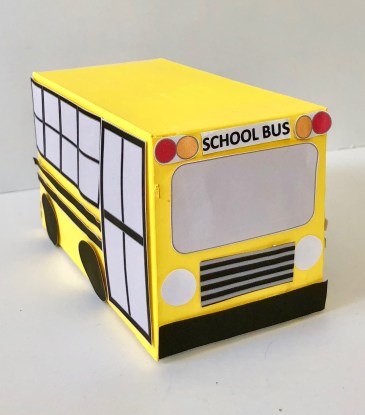
Make Your Own School Bus Craft


With a small tea box or other box, some paint, and the printable template, kids can have fun making a model school bus to play with or display.  The bus can be made as detailed or simple as they’d like. Maybe they’d even like to draw themselves and their friends in the windows!

Supplies

  • Printable School Bus Template
  • Small tea box: 20-bag size (5″ long x 3″ tall x 2 5/8″ deep); or other small box
  • Bright yellow craft paint
  • Scissors
  • Craft glue
  • Paintbrush

Directions

  1. Print 2 copies of the School Bus Template
  2. Carefully take the tea box apart at the seams, invert it, and glue or tape it back together
celebrate-picture-books-picture-book-review-school-bus-craft

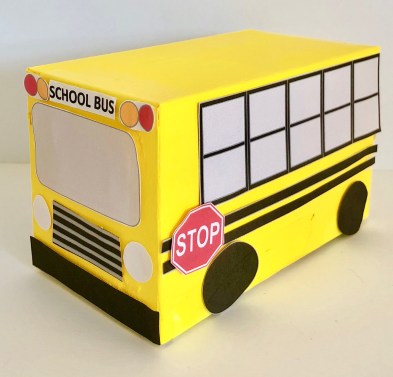
To Make the Passenger Side of the Bus

  1. Cut the Door from the template
  2. Glue the door to the box near the front
  3. Cut out and trim the row of windows from the template
  4. Glue the windows near the top of the box
  5. Cut out and trim two of the solid black lines from the template
  6. Glue the stripes onto the side of the box below the windows
  7. Cut out two tires from the template and glue them to the box

To Make the Front of the Bus

  1. Cut out two of the red and orange paired lights
  2. Glue one on each side of the box near the top with the red light on the outside
  3. Add a School Bus sign between the lights
  4. Cut out the windshield in the lower corner of the template and glue it in place
  5. Cut and trim grill and glue it beneath the windshield
  6. Cut and glue white circles for headlights on either side of the grill
  7. Cut, trim, and glue the wide black strip to the bottom as the bumper.

To Make the Driver’s Side of the Bus

  1. Cut and trim the row of windows from the template
  2. Glue the windows near the top of the box
  3. Cut out and trim two of the solid black lines from the template
  4. Glue the stripes onto the side of the box below the windows
  5. Cut out two tires from the template and glue them to the box
  6. Cut out and glue the Stop sign over the two stripes near the front of the bus
celebrate-picture-books-picture-book-review-school-bus-craft

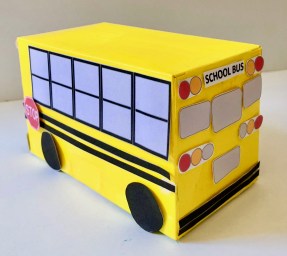
To Make the Back of the Bus

  1. Cut out two of the red and orange paired lights
  2. Glue one on each side of the box near the top with the red light on the outside
  3. Add a School Bus sign between the lights
  4. Cut out the two small rounded corner windows
  5. Glue them underneath the lights close to the edge of the box
  6. Cut out and glue the bigger rounded corner window between the smaller windows
  7. Cut out and glue the yellow, red, and white lights underneath the small windows with the yellow light on the outside
  8. Cut out and glue the black rounded corner window centered beneath the lights
  9. Cut and trim the wide black stripe and glue it near the bottom of the box for the bumper
You can purchase Fall Is for Beginnings from these booksellers

Amazon | Barnes & Noble | Bookshop (discounted books and support for your local independent bookstore)

Picture Book Review

August 4 – Back to School Month

About the Holiday

It may seem like summer vacation just began, but the signs of a new school year are already appearing everywhere. The stores are stocked with clothes, supplies, and plenty of gear to make the new school year the best ever. But all the “stuff” is just part of getting ready for school. Kids are looking forward—eagerly or maybe with a little trepidation—to making new friends, having new teachers, and exploring new subjects and ideas. Preparing kids for all aspects of a new school year easier and more exciting is what National Back to School Month is all about!

Thanks to Orchard Books/Scholastic for sharing a digital copy of this book with me!

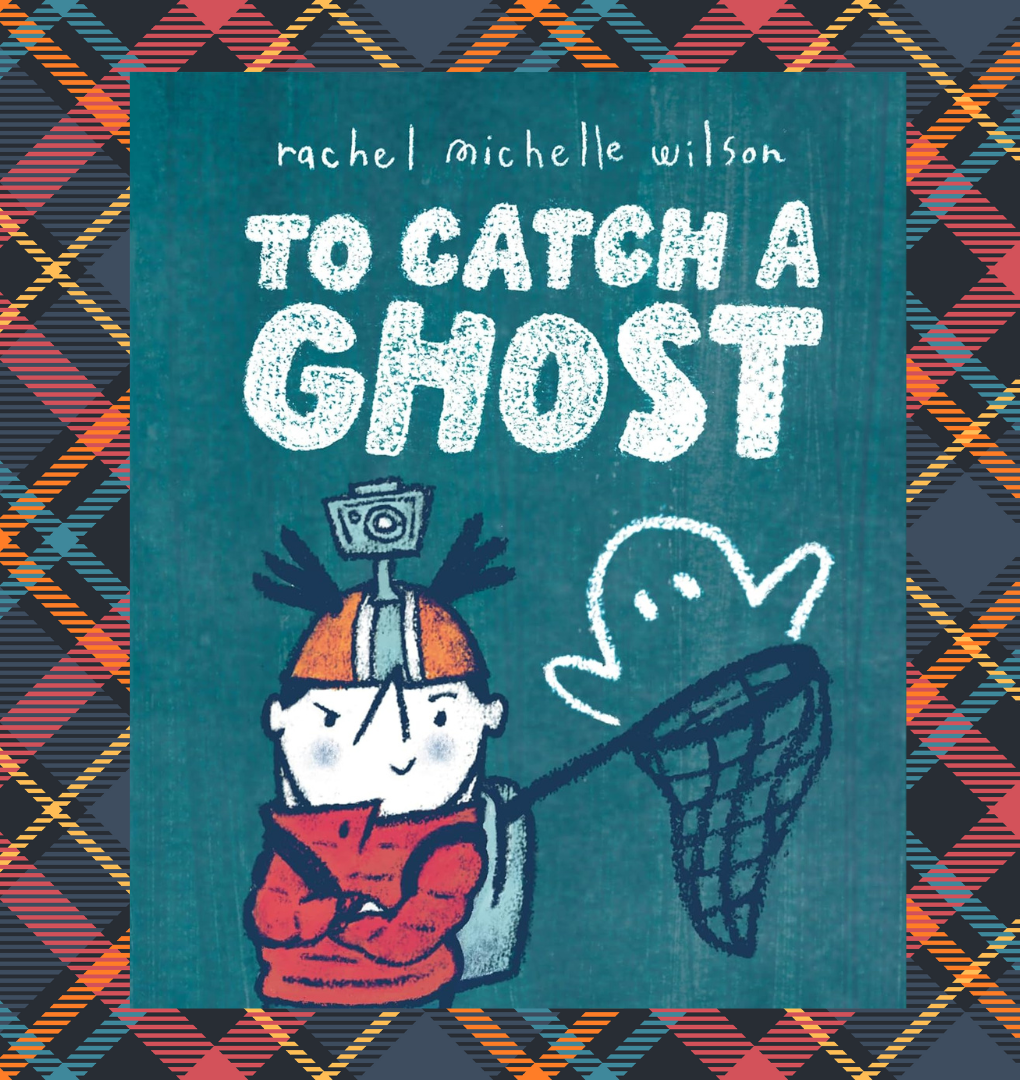
To Catch a Ghost

By Rachel Michelle Wilson


At the bus stop, the new girl is noticed right away by a classmate who quickly introduces her to how seriously the kids take show and tell by using Drew—”the only kid who brought nothing last time”—as a cautionary tale. Sam, determined not to suffer Drew’s fate, first signs up to bring “cool rocks” then her “pet brother” and finally a “GHOST.” Sam acknowledges that catching a ghost takes “gumption,” but she has a plan and creates a primer for anyone else who would like to catch their own ghost.

Text and illustration © 2025 by Rachel Michelle Wilson. Courtesy of Orchard Books.

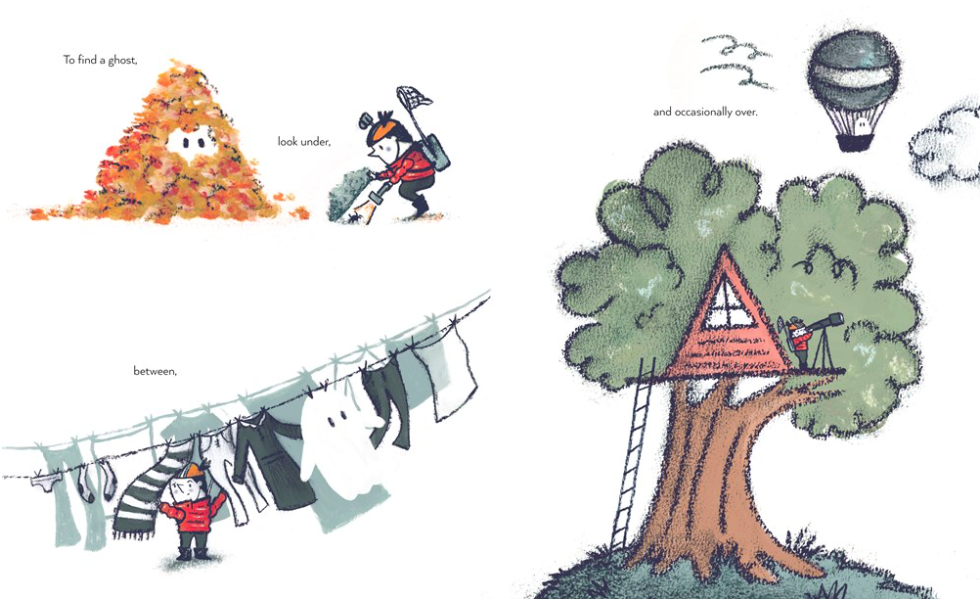
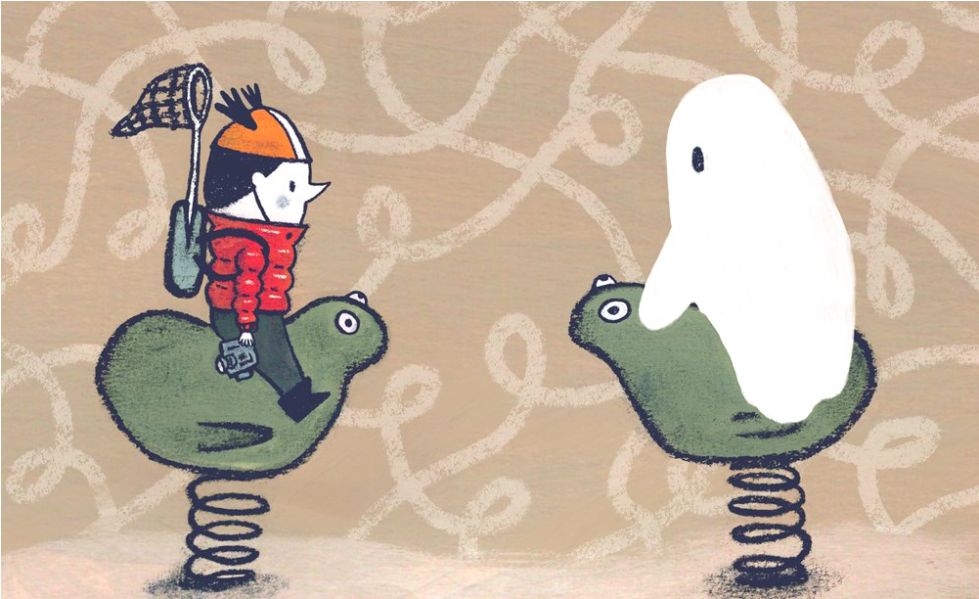
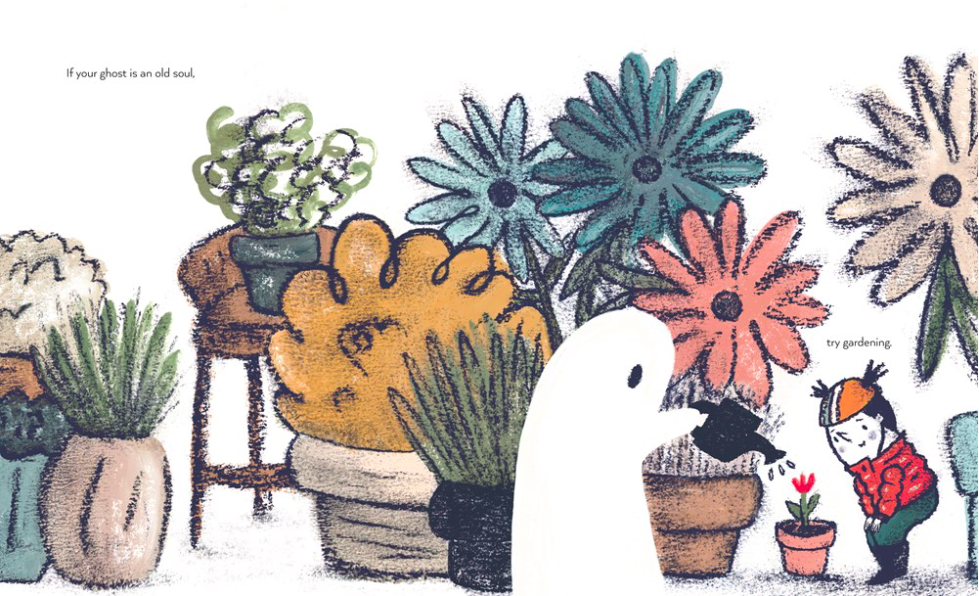
In Part 1: Find, Sam reveals that you must search everywhere and shows how she looked all around at home, in her treehouse, even on the playground—until there, right in front of her, she found her ghost. While finding the ghost was tricky, Part 2: Observe explains that catching it is trickier. Sam explains that the best way to lure a ghost into a trap is to get to know their personality and preferences by spending time with them. When she did this, she says, she discovered a few helpful facts about her mischievous old soul that ultimately led to its capture.

Text and illustration © 2025 by Rachel Michelle Wilson. Courtesy of Orchard Books.

Which brings Sam to Part 3: Catch. She demonstrates how to build “the perfect ghost trap,” how to work quickly and without hesitation when the ghost enters the trap, and posits that “there’s a good reason you need to catch your ghost.” But then the ghost peers through the bars, and Sam has a change of heart. She removes the lock and sheds some tears, knowing she won’t have something extraordinary to share at Show and Tell on Friday. 

But then Sam notices something and realizes what a “good ghost” she had caught. All along it had her back. Show and Tell is a rousing success, and friendships follow—one you might not even see coming!

Text and illustration © 2025 by Rachel Michelle Wilson. Courtesy of Orchard Books.

Inventive and endearing, Rachel Michelle Wilson’s To Catch a Ghost will enchant children, whose imaginations often run to such whimsical fancies in concrete ways. The consequences of a poor Show and Tell performance increase the story’s suspense as well as the magnitude of Sam’s ultimate decision, a twist that can lead to discussions about true friendship, doing the right thing for others, and listening to your heart. With her GoPro ready and her determined expression, Sam is a worthy competitor on the chase but also an empathetic and caring friend that readers will embrace.

Delightfully offbeat with lots of read-again appeal, To Catch a Ghost is a spirited and thoughtful story that’s a top pick for home, school, and library collections.

Ages 4 – 8 

Orchard Books, 2025 | ISBN 978-1339031958

About the Author

Rachel Michelle Wilson is a children’s book author-illustrator with a sweet tooth and a dash of sass. When Rachel is not making books, you can find her paddle boarding across a lake, puzzling over a logic problem, or hosting a living room dance party. Visit her at rachelmichelewilson.com.

Back to School Month Activity

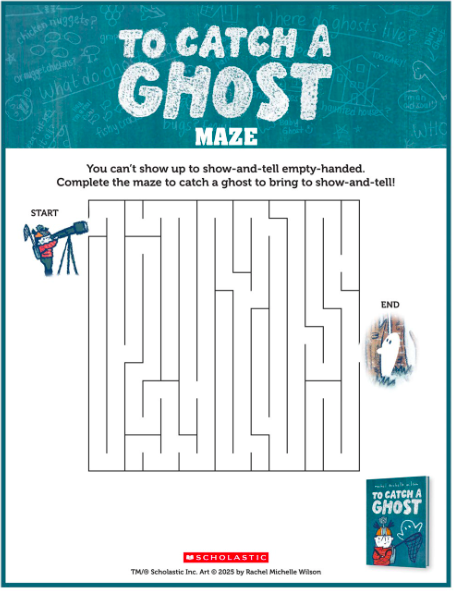
To Catch a Ghost Puzzles and Activity Guide for Teachers and Caregivers


Kids can have fun solving the two puzzles in these To Catch a Ghost Fun Pages while teachers, homeschoolers, librarians, and caregivers will appreciate the full Activity Guide that provides questions and activities based on Bloom’s Taxonomy and follow Common Core Standards. You’ll find printable games like Book Chat Bingo, prompts that help children write their own story, creative drawing and imagining activities, and more. Rachel Michelle Wilson even invites kids to send the story they write to her!

To Catch a Ghost Puzzle Pages | To Catch a Ghost Activity Guide

You can purchase To Catch a Ghost from these booksellers

Amazon | Barnes & Noble | Bookshop (discounted books and support for you local independent bookstore)

Picture Book Reviews

March 25 – National Reading Month

About the Holiday

No matter whether you live in a city, a small town, or a farm, in a house or an apartment, you can travel anywhere through books. The magic of reading lies in its ability to transport readers through history, to far-away places and long-ago times, or perhaps to the future, where all it takes is one’s imagination to make it so. National Reading Month invites readers of all ages to experience the world in new and unfamiliar ways through amazing books like today’s that celebrates the hands-on, individual learning of homeschooling.

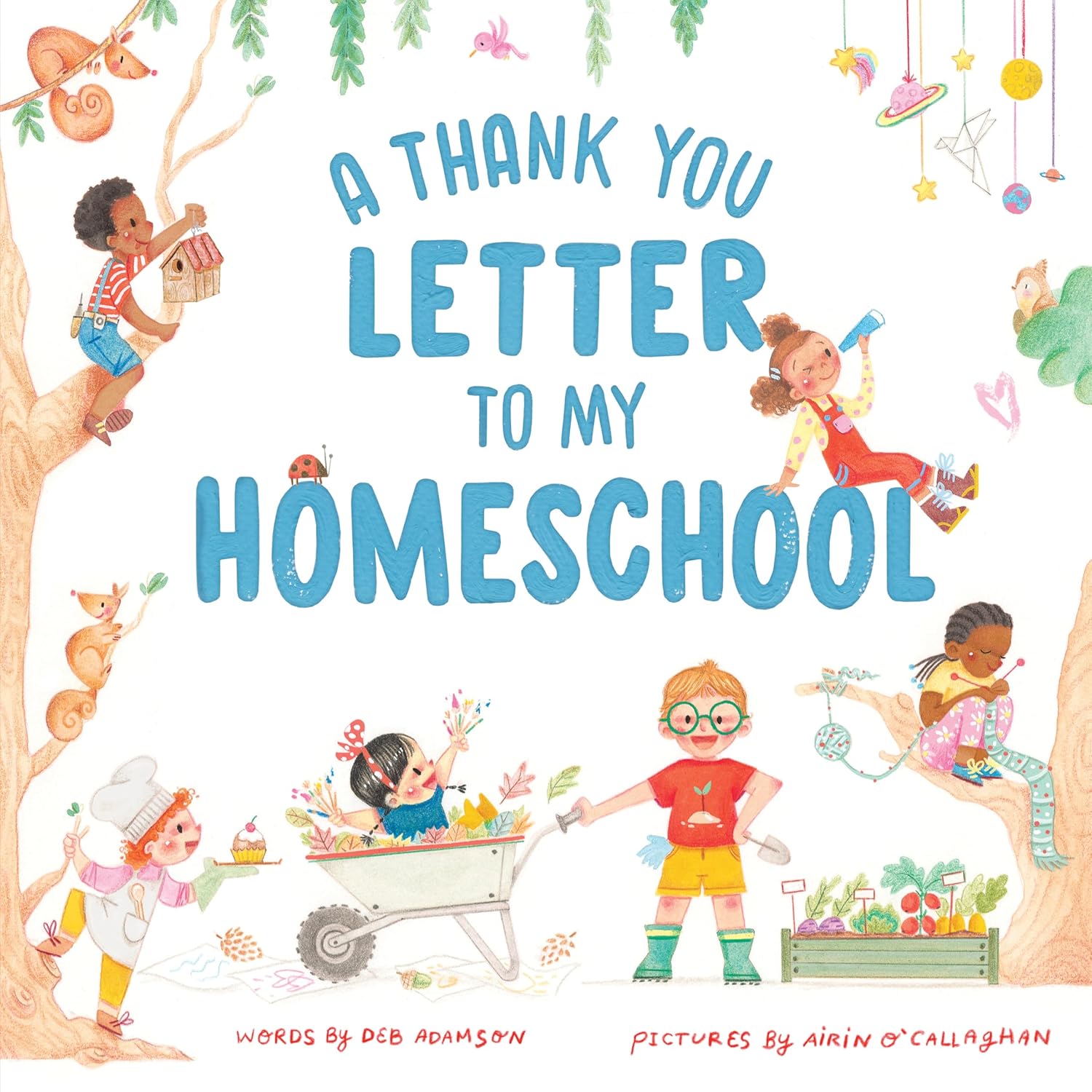
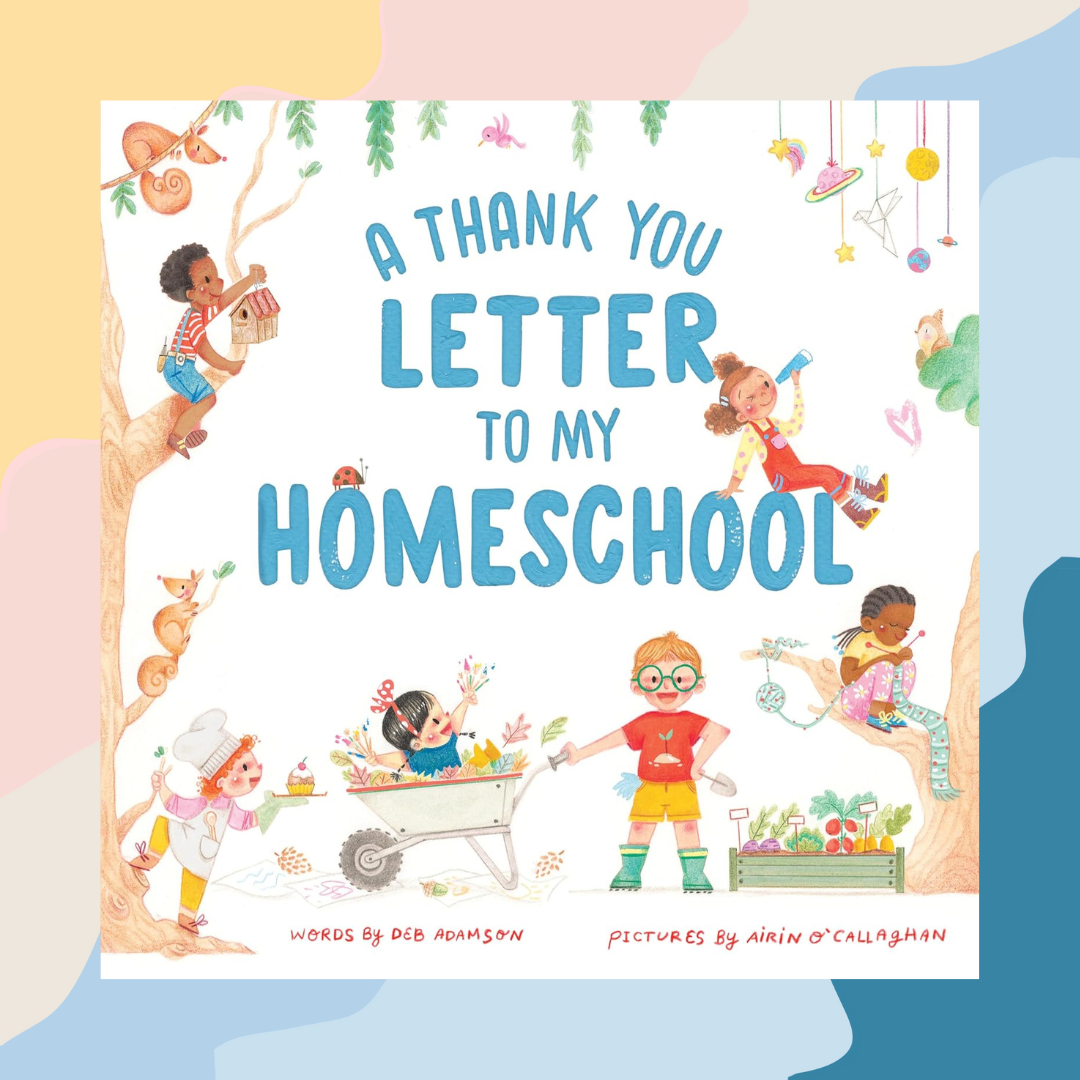
A Thank You Letter to My Homeschool

Written by Deb Adamson | Illustrated by Airin O’Callaghan


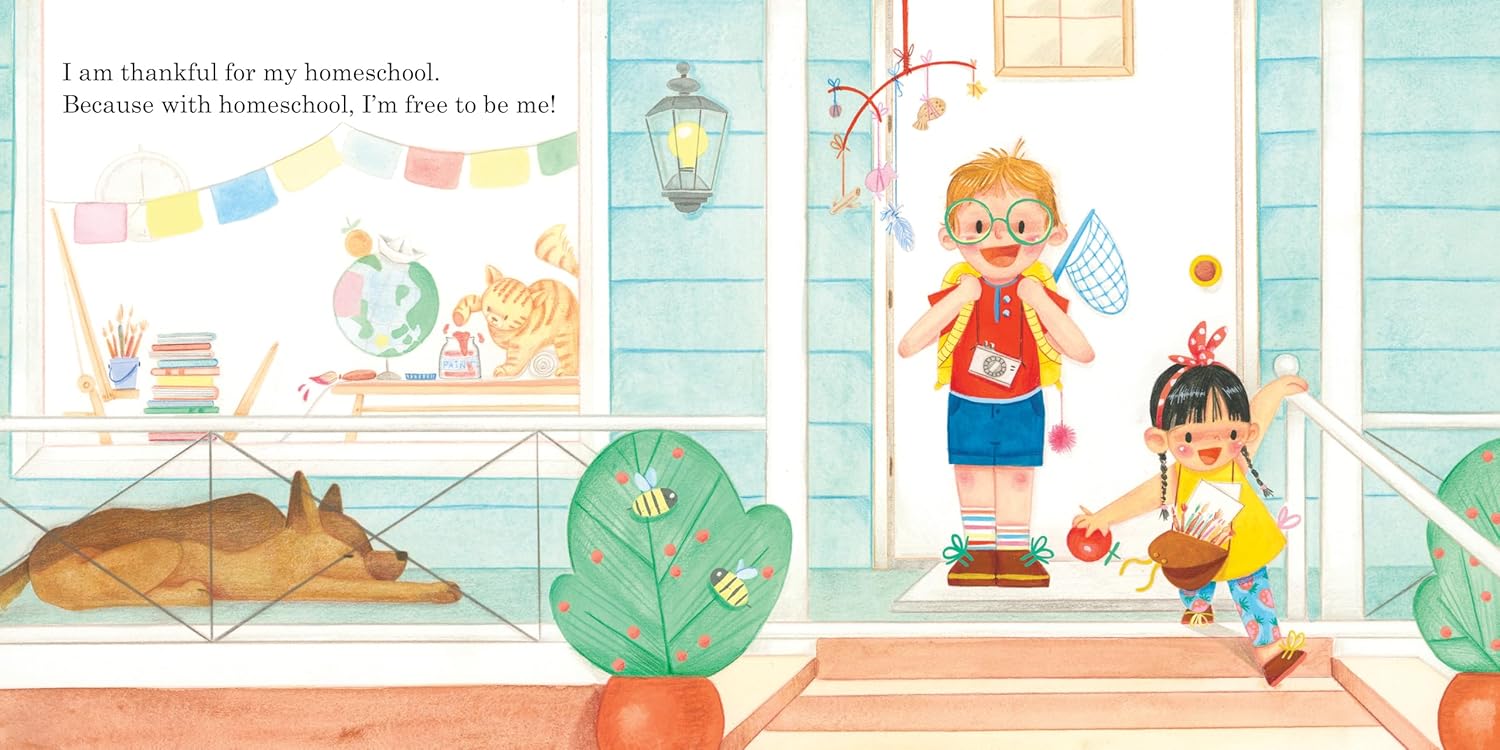
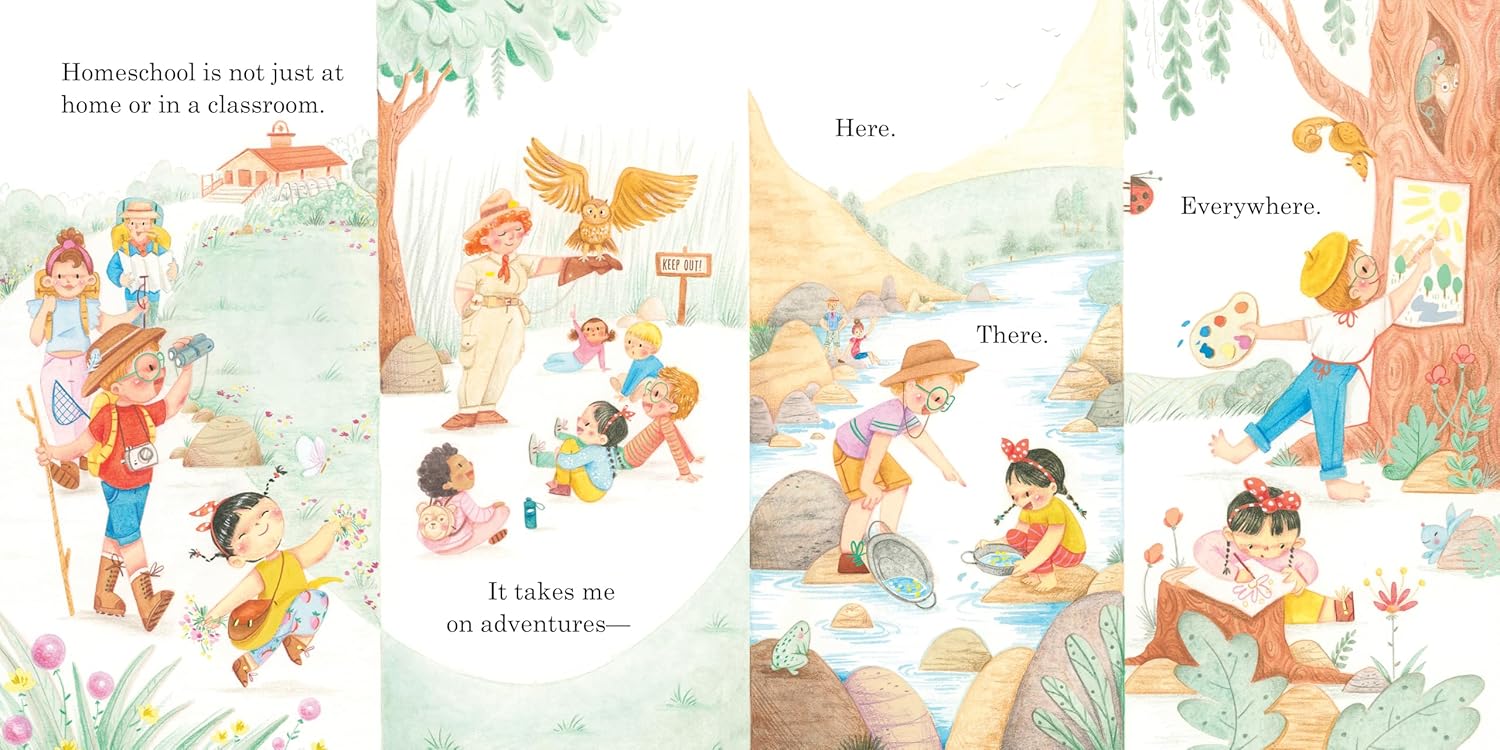
A boy and his little sister stand on their front porch, backpacks on, supplies at the ready, and big grins on their faces. “I’m thankful to my homeschool. Because with homeschool, I’m free to be me!” the boy says. He and his sister are off on an adventure with other kids to a nature preserve, where they learn about owls, pan in a river, and draw what they see.

Illustration © 2025, by Airin O’Callaghan, text © 2025 by Deb Adamson. Courtesy of Sourcebooks Explore.

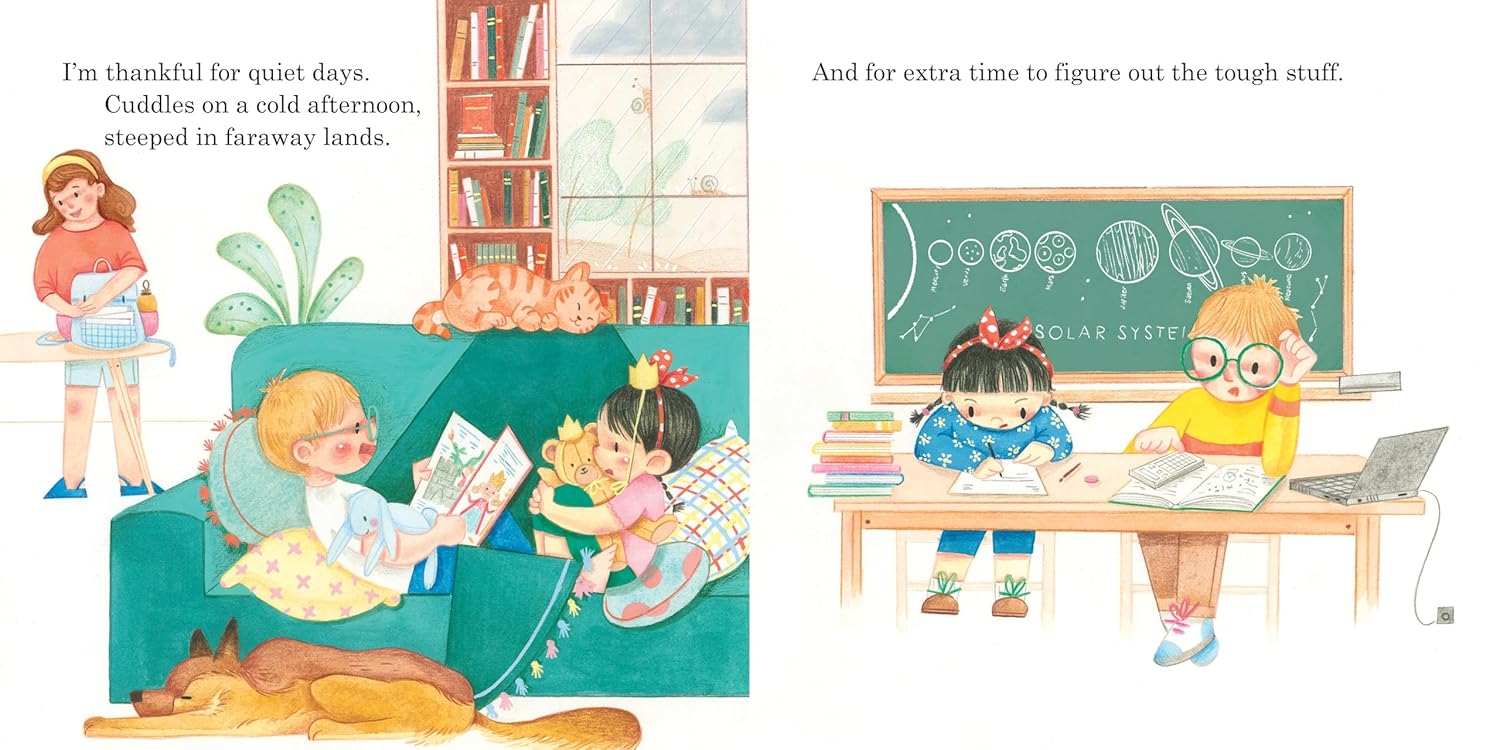
Other road trips have taken them into the city to visit museums, with hands-on experiences; to a farm, where they feed a cow, play with bunnies, and learn about chickens. Remembering other adventures, the boy says he’s “thankful for . . . gazing out from the tip-top of a lighthouse. For standing at the feet of a giant T. Rex.” As much as this student loves his field trips, he also welcomes the days at home when he can read to his sister and study in the way that’s right for him. These days provide “extra time to figure out the tough stuff” and let ideas percolate.

Illustration © 2025, by Airin O’Callaghan, text © 2025 by Deb Adamson. Courtesy of Sourcebooks Explore.

The siblings appreciate how their classroom isn’t just one room but the community garden, where they learn to watch and wonder and wait. They visit the beach, where they collect, count, and sort shells while exploring and learning by seeing living sea creatures; and spend time in a makerspace, where they invent, build, ask questions, and learn new skills. In fact, his classroom can be anywhere he and his sister go.

“I’m thankful that every homeschool day is as different as each snowflake,” he says. “And that I am always free to be me!”

Illustration © 2025, by Airin O’Callaghan, text © 2025 by Deb Adamson. Courtesy of Sourcebooks Explore.

Through the voice of her protagonist, Deb Adamson writes lovingly and enthusiastically about homeschool and all of the benefits this educational model provides for students. She emphasizes the individualized and exploratory nature of homeschooling that takes children into their communities and beyond to learn in a wide range of settings and from a variety of educators and professionals. Adamson also highlights the social aspects of homeschooling and making new friends, be these with others in a network or met along the way.

Airin O’Callaghan’s cheerful, action-packed illustrations buzz with the excitement kids feel when learning in hands-on environments and shine with smiles and curiosity. Every page has so many details for readers to explore and these are sure to spark ideas for projects, field trips, and collaborations for any homeschool family.

A Thank You Letter to My Homeschool is a welcome and vibrant portrait of homeschooling that homeschool families will happily embrace as a favorite read aloud. Those unfamiliar with homeschooling or who may be interested in it will find much to recommend this learning method. The book is a must for public library collections to round out back-to-school and classroom-based offerings.

Ages 4 – 8

Sourcebooks Explore, 2025 | ISBN 978-1464216183

About the Author

Deb Adamson is a former broadcast news journalist, freelance essayist, and syndicated columnist for Gatehouse News Service. Her column about homeschooling her son was read in over 250 print newspapers nationally and online, where it is still available as a resource to homeschool families. Deb writes picture books, board books, chapter books, and middle grade novels in both fiction and nonfiction, and she’s a member of SCBWI. In addition to authoring children’s books, Deb writes for adults and hosts workshops on memoirs, humor, and revision. Deb currently lives on the Connecticut shoreline with her husband. You can follow her on Twitter and Instagram at @DebAdamsonBooks. To learn more, visit debadamson.com.

About the Illustrator

Airin O’Callaghan is an illustrator, muralist and educator who mainly draws for children. Her work includes Some Bodies and The Mermaid With No Tail. She is the founder of Mural Wish, a nonprofit that donates murals for critically ill children. Airin lives in the Bay Area, California, where she finds inspiration in her son and in the beauty nature never fails to show. You can learn more about Airin and her work by visiting airinocallaghan.com.

National Reading Month Activity

A Thank You Letter to My Homeschool Activity Kit


You can show how much you love your homeschool—and go on a scavenger hunt with these A Thank You Letter to My Homeschool Activity Pages!

You can purchase A Thank You Letter to My Homeschool from these booksellers

Amazon | Barnes & Noble | Bookshop (discounted books and support for your local independent bookstore)

Picture Book Review

October 28 – It’s Dyslexia Awareness Month

celebrate-picture-books-picture-book-review-brilliant-bea-cover

About the Holiday

Dyslexia Awareness Month was first held in the UK in 2002 as a small movement of events organized through schools and businesses. In the ensuing years, it has grown to be recognized internationally, with programs, learning events, and public campaigns to bring messages and updates on improved inclusion and accessibility to communities around the world.

Developed in 1877 by German physician Adolph Kussmaul as “word-blindness,” the condition was first identified by German physician Oswald Berkhan in 1881 while studying the case of a young boy with severe issues in learning to read and write despite his high intellectual abilities. The condition was officially named “dyslexia” by ophthalmologist Rudolph Berlin in 1887.

Today, dyslexia affects from 5% to 10% of the world’s population. The theme for Dyslexia Awareness Month 2024 is “Until Everyone Can Read, and puts the focus on the latest research and resources for those with dyslexia and other learning differences as well as special activities for students, families, and communities.

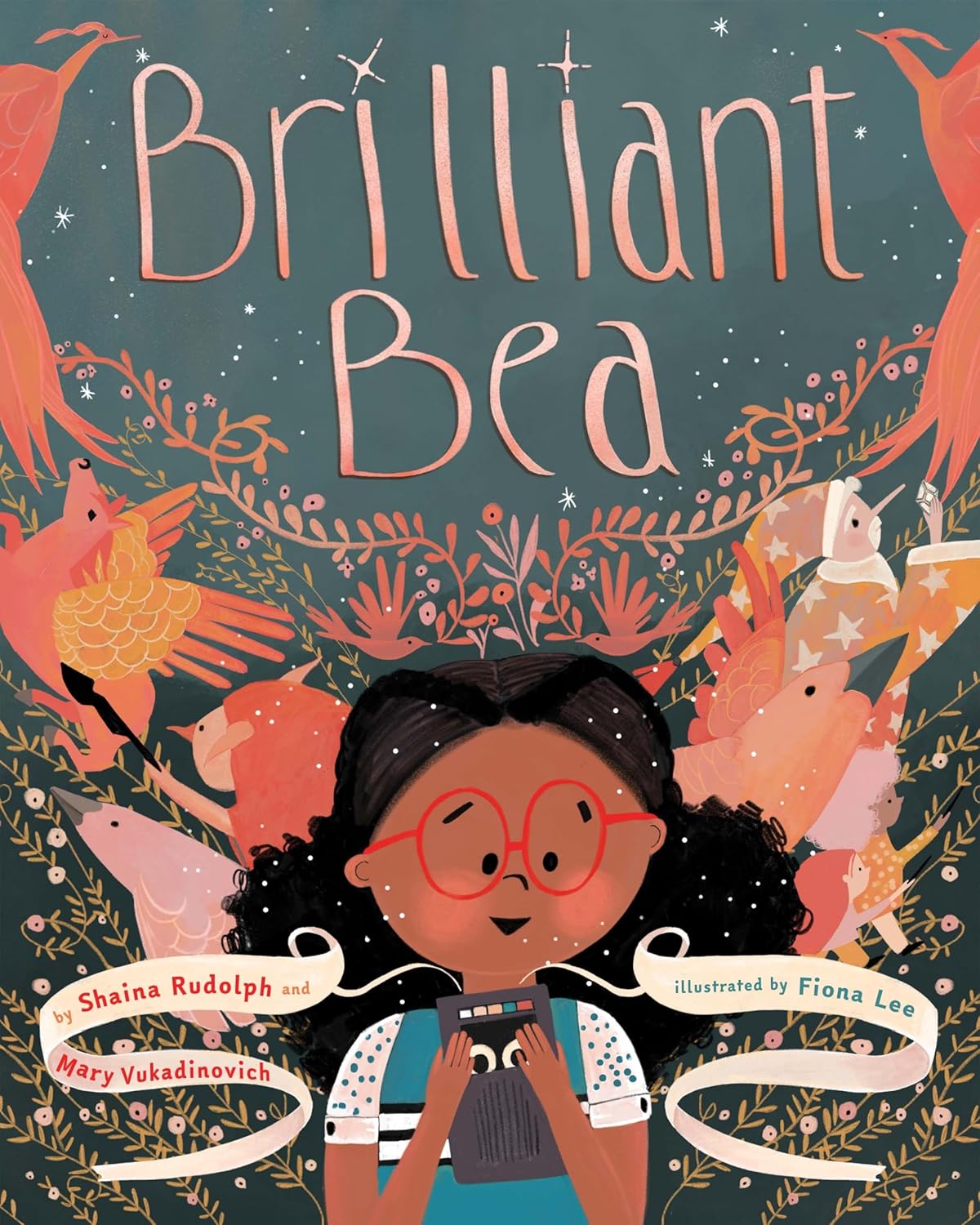
Brilliant Bea: A Story for Kids with Dyslexia and Learning Differences

Written by Shaina Rudolph and Mary Vukadinovich | Illustrated by Fiona Lee


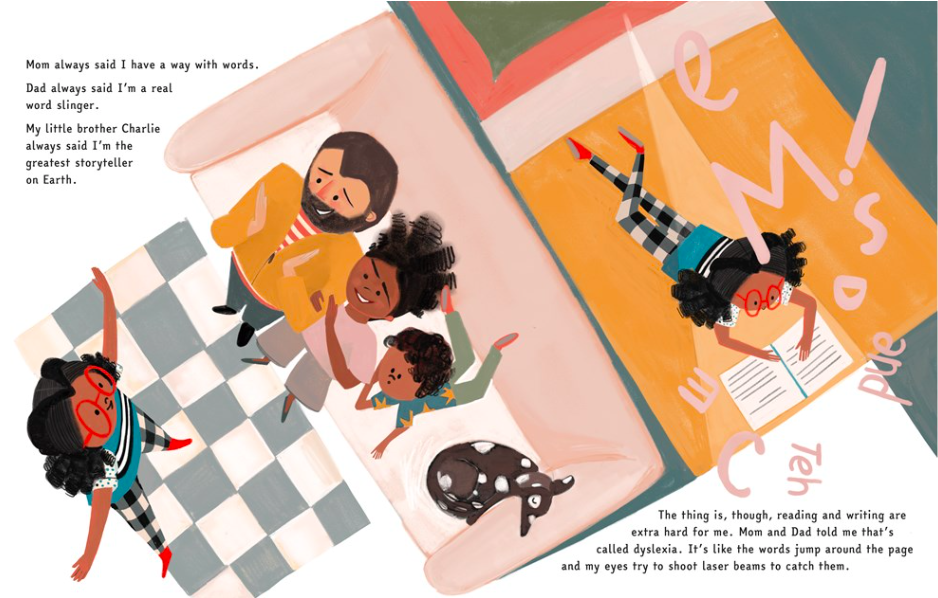
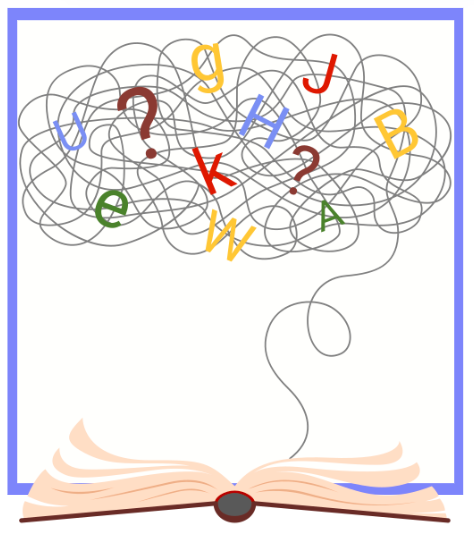
Bea had a big imagination. Her mom said she had “a way with words,” her dad said she was a “real word slinger,” and her brother thought she was “the greatest storyteller on Earth.” But reading and writing were “extra hard” for Bea. As she would describe it “words jump around the page and my eyes try to shoot laser beams to catch them.” Her parents told her it was dyslexia. Another thing Bea knew was that because she couldn’t finish her school work on time, she was stuck in the classroom at recess time—”stucker than stuck. Stuck in Stucksville, population: 1.”

Screen Shot 2024-10-23 at 2.28.03 PM

Image copyright Fiona Lee, 2021; text copyright Shaina Rudolph and Mary Vukadinovich, 2021. Courtesy of Magination Press.

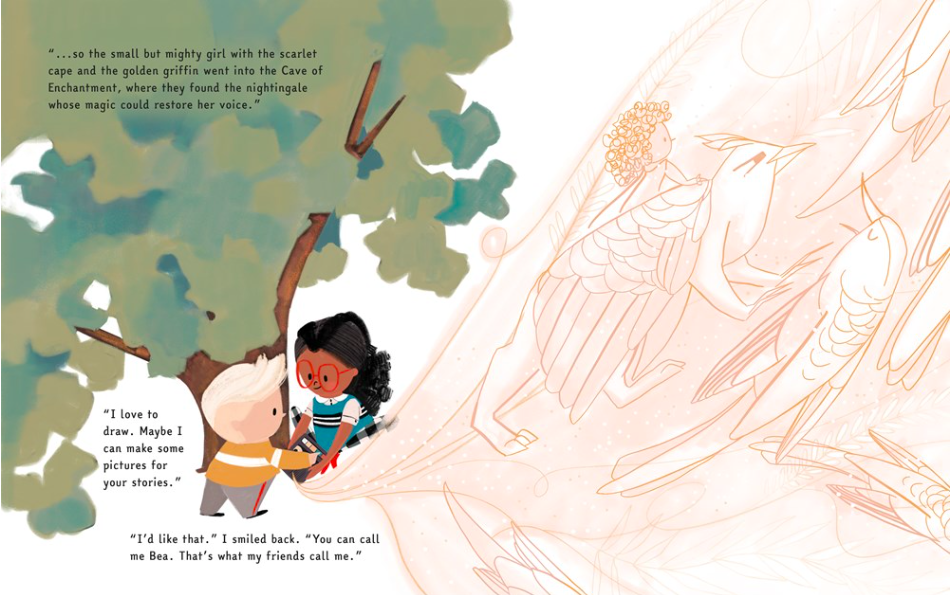
Reading out loud made Bea want to melt into the floor, and when trying to write, she couldn’t get down the words she was thinking. One day her teacher, Ms. Bloom asked if she could read what she had written so far. “I woent let dullying bring me doun,” Ms. Bloom read then asked what “dullying” was. “Bullying,” Bea corrected her. Ms. Bloom smiled and kindly said, “I think you’ve figured it out with your brilliant brain, Beatrice. Bullying is dull.” Bea knew “brilliant” meant “super smart,” and, Ms. Bloom added, “it means bright and radiant.” Walking home that afternoon, Bea’s imagination and self-esteem soared.

Screen Shot 2024-10-23 at 2.26.42 PM

Image copyright Fiona Lee, 2021; text copyright Shaina Rudolph and Mary Vukadinovich, 2021. Courtesy of Magination Press.

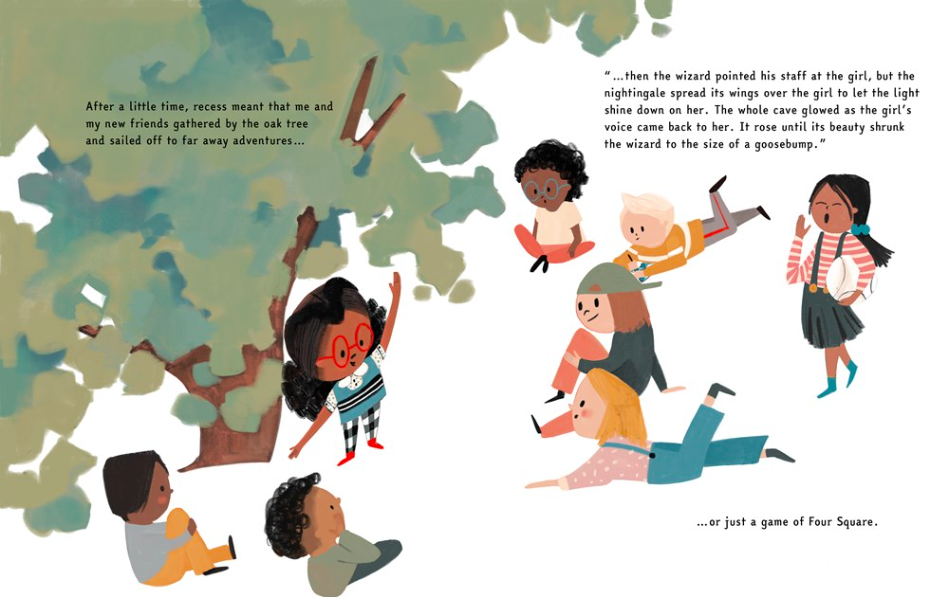
The next day, Ms. Bloom gave Bea a tape recorder. At recess Bea told one of her stories into the recorder. Her words flowed and attracted Rudy, who asked what she was doing. Normally, Bea “would shrivel up and just wish him away,” but today she played her story for him. Rudy offered to draw pictures for her story, and that afternoon, he helped her become “unstuck.”

Screen Shot 2024-10-23 at 2.27.07 PM

Image copyright Fiona Lee, 2021; text copyright Shaina Rudolph and Mary Vukadinovich, 2021. Courtesy of Magination Press.

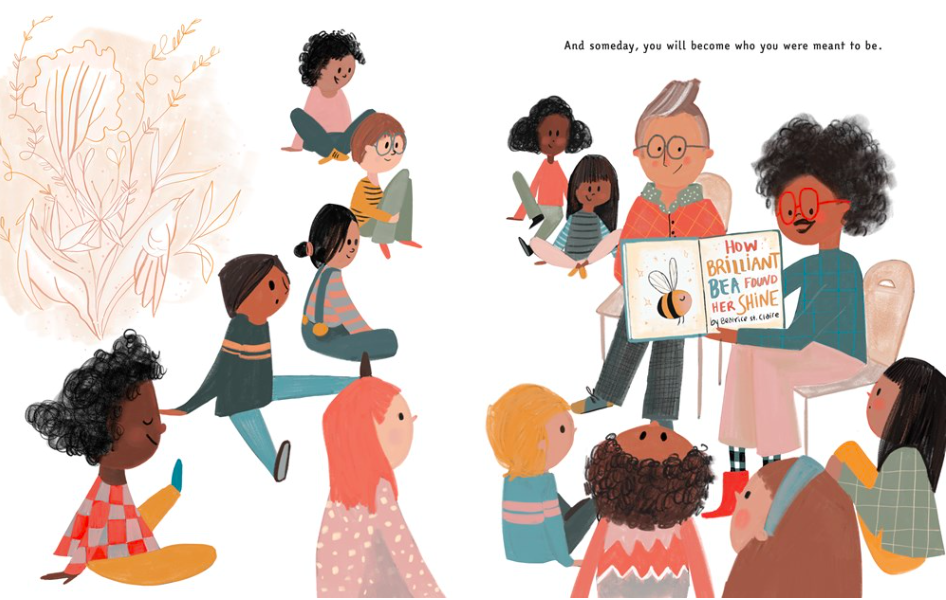
In the coming days and weeks, Bea attracted more friends. Sometimes they sat under the trees at recess to listen as she told her stories and sometimes they played on the playground. Now she wasn’t afraid of learning differently, and she and her best friend even created a comic book that Ms. Bloom copied and gave to all her classmates. And when Bea grew older? She became an author and even returned to Ms. Bloom’s classroom to read her book.

A superb and detailed Reader’s Note by Ellen B. Braatan, PhD, executive director of the Learning and Emotional Assessment Program at Massachusetts General Hospital and associate professor of psychology at Harvard Medical School, follows the story. In it Dr. Braatan outlines the insights into dyslexia that Brilliant Bea highlights, ways in which adults can engage children in conversations about dyslexia, what dyslexia is, and the symptoms of dyslexia, as well as methods of evaluation and treatment, including remediation and accommodation.

Screen Shot 2024-10-23 at 2.27.38 PM

Image copyright Fiona Lee, 2021; text copyright Shaina Rudolph and Mary Vukadinovich, 2021. Courtesy of Magination Press.

This engaging story about one girl’s experience with dyslexia is charming and insightful. Shaina Rudolph and Mary Vukadinovich highlight the difficulties children with dyslexia face with reading and expressing their thoughts in conventional ways as well as the impact their learning difference has on making friends and having the same advantages as their peers during a school day.

Through Bea’s talent for storytelling, Rudolph and Vukadinovich emphasize how dyslexic children (and adults) can excel in a wide range of disciplines, from writing to science to art to music to any field of endeavor because they see things differently. Bea’s teacher, Ms. Bloom, demonstrates how early recognition of dyslexia and other learning differences coupled with understanding, remediation, and accommodation can make school and any environment inclusive and successful for all.

Fiona Lee’s bright and uplifting illustrations use a variety of perspectives to help readers see how those with dyslexia see the world differently. Bea’s imagination and storytelling talent are reflected in the soft sketches that soar from her mind or off her notebook. Her frustration is clear, but so is her resilience and determination to succeed. When her teacher gives her the tape recorder, readers can see how life-changing such a simple and thoughtful act can be.

Young readers will embrace Bea and this story of a sweet, creative, and giving child who also happens to be dyslexic. The story and the back matter provide parents, educators, and other adults a helpful and meaningful way to allow dyslexic children to see themselves in a book as well as to explain this learning difference to classmates, friends, and others.

Brilliant Bea: A Story for Kids with Dyslexia and Learning Differences is a must addition to public and school libraries, pediatricians’ offices, and teachers’ programs. The book is highly recommended for home bookshelves as well.

Ages 4 – 8+

Magination Press, 2021 | ISBN 978-1433837418

About the Authors

Shaina Rudolph is an author of books for children, including All My Stripes and Brilliant Bea. Shaina is also a member of The Society of Children’s Authors and Illustrators. Additionally, she has been an educator for 15 years. Visit Shaina at shainarudolph.com.

Mary Vukadinovich has been working with students with language based learning differences and diverse learning need for the last 17 years. As a reading specialist in Los Angeles, Mary values her opportunities to teach students with unique learning profiles, including dyslexia. Above all, she enjoys watching a child’s confidence grow while learning to love to read. When Mary isn’t teaching or writing, she is reading and telling stories to her own two children.

About the Illustrator

Fiona Lee is inspired by color, strong-willed kids, and the unintentional humor of animals. Working both traditionally and digitally, she captures detail, texture, and life’s small moments. Trained as a Science Illustrator, her clients include Woods Hole Oceanographic Institution, UC Santa Cruz, and more. She lives in Vermont in a tiny house in the middle of a big hayfield.

National Dyslexia Awareness Month Activity

Screen Shot 2024-10-26 at 6.05.42 PM

Watch these Informative Videos

  1. Watch See Dyslexia Differently for a child-focused animated short that gives an overview of how dyslexia affects reading, writing, learning, and everyday activities as well as what strengths kids with dyslexia have, and highlights famous artists, inventors, singers, writers, scientists and more used the way they think differently to change the world.
  2. Listen to a group of young people describe their dyslexia in this video from Learning Ally.
  3. Hear Reading Horizons Dyslexia Specialist, Shantell Berrett describe various ways that dyslexics see words on a page and some remediation and accommodation aids.

celebrate-picture-books-picture-book-review-brilliant-bea-cover

You can purchase Brilliant Bea: A Story for Kids with Dyslexia and Learning Differences at these booksellers

Amazon | Barnes & Noble | Bookshop (to support your local independent bookstore)

Picture Book Review