September 12 – National Day of Encouragement and Interview with Caroline L. Perry


About the Holiday

Today’s holiday was conceived by the Encouragement Foundation at Harding University in Searcy, Arkansas as a day to prompt people to consciously engage in encouraging and inspiring others. On September 12, 2007 Arkansas Governor Mike Beebe signed a proclamation for a “State Day of Encouragement.” President George W. Bush later established September 12 as a National Day of Encouragement. To celebrate today, cheer on your friends, coworkers, and even those you don’t know as they go about their day, attempt to reach goals, or start new endeavors. A pat on the back, a simple “you can do it!,” or a reassuring “great job!” boosts people’s self-confidence and makes the world a happier place. 

Thank you to Scholastic for sending me a copy of Messi’s Magic for review.

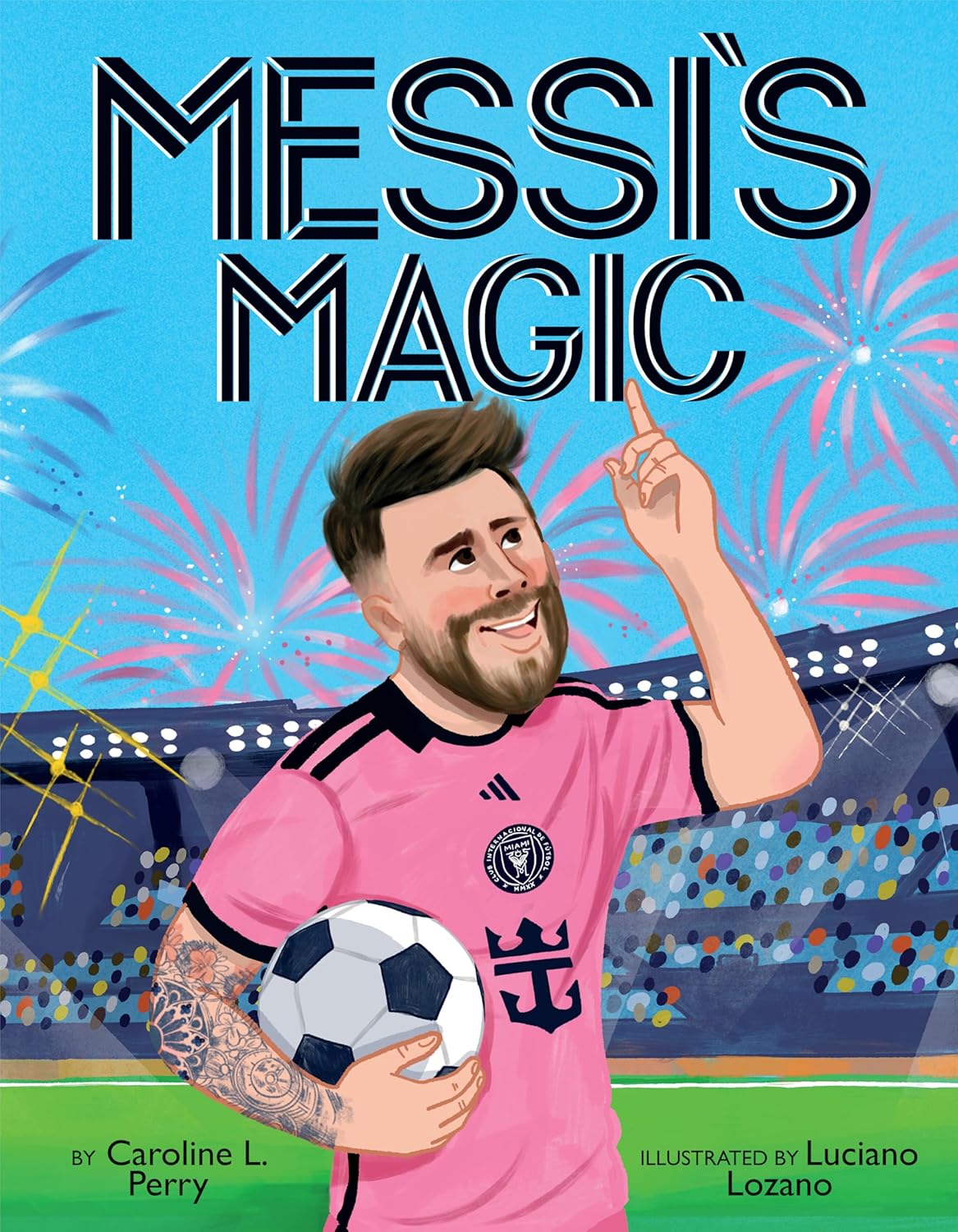
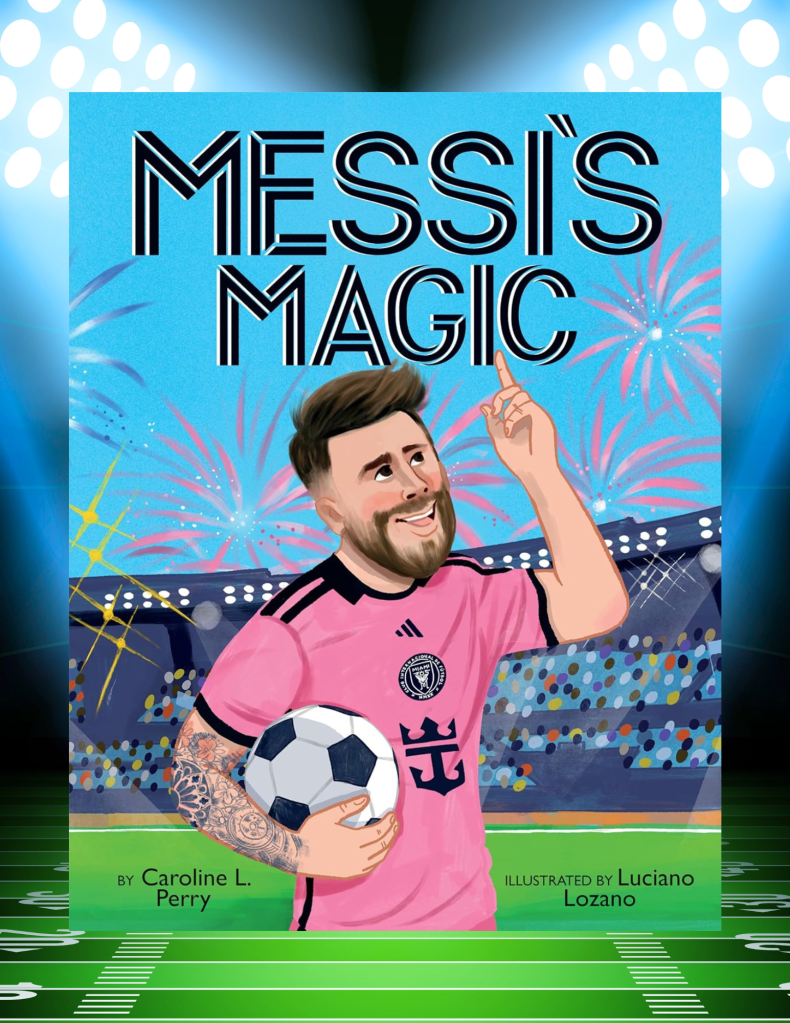
Messi’s Magic: How Lionel Messi Became the G.O.A.T

Written by Caroline L. Perry | Illustrated by Luciano Lozano

Lionel Messi was born in Rosario, Argentina, where no matter what was going on—work or play—”everything stopped for soccer.” Leo’s brothers loved to play soccer in the backyard and Leo joined in “as soon as he could stand.” With his grandma Celia’s support, he joined the neighborhood team when he was only four years old. His first time out, he scored two goals against the older players.
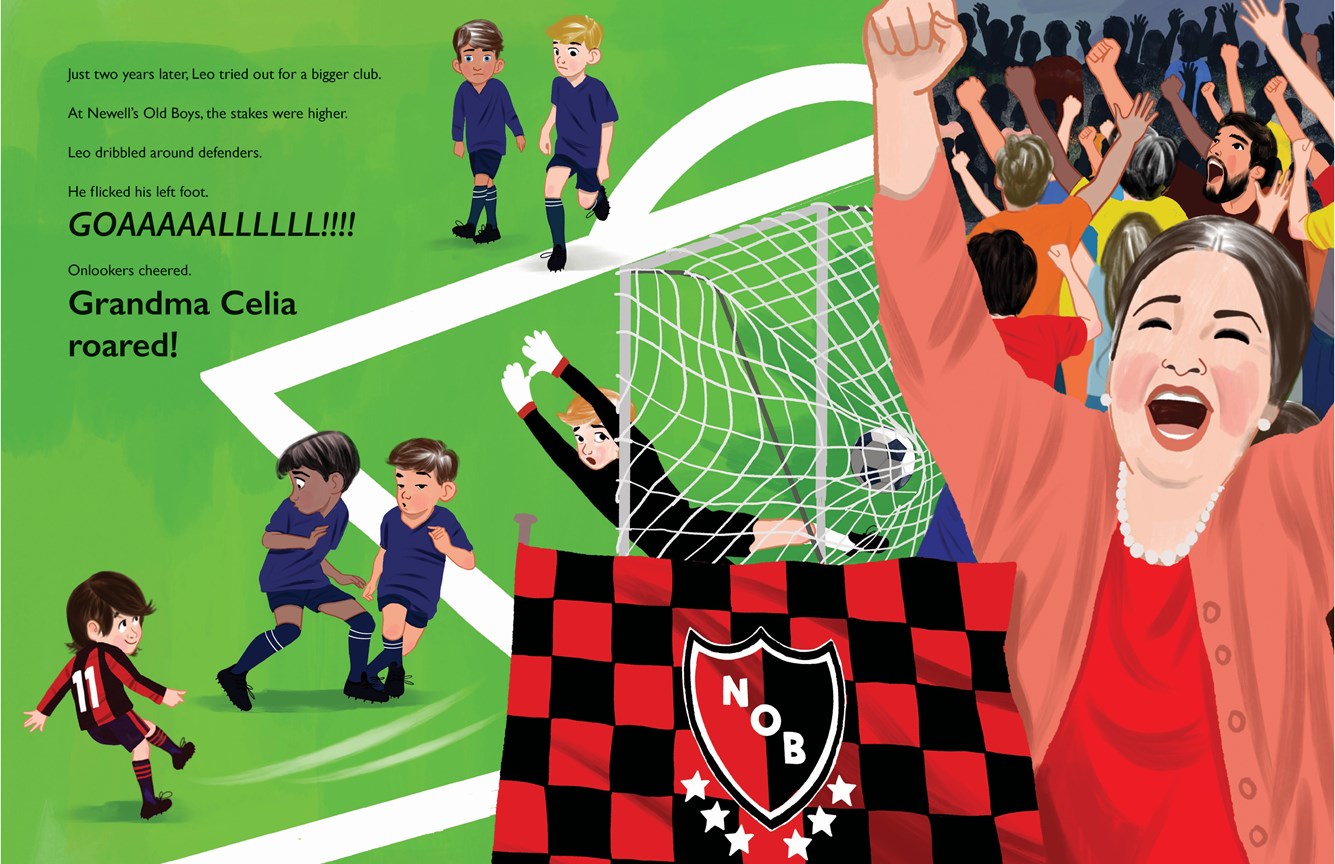
Illustration © 2025 by Luciano Lozano. Text © 2025 by Caroline L. Perry. Courtesy of Scholastic.

At six years old, Leo joined a bigger club. As he grew older, he became a formidable player, spurred on by natural talent and his coach’s chocolate cookies. Over six seasons his skills “became even sweeter” as he scored nearly 500 goals and became the club champion. Then he was rocked by two unexpected events. First, his beloved grandma Celia died. Second, Leo was not growing taller like his teammates. Tests showed that he had a growth hormone disorder. Treatment would be expensive—more than his family could afford. While Leo’s parents worked longer hours, he worked on his skills. His practicing paid off when, at just 13, he was “offered a trial with FC Barcelona, one of Europe’s top soccer clubs.”
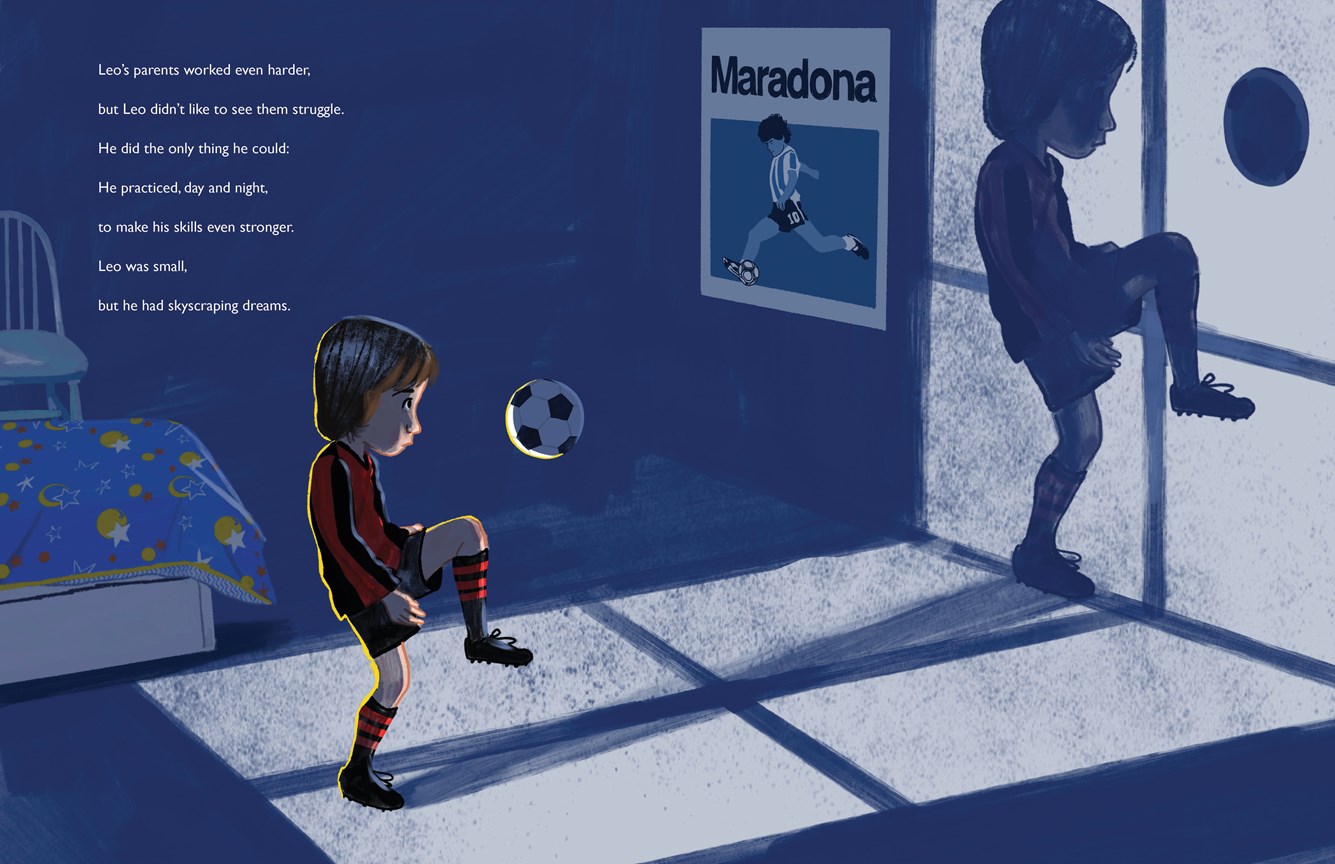
Illustration © 2025 by Luciano Lozano. Text © 2025 by Caroline L. Perry. Courtesy of Scholastic.

Even though he was nervous, “Leo dribbled, danced, and dazzled.” The team signed him right away and agreed to pay for his medical treatment. Far away from home, Leo struggled with his medicine and making friends. But Leo stayed focused, and when game days came he “dashed around defenders . . . set up stunning assists . . . glided past goalies” and made “GOAAAAALLLLLLLLL!!!” after “GOAAAAALLLLLLLLL!!!” At just seventeen, Leo joined FC Barcelona’s first team. 
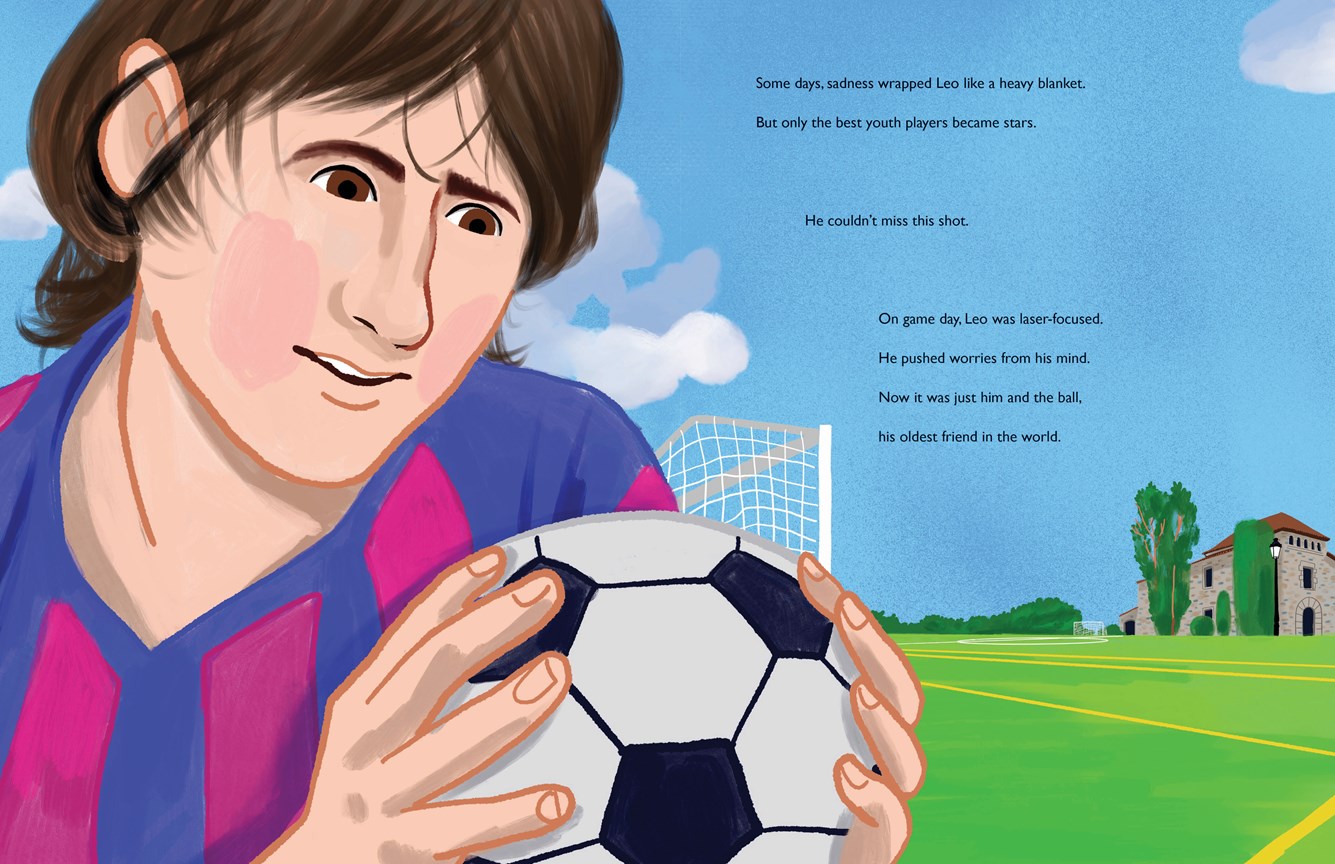
Illustration © 2025 by Luciano Lozano. Text © 2025 by Caroline L. Perry. Courtesy of Scholastic.

Now, his goals were met with the cheers of 90,000 fans, and when the team lost, Leo simply practiced harder. Whenever he made a goal, Leo “pointed two fingers up to the sky, dedicating the goals to Grandma Celia.” Now, Leo has his own soccer-obsessed family, and in Rosario “everything still stops for soccer. Especially when Leo Messi is making magic.”

Back matter includes a timeline of Leo Messi’s life, a list of his professional awards won and records set, more facts about Leo’s life and family, an Author’s Note, and an Artist’s note. 
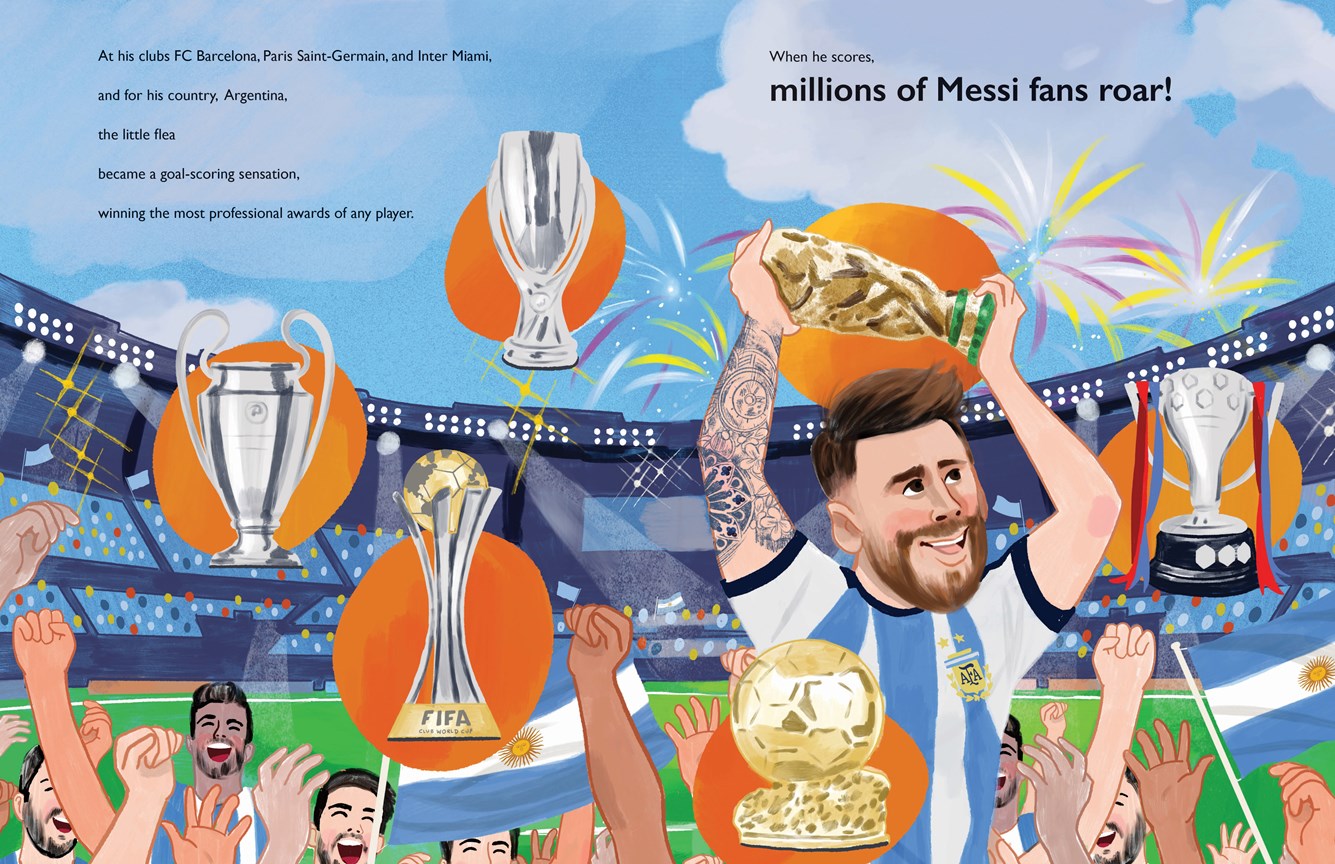
Illustration © 2025 by Luciano Lozano. Text © 2025 by Caroline L. Perry. Courtesy of Scholastic.

In her thrilling biography of Lionel Messi, Caroline L. Perry brings all the excitement of his phenomenal soccer skills as well as his resilience in the face of challenges to young readers. Her lyrical and descriptive storytelling hums with dynamic motion, honest emotions, and the long-held passion that kept Messi focused on his goals and his Goaaallll!s. Children—whether they play and watch soccer or engage in other activities—will find Lionel Messi’s childhood and teenage success fascinating, encouraging, and inspiring. 

Luciano Lozano takes readers from Leo Messi’s backyard soccer field to the big leagues in his vibrant and realistic illustrations that spotlight Messi’s extraordinary talent and the pleasure playing gave him while also sensitively depicting his struggles with loneliness, grief, and his health. In one evocative page spread, Leo’s small stature is contrasted with the enormity of his dreams through an image of him and his shadow. The strong family support Leo enjoyed and now shares with his own children is also highlighted in heartwarming spreads.

Ages 4 – 8

Scholastic, 2025 | ISBN 978-1546179078

About the Illustrator

Luciano Lozano is an award-winning author, illustrator, and graphic artist based in Lionel Messi’s adopted city of Barcelona, Spain. Luciano’s picture books include Boys Dance by John Robert Allman, Ciao Sandro! by Steven Varni, and his very own Diana Dances. A self-taught artist who studied creative illustration in a postgraduate course at EINA University School of Design and Art of Barcelona, he also creates editorial art for newspapers and magazines worldwide. Learn more at lucianolozano.com.

Meet Caroline L. Perry

Caroline L. Perry is the author of the acclaimed picture book The Corgi and the Queen illustrated by Lydia Corry, as well as several forthcoming books for children. A lifelong soccer fan, a youth soccer coach, and mum to three soccer-obsessed kids (who can frequently be found squabbling over goal stats), Caroline also volunteers as a public-school writing instructor. She lives in Southern California with her family. Learn more at carolinelperry.com.

Today I’m chatting with Caroline L. Perry about how her newest book Messi’s Magic: How Lionel Messi became the G.O.A.T came to be, her experiences as a children’s soccer coach, and a few of her favorite small museums.

Hi Caroline! Thanks for taking the time to talk with me today! What most inspired you to write Messi’s Magic?

Since Messi signed with Inter Miami in 2023, he’s inspired young fans in a way we haven’t seen before—I like to joke that he’s the Taylor Swift of the sports world! There are already middle-grade and fact-based books about Messi’s journey, but I wanted to create something for the youngest supporters: a beautifully illustrated tribute that captures the magic of his journey from a small, shy child to the greatest soccer player of all time.

Can you share the book’s journey with readers?

Absolutely! When I write biographies, I use a ‘full immersion’ approach: I read, watch, and absorb everything I can about my subject, always looking for the story’s heart, or its ‘north star.’  Messi’s story is incredible, he overcame loss, serious illness and immense challenges on his path to greatness, and I think that’s really what makes him such a hero. Yes, he’s an exceptional player, but there are also so many elements from his life that young readers can relate to. My editor, Tracy Mack, was the perfect partner for this book, and the Scholastic team have been wonderful to work with. I couldn’t be happier with the way Messi’s Magic turned out!

What was the most surprising thing you learned while researching this book?

There were many fascinating details, but I was most surprised to learn that Messi was a very picky eater as a child, and that his incredible goal-scoring was sometimes encouraged with cookies (as someone with a very sweet tooth myself, this resonated!) I also discovered that Messi’s famous ‘two fingers to the sky’ goal celebration is actually a tribute to his late grandmother Celia, who played a huge role in nurturing his love of the game. I thought this was really beautiful, and it also tells us a lot about Messi’s character.

On your website, you mention that you’ve had fun coaching kids’ soccer. What is it about the game of soccer that would you say makes it a good experience for kids? 
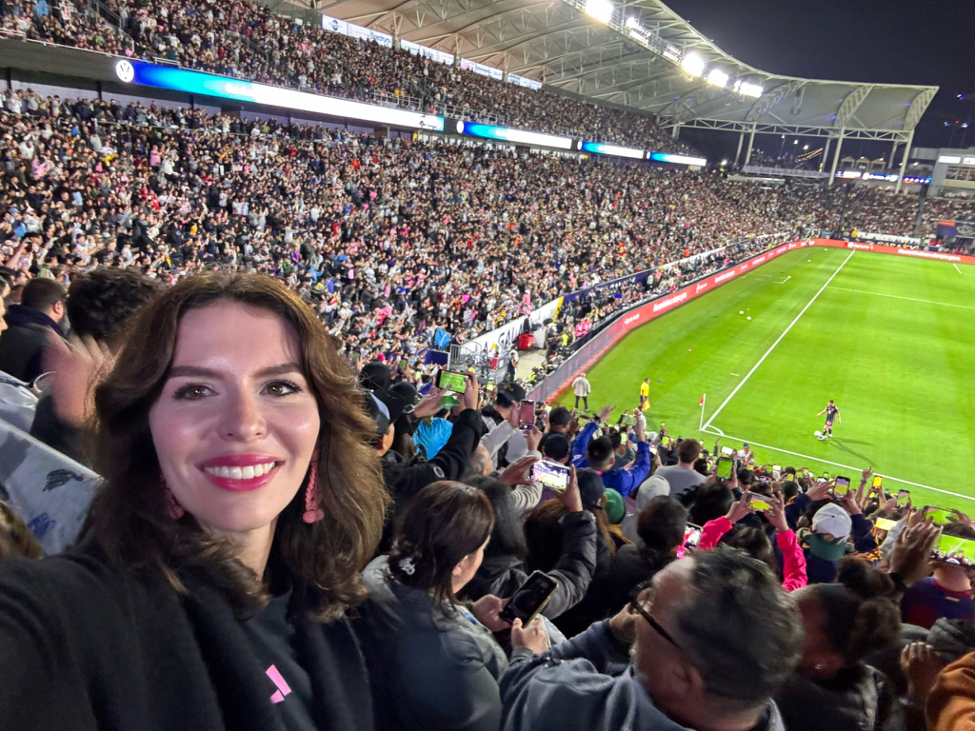
Me at the Inter-Miami vs LA Galaxy game with Leo Messi in the background.

Soccer is a wonderfully democratic sport—you don’t need anything except a ball, some determination and a willingness to learn. As a coach, it’s incredible to watch kids transform: I’ve seen really timid players become fearless defenders, and kids struggling with friendships form unbreakable bonds on the field. I’ve been lucky to witness so many moments of growth, teamwork, and pure elation after a win! Even in the sadder moments (following a loss, for example) magic happens when the team commiserates together.

Luciano Lozano’s realistic and action-packed illustrations really bring readers onto the field and into Leo Messi’s life. Did you get to see sketches along the way or how did the process go?

Yes! I was lucky to see sketches and artwork at various stages, and it was a very collaborative process. Luciano did an incredible job of capturing both Messi’s unique style of play and the electric energy of the stadium and crowd scenes.

Is there a certain spread that’s your favorite? If so, what makes it distinctive for you?

Oh, that’s tough! If I had to pick, it would be the spread showing Messi about to step onto the field at Camp Nou, FC Barcelona’s stadium, in front of 90,000 fans. The art radiates excitement and anticipation, and I love that Luciano included Messi’s contemporaries, Ronaldinho and Eto’o, as part of the scene. I hope young soccer fans will enjoy those details!

In your bio you mention that you love finding out-of-the-way museums. Which one of these museums stands out most in your memory and why?

There are a few! Pollocks Toy Museum in London is tiny, eccentric, and delightful, a real passion project filled with vintage treasures.  Over the summer, I also took my kids to the Royal Pharmaceutical Society’s museum—we were the only visitors, but it was fascinating to see how pharmacy and medicine have evolved over the years. In Stockholm, we stumbled across a small Wooden Horse Museum, and I honestly wanted to take half of the exhibits home with me!

What’s the best thing about being a children’s author?

Honestly, it’s getting to engage with young readers, who are endlessly imaginative, curious, and enthusiastic. Their energy is often contagious and always inspiring!

Since this blog highlights holidays and you’ve lived in and traveled to so many countries, could you share one of your favorite global holidays and what makes it special?
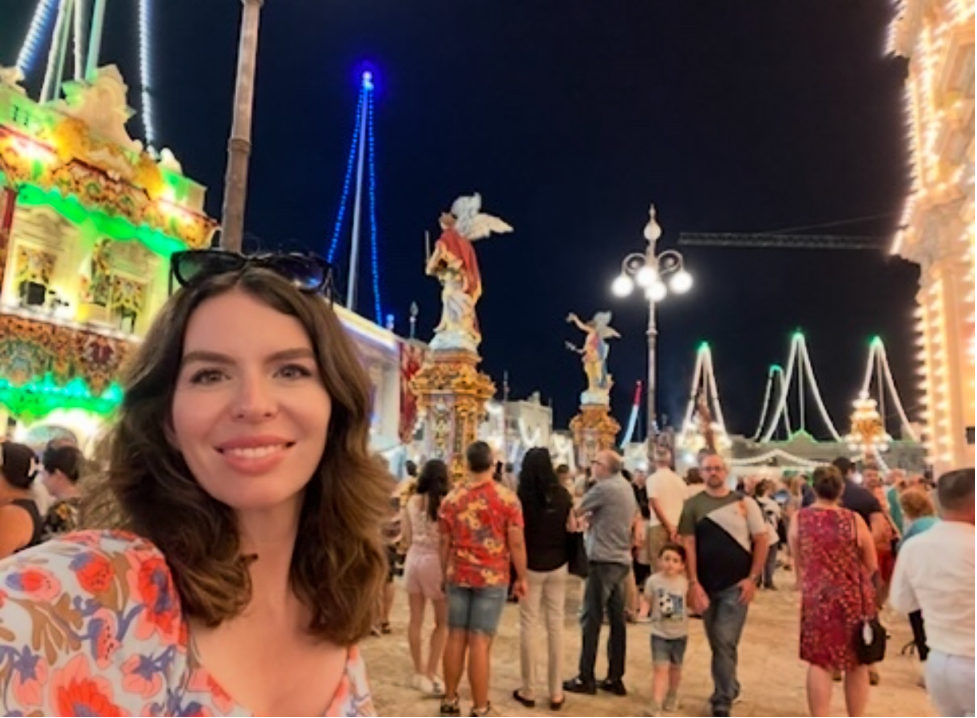
My visit to a festa in Malta.

Malta, the tiny Mediterranean island where my extended family lives, will always hold a special place in my heart. The festas there are absolutely magical—each village celebrates its patron saint with music, fireworks, and food, and the whole community comes together. Malta itself is unique, with more than 7,000 years of history, and it also happens to be the setting for my recently released book, The Memory Cake.

You must have had some amazing adventures! Would you like to share a couple of them with readers?
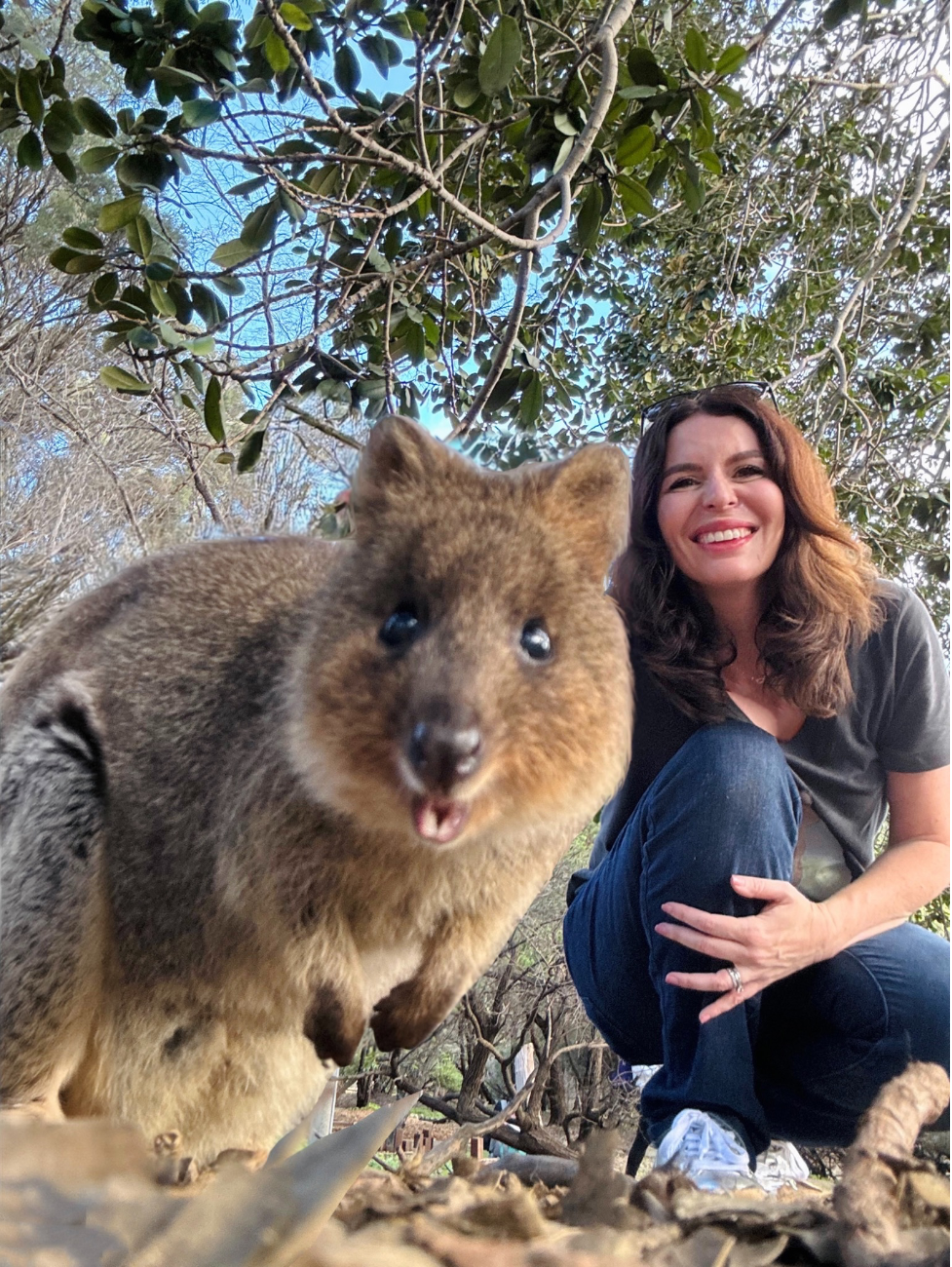
Me and a quokka on Wadjemup/Rottnest Island, Australia.

Another unforgettable experience was visiting Wadjemup/Rottnest Island in Australia, where I had the chance to meet a quokka up close. That really was a dream come true, especially since the main character of my upcoming book, I AM NOT HAPPY!, is a misunderstood marsupial.
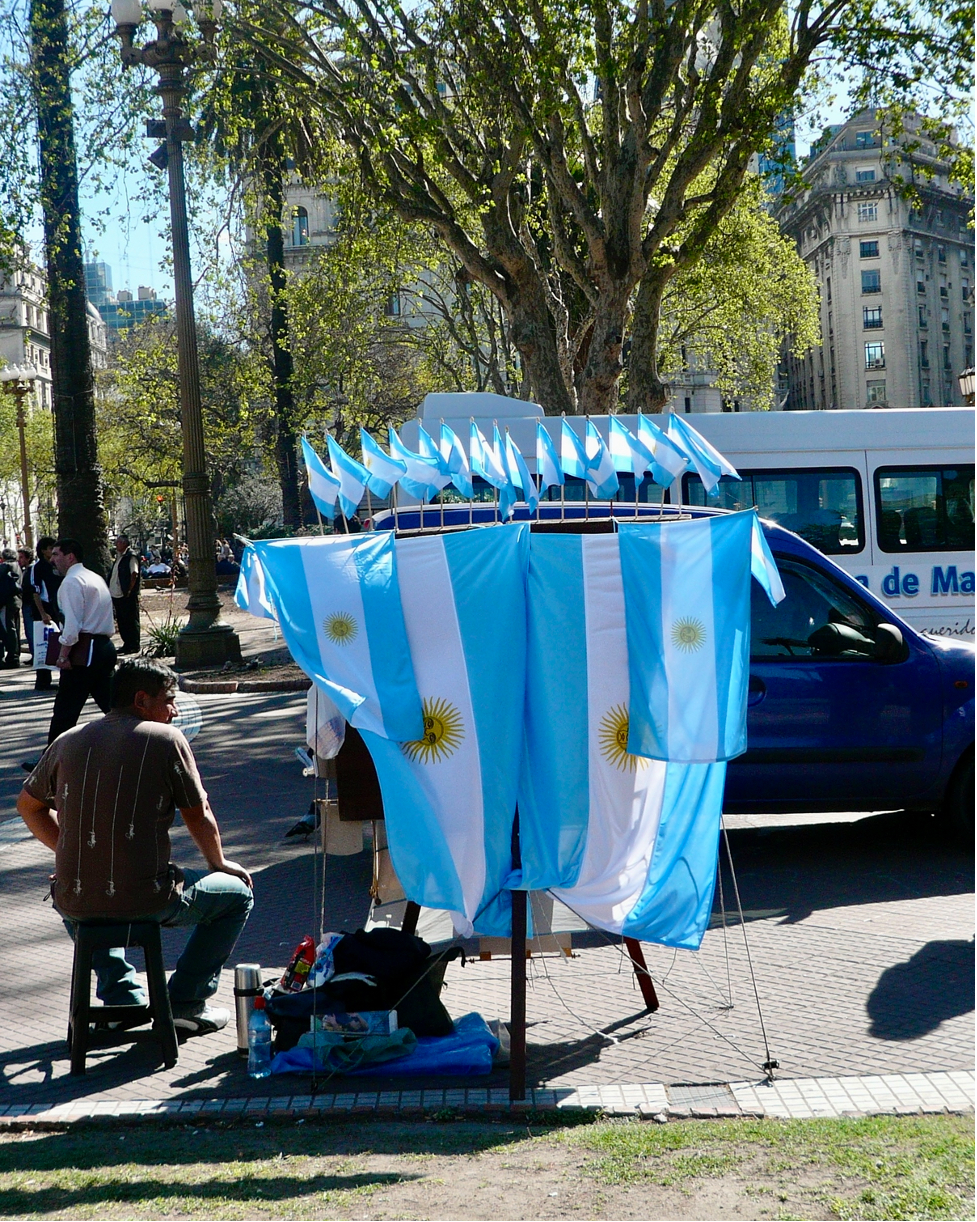
Argentinian flags in Buenos Aires

And then there’s Argentina, Messi’s homeland, where my husband and I honeymooned. I’d love to go back someday, hopefully to experience the joy of watching a fútbol match there. Each of these places has given me not only incredible memories but also inspiration for my writing.

What’s up next for you?

In October, my funny story about a mercurial quokka, I AM NOT HAPPY! (illustrated by Sydney Hanson) comes out with Simon & Schuster. I also have a humorous book scheduled for 2026, along with a few other exciting projects in the works. Plenty to look forward to!

Thank you so much, Caroline for stopping by and sharing so much about Messi’s Magic: How Lionel Messi Became the G.O.A.T.! I wish you all the best with this book! I’m sure kids are eager to read it—and your upcoming books as well!

National Day of Encouragement Activity

Be amazed by Leo Messi’s dazzling footwork in this YouTube video courtesy of Kyliann22Second!
You can purchase Messi’s Magic: How Lionel Messi Became the G.O.A.T from these booksellers

Amazon | Barnes & Noble | Bookshop (discounted books and support for your local, independent bookstore)

November 8 – National STEM/STEAM Day

celebrate-picture-books-picture-book-review-santiago-saw-things-differently-cover

About the Holiday

November 8th is National STEM/STEAM Day. This holiday was founded in 2015, and the date was partially chosen for its secret play on words: “NOV 8” can be read as (in)novate! On this day, we highlight the importance of science, technology, engineering, art, and math in education and society at large. This holiday is also meant to uplift voices and perspectives that are often given less representation in STEAM careers and fields of study.

On this National STEM/STEAM Day we review a biography of Santiago Ramón y Cajal, Father of Neuroscience. Despite many people discouraging him along his journey Ramón y Cajal found ways to merge his love for art and observation with his scientific background to create new and important discoveries. 

Reviewed by Dorothy Levine

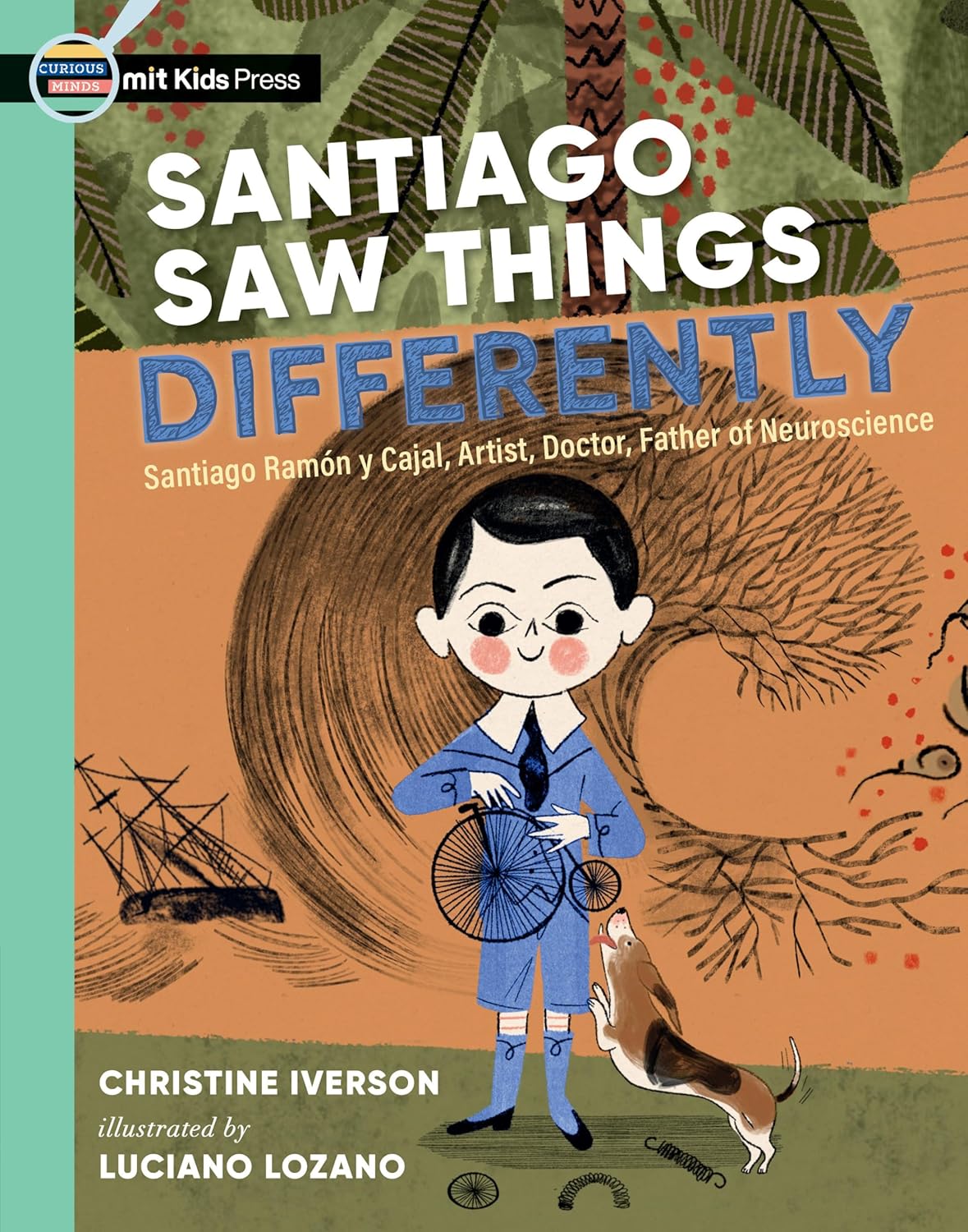
Santiago Saw Things Differently: Santiago Ramón y Cajal, Artist, Doctor, Father of Neuroscience

Written by Christine Iverson | Illustrated by Luciano Lozano


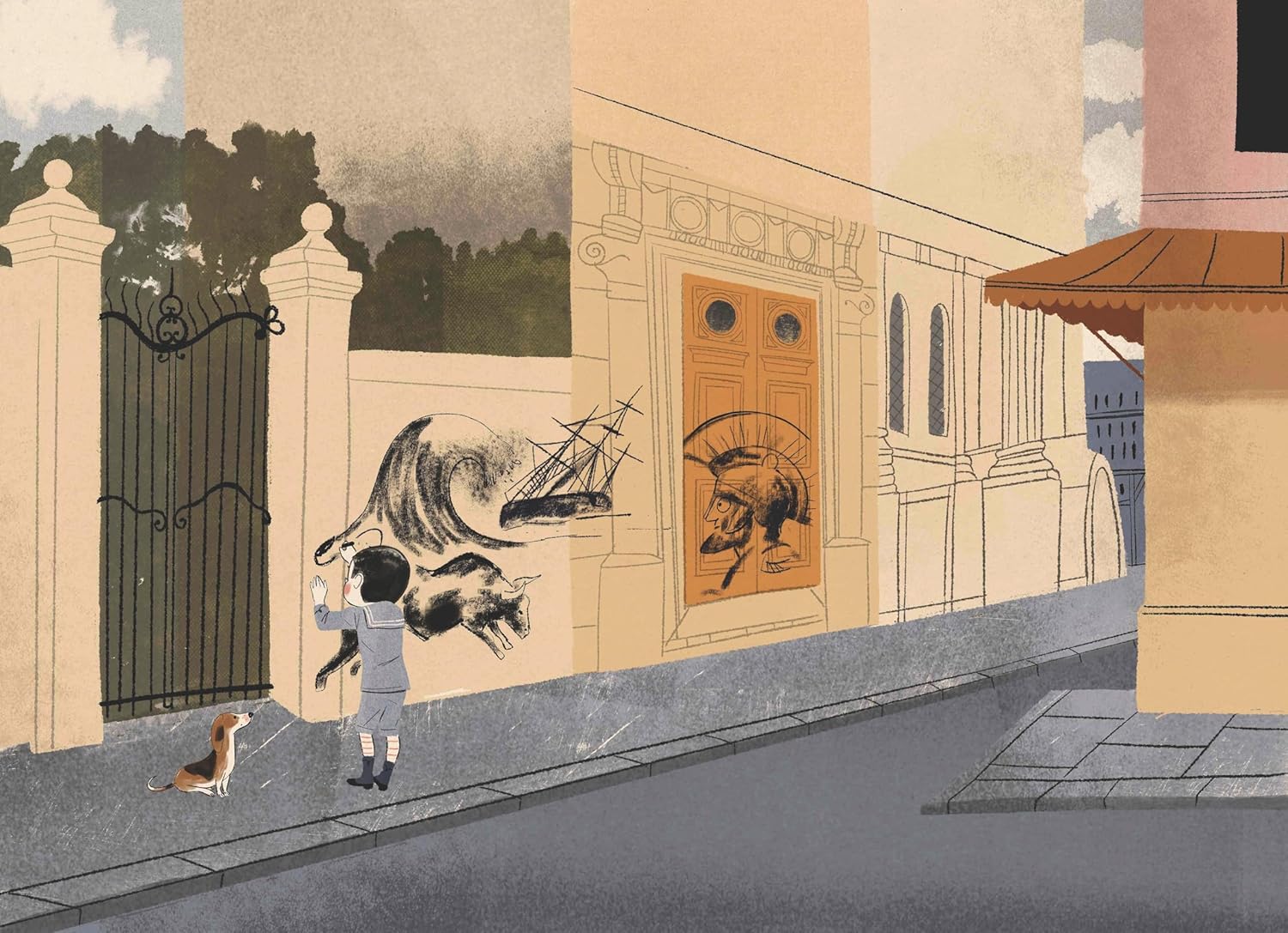
Santiago always had a passion for creating and exploring. As a child in Spain, he spent time creating music and inventing toys with any scraps he could find, drawing elaborate charcoal scenes across neighbors’ walls and racing around his grandfather’s loom shop. There, as “he twirled and tangled woolen thread…. Dust sparked and soared in a kaleidoscope of motion.” Unfortunately, not everybody understood the magic of his creations. Neighbors, and particularly Santiago’s father, believed Santiago’s public displays of art were more bothersome than intriguing. 

celebrate-picture-books-picture-book-review-santiago-saw-things-differently-drawing-on-wall

Image copyright Luciano Lozano, 2024, text copyright Christine Iverson, 2024. Courtesy of MIT Kids Press.

As Santiago’s father ushered him through many different schools, aiming to leave room for no “distractions” from study, Santiago held on to his artistic practice and passion for exploring the natural world in secret. When once admonished for drawing on the margins of his paper, Santiago was forced to spend time in his school’s dark basement. But, in a stroke of luck, “The room was lit by a wisp of light leaking through an old shutter—just enough for drawing.” Another time, stuck in a classroom with no paper, Santiago used his pencil to unlock the door. 

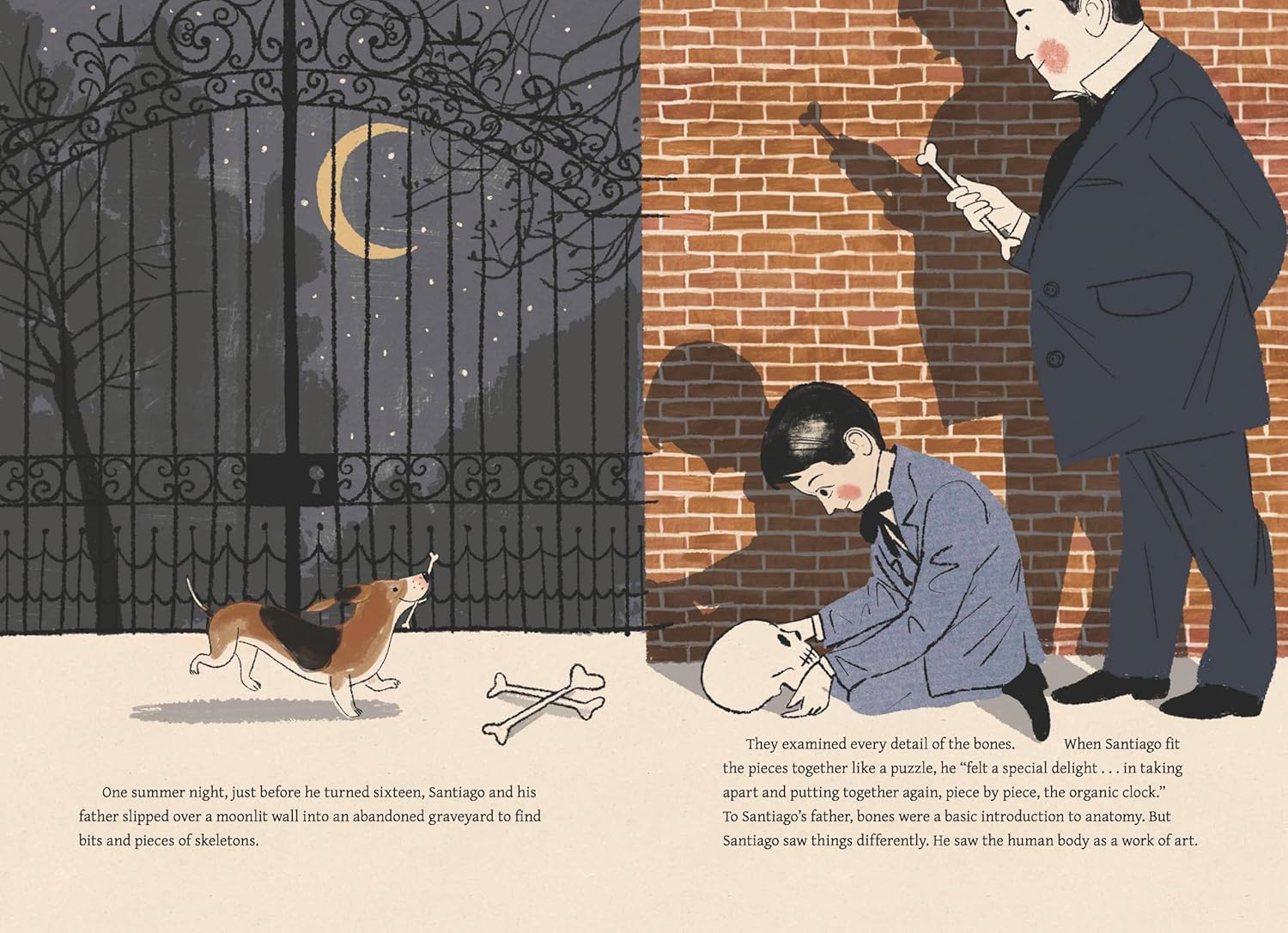
As he grew up, Santiago developed a specific fascination for the human body. At medical school, Santiago observed the way blood vessels in our bodies mirror the canals of the Ebro River near his university. “He saw the human body as a work of art,” a work that replicates in nature and is connected more broadly to the world at large.

celebrate-picture-books-picture-book-review-santiago-saw-things-differently-graveyard

Image copyright Luciano Lozano, 2024, text copyright Christine Iverson, 2024. Courtesy of MIT Kids Press.

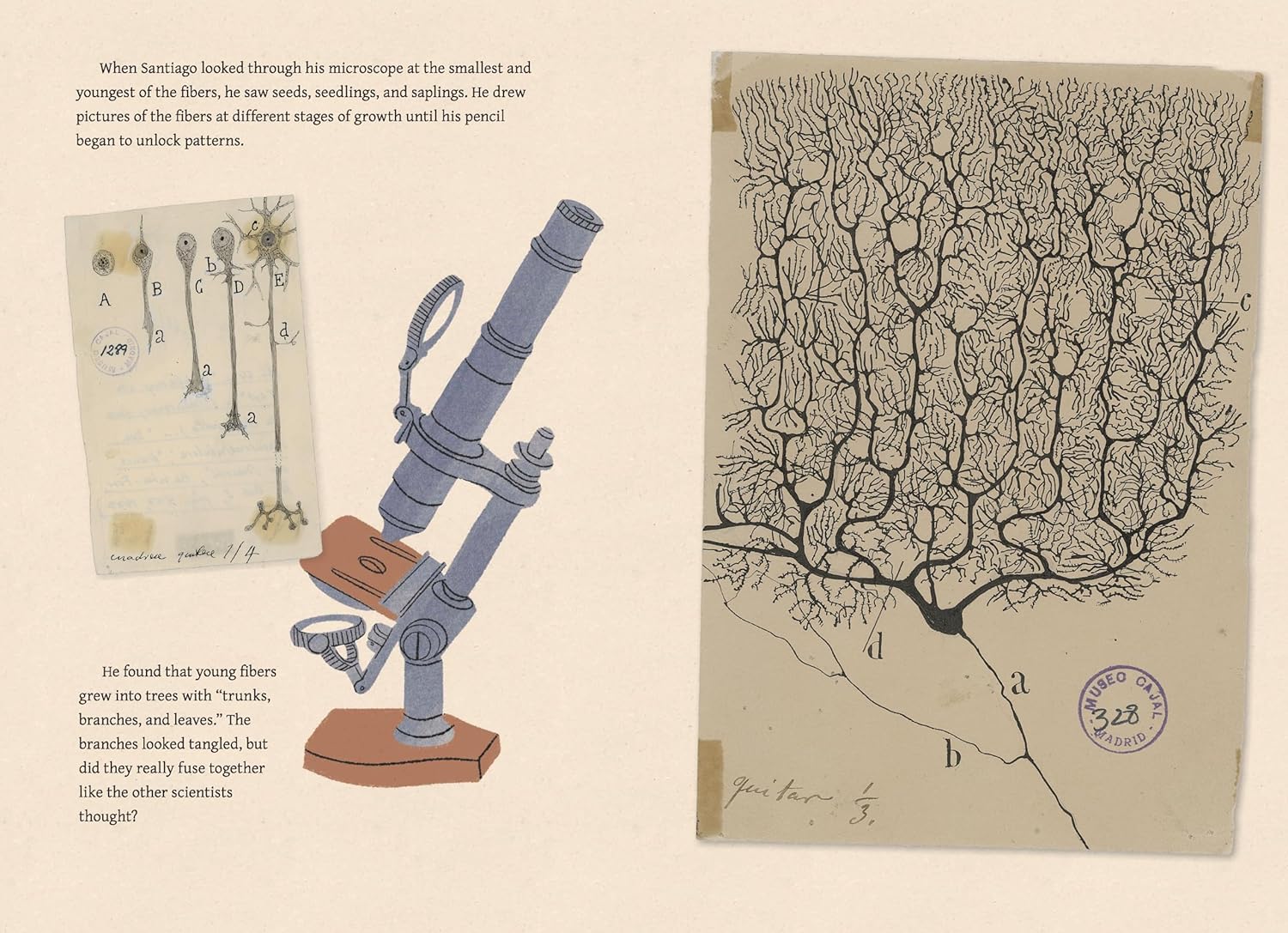
Years later, when scientists were focused on working out how the tiny connectors (or nerve fibers) in our brains worked, Santiago was able to use his microscope and drawing skills to sort out that the fibers spread in a similar fashion to the young trees he had spent so much of his time drawing and observing. With the help of ink stains, study, and lots of drawings of his observations, Santiago drew new conclusions about neurons and cells that helped scientists across the globe to understand the human brain better. 

All because “Santiago saw things differently” he was able to unlock new ways of understanding the brain, gaining him a Nobel prize and the eventual title of the Father of Neuroscience. 

celebrate-picture-books-picture-book-review-santiago-saw-things-differently-microscope-view

Image copyright Luciano Lozano, 2024, text copyright Christine Iverson, 2024. Courtesy of MIT Kids Press.

Iverson writes a detailed lyrical account of the life of Santiago Ramón y Cajal that is accessible for a wide range of readers. For interested older audiences, the book includes extensive back matter on the Anatomy of a Neuron, more biographical information on Santiago Ramón y Cajal and an explanation of the science behind one scene in the story. 

Interwoven with quotes and images from Ramón y Cajal’s original works are Lozano’s masterful swirling illustrations of Santiago and his environment as they both grow and change. Throughout the story, Lozano inserts details for readers to observe and make their own discoveries, such as the dog who follows Santiago throughout his childhood. Lozano illustrates the story mainly in blushing pinks, sky blues and light-yellow browns with accented vibrant greens and darker colors signifying location changes and key turning points in the story. There is a subtle humor helping to lighten the darker parts of Santiago’s life. The tale closes with the image of Santiago face-to-face with a cartoon-like human skeleton (filled with neurons) smiling back at him.

Santiago Sees Things Differently is a celebratory account of innovation, perseverance and appreciation for the often-interdisciplinary nature of outside-of-the-box thinkers. The title page opens with a poignant quote from Santiago Ramón y Cajal himself, encouraging “young investigators” to keep exploring the vast unknown of the natural world and to remember that what is left undiscovered is always larger than what has been already found. Santiago Sees Things Differently provides readers with the empowering knowledge that new perspectives are necessary for new discovery. And that while difference is often looked down upon, it is, often, in fact a superpower. 

(This book is available in both Spanish and English versions)

Ages 5 – 9

MIT Kids Press, 2024 | ISBN 978-1536238334

About the Author

Christine Iverson is a physical therapist with a strong interest in neural pathways. She holds a BS in history from the United States Military Academy at West Point, a doctoral degree in physical therapy from Baylor University, and an M.Ed. with a focus in children’s literature from Pennsylvania State University. She lives in Alexandria, Virginia. Visit her at christineiversonwrites. com.

About the Illustrator

Luciano Lozano is a Spanish author, illustrator, and graphic artist. He is the creator of several picture books, including Mayhem at the Museum: A Book in Pictures, and the illustrator of many others, including I (Don’t) Like Snakes by Nicola Davies. He lives in Spain. Visit him at lucianolozano.com.

STEM/STEAM Day Activities

celebrate-picture-books-brain-coloring-page


Neuroscience Coloring Pages

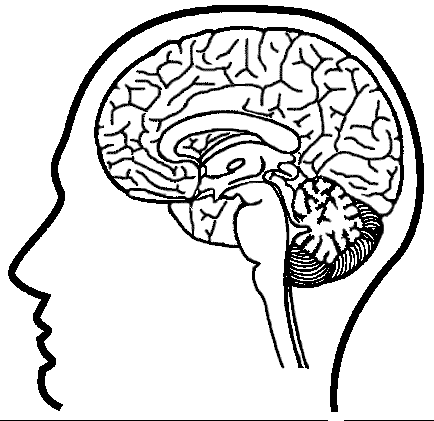
Follow Santiago’s footsteps by coloring pictures of different parts of the brain and scientific tools used in the story with these coloring pages from the University of Washington. You’ll also find brain games, plus loads of printable puzzles, worksheets, bookmarks, and even treasure hunts here too! (Coloring pages available in English and Spanish!)


Build a Hands-on Model of a Neuron

Have fun and learn about neurons by making a model! You can use almost any kind of material you like—clay, perler beads, bread dough, or even candy—to make it. So put on your thinking cap and get creative! You’ll find lots of ideas on this page from The University of Washington’s Neuroscience for Kids Page.

celebrate-picture-books-picture-book-review-santiago-saw-things-differently-cover

You can purchase Santiago Saw Things Differently at these booksellers

Amazon | Barnes & Noble | Bookshop (to support your local independent bookstore)

July 16 – World Snake Day

celebrate-picture-books-picture-book-review-i-don't-like-snakes-cover

About the Holiday

Snakes are beautiful and fascinating creatures, but they often get a bad rap due to their mysterious nature and their portrayals in literature and throughout history. Today’s holiday promotes awareness of dangers to the snake population through habitat destruction, climate change, disease, and other threats. The wide variety of snakes provide many benefits to their natural environments and deserve protection.

I Don’t Like Snakes

Written by Nicola Davies | Illustrated by Luciano Lozano


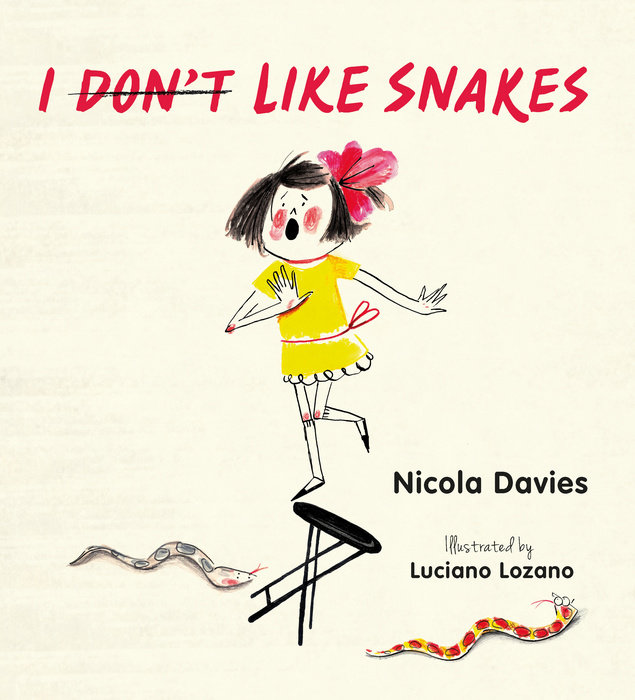
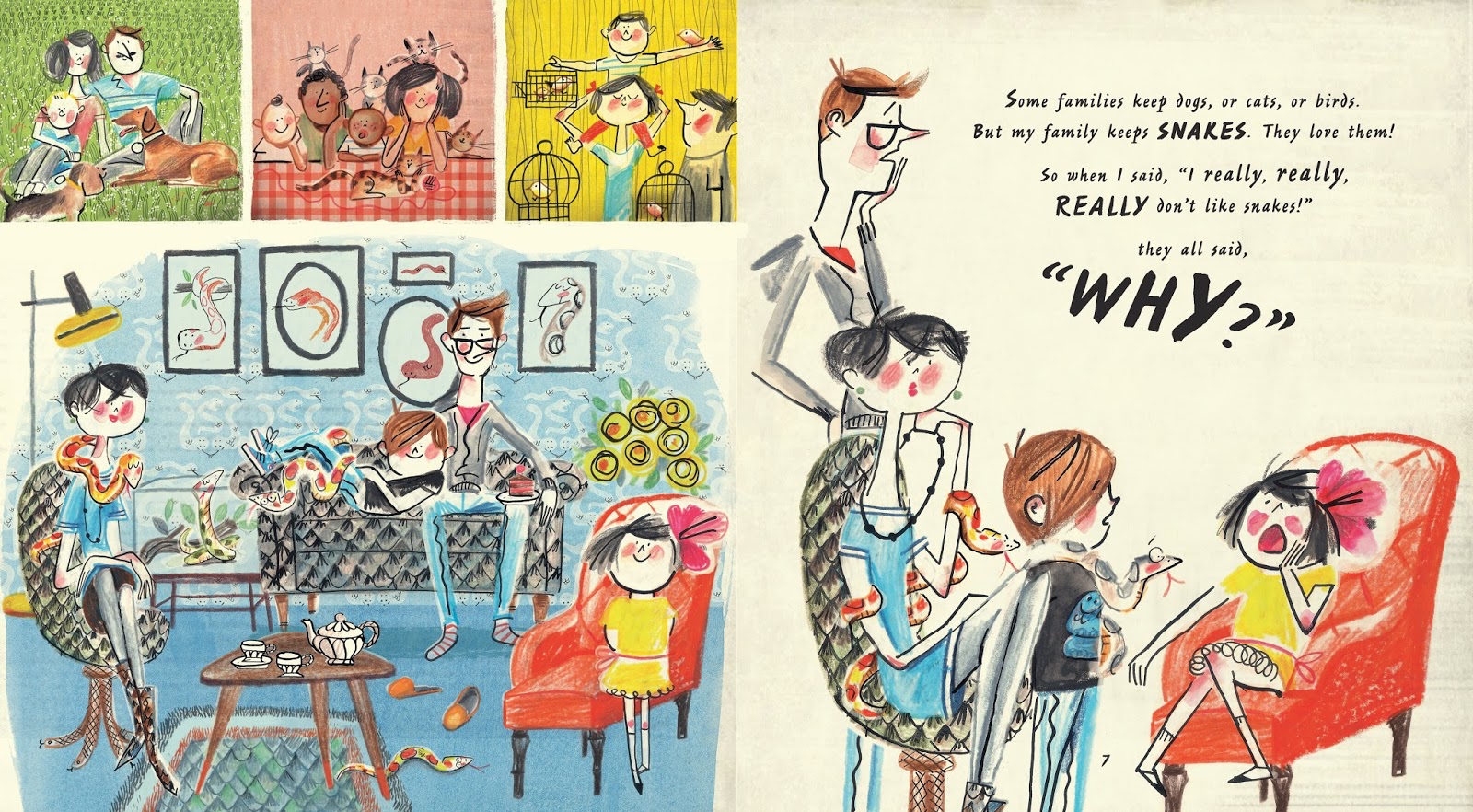
Can you imagine a family who has nothing but snakes for pets? Well, that’s the way it is for the little girl in I Don’t Like Snakes. Sitting in her red chair surrounded by her mother, father, brother and four snakes, she finally pipes up and tells her family that she “‘really, really, REALLY doesn’t like snakes!’” And they ask, “‘Why?’”

“‘Because they slither,’” she answers. Her mom has a ready answer that leads into a scientific discussion of why and how different kinds of snakes move. The mechanics of concertina and serpentine slithering as well as caterpillar crawling are clearly described in both easy-to-understand text and accompanying illustrations. Her father adds more transportation methods, including side-winding, twining, climbing, swimming, and even flying.

celebrate-picture-books-picture-book-review-i-don't-like-snakes-interior-art-why

Image copyright Luciano Lozano, 2016, text copyright, 2016. Courtesy of walker.co.uk.

The little girl has to admit these sound pretty smart. “‘But what about their slimy, scaly skin?’” She asks. After all it’s so icky! Well, her mom reveals, snakes aren’t actually slimy, but dry. Following this readers learn why snakes look wet and how they shed their skin. Her dad goes on to explain that a snake’s scales are used for protection and as camouflage or as a warning to other creatures. Ok, the little girl agrees, “‘That’s pretty cool.’”

Still, the girl doesn’t like their flicking tongues. Her mom reassures her that snakes only use their tongues to smell with. Readers then see how a snake picks up the scent of a mouse or other prey and how it is transferred to the Jacobsen’s organ that helps it detect even faint odor trails. “‘That IS interesting,’” the girl tells her mom. “‘But I STILL don’t like the way they stare! It’s creepy.’”

celebrate-picture-books-picture-book-review-i-don't-like-snakes-interior-art-eyes

Image copyright Luciano Lozano, 2016, text copyright, 2016. Courtesy of walker.co.uk.

Dad has the answer to that one. They stare because they have no other choice. Without eyelids, it’s impossible for them to blink. But if you look closely at a snake’s eyes, you can tell if they are a night or day hunter or whether they are chasers or ambushers.

All this information is starting to change the little girl’s mind about snakes. “‘Maybe now that I know something about them, I do like snakes—just a little bit!’” she tells her brother. And just like brothers everywhere, he ups the ante by revealing how snakes kill. He revels in explaining about how some snakes have hollow fangs that inject poison into their victims and how others strangle their prey until there’s no life left. And without proper teeth, snakes have to swallow their dinner whole!

The boy’s sister is braver than he thinks, and now she wants to get in the game. She says that she has discovered something about snakes herself. She knows how snakes have babies. Some give birth to live babies but most lay leathery eggs. Either way, the babies are on their own soon after hatching. The little girl has had a complete change of heart. She now thinks snakes are beautiful. “‘And do you know what?’” she says. “‘I really, really, REEEEEALLLLY LIKE THEM!’”

celebrate-picture-books-picture-book-review-i-don't-like-snakes-interior-art-skin

Image copyright Luciano Lozano, 2016, text copyright 2016. Courtesy of walker.co.uk.

Whether you like snakes, don’t like snakes, or are somewhere in between, Nicola Davies’ engaging tribute to this interesting and often misunderstood species will delight. Cleverly written to include commonly held opinions and provide compelling facts, I Don’t Like Snakes is part story, part nature encyclopedia seamlessly woven together to create a fascinating and funny read. Kids and adults will respond to the conversational tone, and, like the little girl in the story, be open to a change in attitude toward this intriguing reptile.

Luciano Luzano bridges the world of the fictional story and the nonfiction facts in I Don’t Like Snakes with charming sketches of the family and realistic depictions of the snakes they discuss. The little girl with her oversized hair bow and astonished expressions is a disarming guide to discovery. The family’s reptilian obsession is everywhere, from the snakes that twine around the mother, father, and brother’s arms and shoulders to the snakeskin upholstery. The factual information about snakes is accompanied by accurate drawings and representations of the traits portrayed.

I Don’t Like Snakes is a wonderful book for those who already love snakes as well as for those who want to learn more! It’s a great addition to anyone’s nonfiction collection.

Ages 5 – 10

Candlewick Press, 2015| ISBN 978-0763678319 (Hardcover) | ISBN 978-1536203233 (Paperback, 2018)

Learn more about Nicola Davies and her books on her website!

To view more art and books by Luciano Luzano visit his website!

World Snake Day Activity

celebrate-picture-books-picture-book-review-snake-word-search

Slithering Snake Word Search


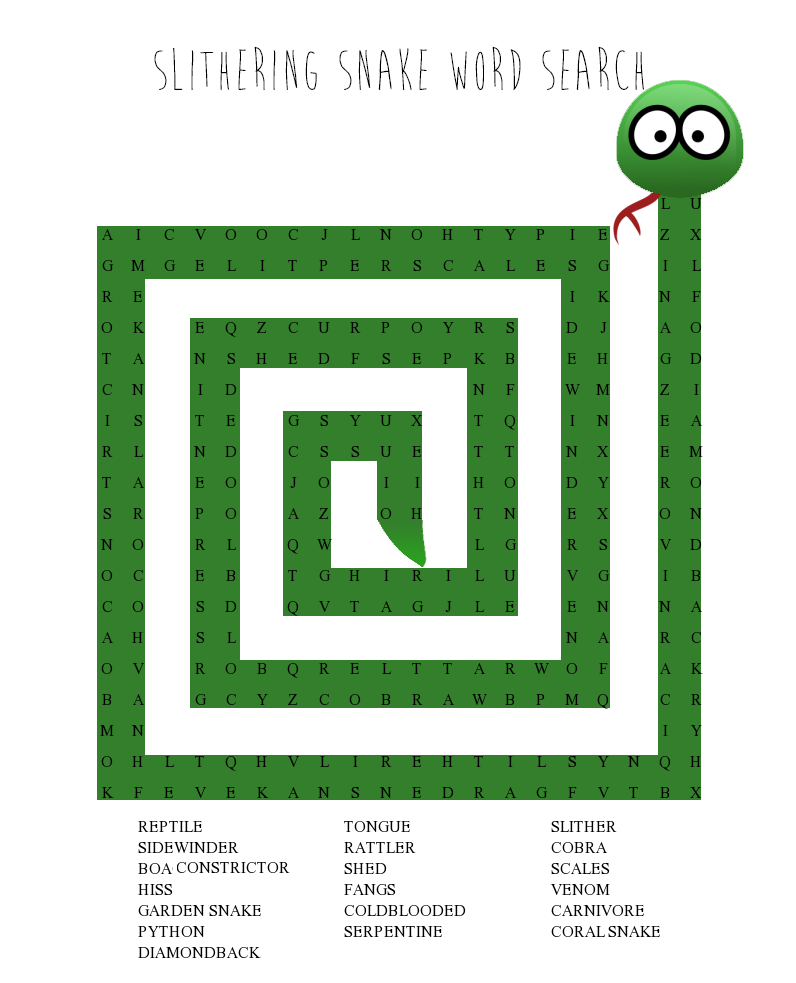
Snakes wind their way along wherever they want to go. Follow the twists and turns in this printable Slithering Snake Word Search to find the reptile-inspired words!

celebrate-picture-books-picture-book-review-i-don't-like-snakes-cover

You can find I Don’t Like Snakes at these booksellers

Amazon | Barnes & Noble | Books-a-Million

To support your local independent bookstore, order from

Bookshop | IndieBound 

Picture Book Review

July 16 – World Snake Day

celebrate-picture-books-picture-book-review-i-don't-like-snakes-cover

About the Holiday

Snakes are beautiful and fascinating creatures, but they often get a bad rap due to their mysterious nature and their portrayals in literature and throughout history. Today’s holiday promotes awareness of dangers to the snake population through habitat destruction, climate change, disease, and other threats. The wide variety of snakes provide many benefits to their natural environments and deserve protection.

I Don’t Like Snakes

Written by Nicola Davies | Illustrated by Luciano Lozano


Can you imagine a family who has nothing but snakes for pets? Well, that’s the way it is for the little girl in I Don’t Like Snakes. Sitting in her red chair surrounded by her mother, father, brother and four snakes, she finally pipes up and tells her family that she “‘really, really, REALLY doesn’t like snakes!’” And they ask, “‘Why?’”

“‘Because they slither,’” she answers. Her mom has a ready answer that leads into a scientific discussion of why and how different kinds of snakes move. The mechanics of concertina and serpentine slithering as well as caterpillar crawling are clearly described in both easy-to-understand text and accompanying illustrations. Her father adds more transportation methods, including side-winding, twining, climbing, swimming, and even flying.

celebrate-picture-books-picture-book-review-i-don't-like-snakes-interior-art-why

Image copyright Luciano Lozano, courtesy of walker.co.uk

The little girl has to admit these sound pretty smart. “‘But what about their slimy, scaly skin?’” She asks. After all it’s so icky! Well, her mom reveals, snakes aren’t actually slimy, but dry. Following this readers learn why snakes look wet and how they shed their skin. Her dad goes on to explain that a snake’s scales are used for protection and as camouflage or as a warning to other creatures. Ok, the little girl agrees, “‘That’s pretty cool.’”

Still, the girl doesn’t like their flicking tongues. Her mom reassures her that snakes only use their tongues to smell with. Readers then see how a snake picks up the scent of a mouse or other prey and how it is transferred to the Jacobsen’s organ that helps it detect even faint odor trails. “‘That IS interesting,’” the girl tells her mom. “‘But I STILL don’t like the way they stare! It’s creepy.’”

celebrate-picture-books-picture-book-review-i-don't-like-snakes-interior-art-eyes

Image copyright Luciano Lozano, courtesy of walker.co.uk

Dad has the answer to that one. They stare because they have no other choice. Without eyelids, it’s impossible for them to blink. But if you look closely at a snake’s eyes, you can tell if they are a night or day hunter or whether they are chasers or ambushers.

All this information is starting to change the little girl’s mind about snakes. “‘Maybe now that I know something about them, I do like snakes—just a little bit!’” she tells her brother. And just like brothers everywhere, he ups the ante by revealing how snakes kill. He revels in explaining about how some snakes have hollow fangs that inject poison into their victims and how others strangle their prey until there’s no life left. And without proper teeth, snakes have to swallow their dinner whole!

The boy’s sister is braver than he thinks, and now she wants to get in the game. She says that she has discovered something about snakes herself. She knows how snakes have babies. Some give birth to live babies but most lay leathery eggs. Either way, the babies are on their own soon after hatching. The little girl has had a complete change of heart. She now thinks snakes are beautiful. “‘And do you know what?’” she says. “‘I really, really, REEEEEALLLLY LIKE THEM!’”

celebrate-picture-books-picture-book-review-i-don't-like-snakes-interior-art-skin

Image copyright Luciano Lozano, courtesy of walker.co.uk

Whether you like snakes, don’t like snakes, or are somewhere in between, Nicola Davies’ engaging tribute to this interesting and often misunderstood species will delight. Cleverly written to include commonly held opinions and provide compelling facts, I Don’t Like Snakes is part story, part nature encyclopedia seamlessly woven together to create a fascinating and funny read. Kids and adults will respond to the conversational tone, and, like the little girl in the story, be open to a change in attitude toward this intriguing reptile.

Luciano Luzano bridges the world of the fictional story and the nonfiction facts in I Don’t Like Snakes with charming sketches of the family and realistic depictions of the snakes they discuss. The little girl with her oversized hair bow and astonished expressions is a disarming guide to discovery. The family’s reptilian obsession is everywhere, from the snakes that twine around the mother, father, and brother’s arms and shoulders to the snakeskin upholstery. The factual information about snakes is accompanied by accurate drawings and representations of the traits portrayed.

I Don’t Like Snakes is a wonderful book for those who already love snakes as well as for those who want to learn more! It’s a great addition to anyone’s nonfiction collection.

Ages 5 – 10

Candlewick Press, 2015| ISBN 978-0763678319

Learn more about Nicola Davies and her books on her website!

To view more art and books by Luciano Luzano visit his website!

World Snake Day Activity

celebrate-picture-books-picture-book-review-snake-word-search

Slithering Snake Word Search


Snakes wind their way along wherever they want to go. Follow the twists and turns in this printable Slithering Snake Word Search to find the reptile-inspired words! 

celebrate-picture-books-picture-book-review-i-don't-like-snakes-cover

You can find I Don’t Like Snakes at these booksellers

Amazon | Barnes & Noble | Books-a-Million | IndieBound

Picture Book Review