March 23 – National Puppy Day

The Octopuppy by Martin McKenna Picture Book Review

About the Holiday

National Puppy Day was founded in 2006 by Colleen Paige to recognize the joy and companionship that puppies bring to people. The day also promotes puppy rescue and adoption as well as education about puppy mills, and is quickly becoming an international observance. To celebrate consider donating to your local animal shelter or if you have room in your life for a new friend, adopt a puppy!

The Octopuppy

By Martin McKenna


Edgar wants a puppy for his birthday, but what he gets is so NOT a puppy. Out of the gift box pops Jarvis, a goggle-eyed octopus ready to party. Disappointing doesn’t even begin to describe it. Jarvis can’t do anything a dog could do. Sure, he might be clever—Jarvis buys Edgar an ice-cream cone instead of staying on his leash tied to the lamppost, for example—but Edgar wants a pet he can enter in the upcoming dog show.

celebrate-picture-books-picture-book-review-the-octopuppy-dog-show

Copyright Martin McKenna, courtesy of http://www.storycorner.scholastic.com

Perhaps with training Jarvis can learn to be more like a dog. But when Edgar tells him to lie down, Jarvis goes to sleep wearing PJs and socks, holding a teddy bear and surrounded with books. Edgar’s command to “play dead” elicits a surprise lunge from a wardrobe in a toilet-paper mummy costume. It’s just too much, and drives Edgar crazy! Finally, however, Jarvis learns to sit like a dog, and off they go to the dog show.

celebrate-picture-books-picture-book-review-the-octopuppy-lie-down

Copyright Martin McKenna, courtesy of http://www.storycorner.scholastic.com

At the dog show things go…well…Jarvis just can’t help being himself. He wears a tutu, plays the piano, does card tricks, and plays the drums—all at the same time. The other entrants are not amused, and Edgar is sooo embarrassed.

celebrate-picture-books-picture-book-review-the-octopuppy-sleeping

Copyright Martin McKenna, courtesy of http://www.storycorner.scholastic.com

Jarvis decides to leave, and after penning a note apologizing for being a bad dog, he slips down the toilet and out to sea. When Edgar discovers Jarvis is missing, he realizes he has been wrong. He remembers all the great things Jarvis did and thinks that Jarvis was the best Octopuppy in the world! Suddenly, he wants his pet back. He looks everywhere, but Jarvis is nowhere to be found.

As a last resort Edgar yells his apology into Jarvis’s escape route. His message is carried through the plumbing by various pipe and underground creatures until Jarvis hears it. Before Edgar can turn around, Jarvis is back! To celebrate his being home, Edgar’s family and friends throw Jarvis the kind of wild party he was looking for all along.

celebrate-picture-books-picture-book-review-the-octopuppy-edgar-has-change-of-heart

Copyright Martin McKenna, courtesy of http://www.storycorner.scholastic.com

This endearing story has just the right mix of craziness and sincerity to make it a favorite on any child’s bookshelf. Martin McKenna hits all the right notes in his tribute to friendship and the idea that true friends accept and appreciate each other the way they are. Jarvis is a sweetie doing very un-doglike things. He rescues a cat instead of chasing it, cooks sausages instead of stealing them, and performs surgery instead of biting the mailman. These vignettes make Edgar’s rejection all the more heartrending and his ultimate realization very satisfying. McKenna’s illustrations are loaded with silly and profound details that kids will want to linger over, and the two-page spread of Edgar leading Jarvis home after the dog show is an emotional marvel.

Ages 3 – 6

Scholastic Press, 2015 | ISBN 978-0545751407

National Puppy Day Activity
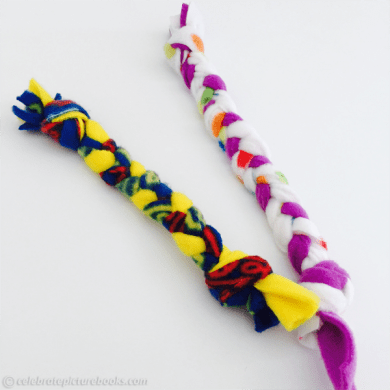
CPB - Dog Toy

Braided Puppy Toy


Your puppy or full-grown dog will love playing with you and this easy-to-make toy that’s perfect for tug-of-war, fetch, or any kind of fun.

Supplies

  • Fleece in two or three colors or patterns
  • Scissors

CPB - Dog Toy II

Directions

  1. Cut 3 strips of fleece 15 inches to 20 inches long. You can use just one color, two, or three!
  2. Holding all three strips of fleece together, make a knot by looping them at the top, feeding the ends through the loop, and pulling tight.
  3. Braid the 3 strands of fleece until there are 3” to 4” left at the end
  4. Holding all three strands together, knot them as before
  5. Your puppy or dog toy is ready to play with! (Cats and kittens like these too, just don’t tell your puppy—Shhh!)

Picture Book Review

March 19 – National Poultry Day

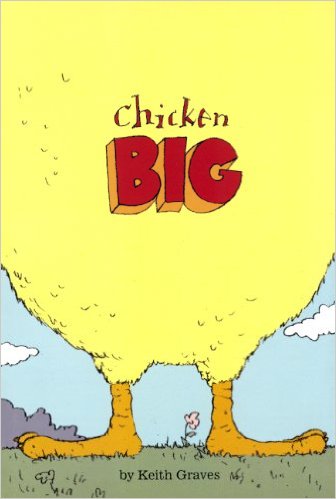
Chicken Big by Keith Graves Picture Book Review
About the Holiday

Perhaps someone’s too chicken to publish much information about this holiday, but even without the details, it’s certainly an eggsellent day to remember our feathered friends of the barnyard variety, who also happen to feature prominently in picture books of all kinds.

Chicken Big

By Keith Graves


Something big is hatching at the teeny little farm. Not only big, but humongous! Chicks aren’t supposed to be that big, so what is it? The small chicken agrees that whatever it is, it’s big; the smaller chicken goes so far as to call it enormous; and the smallest chicken declares it’s an elephant, and warns that indoor elephants are dangerous! The chickens all concur on one thing, though—this creature is too big to stay in the itty-bitty coop. The newly hatched chick, listening to all this squabbling, doesn’t feel like an elephant and wishes he were a chicken.

The next day an acorn conks the smallest chicken on the head, causing the familiar “the sky is falling” panic to hit the teeny farm. While the chickens are running around like chickens with…well, you know, the big chick discovers that acorns are tasty. Seeing the chick eating acorns convinces the smallest chicken that their coopmate is indeed a…squirrel!

When the rains come, the big chick protects the others under his wing, so the smallest chicken decides this barnyard biggie is an….umbrella! It doesn’t take long for the smallest chicken to realize she is wrong, and that the yellow fellow with the chilly wind blocking skills is a…sweater!

When the chickens return to the coop for naptime and discover their eggs have been stolen, they boo hoo hoo into their feathers while the humongous chick scouts out the fox, who is carrying the precious cargo into his den. With a hop and a jump the big chick spans the mile and peeps into the fox’s home just as he is about to fry up some lunch. Frightened by the “hippopotamus,” the fox scampers away.

Big chick brings back the eggs and is proclaimed a hero. Finally the chick’s intelligence, kindness, and bravery convince the chickens that he is one of them (well, most of them believe so anyway), and they welcome him into the coop. There’s just one problem…. But the smallest chicken is the first to say they’ll make room.

Keith Graves has hatched up a crazy tale of mistaken identity that will keep kids giggling and groaning with delight as the possible aliases grow more and more ridiculous. The feather-brained chickens are drawn with comic masterstrokes as they frantically try to determine who or what has invaded their farmyard. The big chick is indeed big—dominating the page and towering over his coopmates. Incorporating comic-style conventions on some pages, such as speech bubbles and small panels, as well as mixed typefaces adds to the humor.

Ages 4 – 8

Chronicle Books, 2014 | ISBN 978-1452131467

National Poultry Day Activity

CPB - Chick single

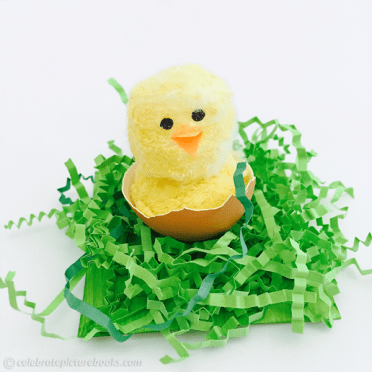
Hatch a Chick of Your Own


Chicks are so cute and fluffy—you just wish you could have one of your very own! Now you can! Hatch your own chick with this craft.

Supplies

  • Cotton balls
  • Yellow chalk
  • Orange paper
  • Black paper
  • Egg shell
  • Paper grass
  • Cardboard or poster board
  • Cheese grater
  • Bowl
  • Green paint
  • Glue
  • Scissors

CPB - Chick triple

Directions

To make the shell

  1. Crack an egg and save the two halves
  2. Soak the eggshells in soapy water or wash gently with soap
  3. Dry eggshell

To make the chick

  1. Grate the chalk with the cheese grater into the bowl
  2. Roll the cotton balls in the chalk dust until they are covered
  3. Choose one cotton ball to be the head
  4. Make the beak from the orange paper by folding the paper and cutting a small triangle. The triangle’s base should be along the fold.
  5. Cut two small eyes from the black paper
  6. Glue the beak and eyes to the head cotton ball
  7. Glue the head cotton ball to the body cotton ball
  8. Set the chick into one of the eggshell halves (you can glue it in if you wish)

To make the stand

  1. Cut a 3-inch by 3-inch square from the cardboard or poster board
  2. If you wish, paint the square green
  3. Glue green paper grass to the square
  4. Glue the eggshell halve to the stand.

March 7 – National Cereal Day

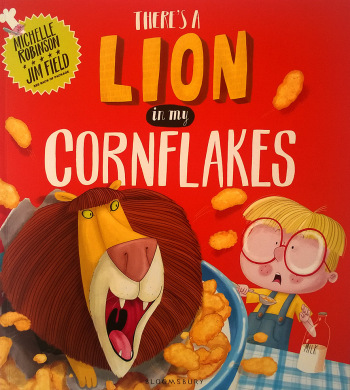
There's a Lion in My Cornflakes by Michelle Robinson and Jim Field picture book review

About the Holiday

Did you know that breakfast in a bowl actually began with an experiment that went wrong? Or just maybe it was right! John Harvey Kellogg and his brother Will Keith Kellogg were experimenting with boiled wheat in 1877 when they left some out overnight. In the morning the wheat was stale. The brothers decided to roll it out instead of throwing it away, and they found that each wheat berry created a flake. Boiled corn worked the same way, and from this process the Kellogg brothers invented Corn Flakes, the first dry cereal!

Today’s holiday celebrates all the varieties of your favorite cereal—whether it’s made of corn, wheat, bran, rice, or a mixture of flakes, fruit, and nuts. So pour yourself a big bowlful and enjoy!

There’s a Lion in My Cornflakes

Written by Michelle Robinson | Illustrated by Jim Field


Who could resist clipping cereal box coupons to receive a free lion? Nobody, that’s who! I mean, it would be so cool, right? A lion to take on walks, ride to school, and open tin cans—awesome! So a boy and his brother, Dan, take a year’s worth of their allowance, make “a million” trips to the grocery store, and start cutting.

But all those boxes of cereal squeeze out the other food on the pantry shelves, so Mom says the boys have to eat cornflakes for breakfast, lunch, and dinner until it’s gone—and, oh yeah, they don’t get an allowance until then either. It’s all worth it, though, because they’re going to get a real live lion.

There’s just one hitch—every other kid in town has the same idea, and while the brothers wait for their lion to arrive, everyone else is out playing with their new pet. Finally, the delivery truck pulls up in front of the house, and out walks…a grizzly bear?! That’s not right, and it’s even delivered to the wrong house. Well, the bear’s not too crazy about the situation either, and shows it. The kids and the bear have to clean up the neighbor’s yard and apologize.

A letter of complaint to the cereal company brings resolution in the form of…a crocodile?! The crocodile spends all its time in the bathroom, and the grizzly bear is still causing havoc. Dad calls the cereal company and to make up their mistake they send…a gorilla?! The gorilla stomps on Dad’s car and rips the door off. Well Dad’s had enough!  The whole crew piles into the car so Dad can “give those cereal people a piece of my mind.”

The cereal people sure are sorry for the mix-up. They make amends by letting the family keep the grizzly bear, the crocodile, and the gorilla, AND the company gives them…a lifetime’s supply of cornflakes! But really, what good are all those boxes? The boys can’t walk them or ride them or even open cans with them.

You know what, though? Mom’s discovered the crocodile has some pretty sharp, can-opening chompers. The grizzly bear can walk forever and even wear a fanny pack. And the gorilla makes a very cool chauffeur. Why bother having a lion when everyone else has one?

Besides, what are the cereal people offering now—a free tiger?! Hmmm….

Michelle Robinson has taken the lure of free stuff to its ridiculous best. There’s a Lion in My Cornflakes serves up the benefits of individuality and drawbacks of consumerism in a silly, over-the-top scenario that will have kids laughing at every page and escalation of the brother’s problem.

Jim Field’s bold, vibrant illustrations are the perfect accompaniment to this boisterous tale. As the boxes of cornflakes and clipped coupons pile higher and higher and the free animals cause more mayhem, the boys’ expressions go from excited to nonplussed to shocked and finally  to acceptance as day after day brings new and unexpected results of their actions. Kids will love the funny details on every page that highlight the story.

Ages 3 – 7

Bloomsbury Children’s, 2015 | ISBN 978-0802738363

National Cereal Day Activity

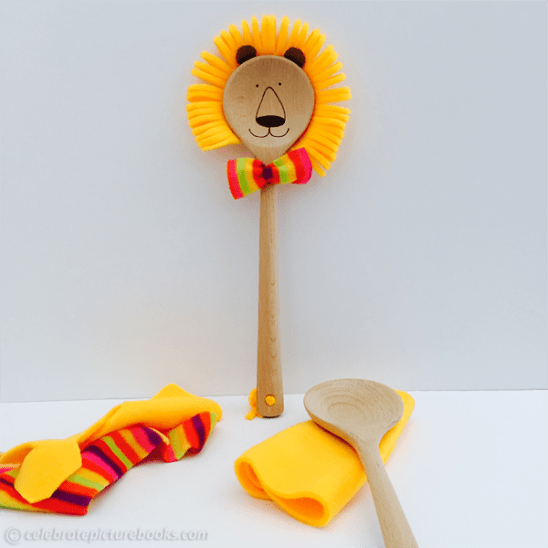
CPB - Spoon Lion

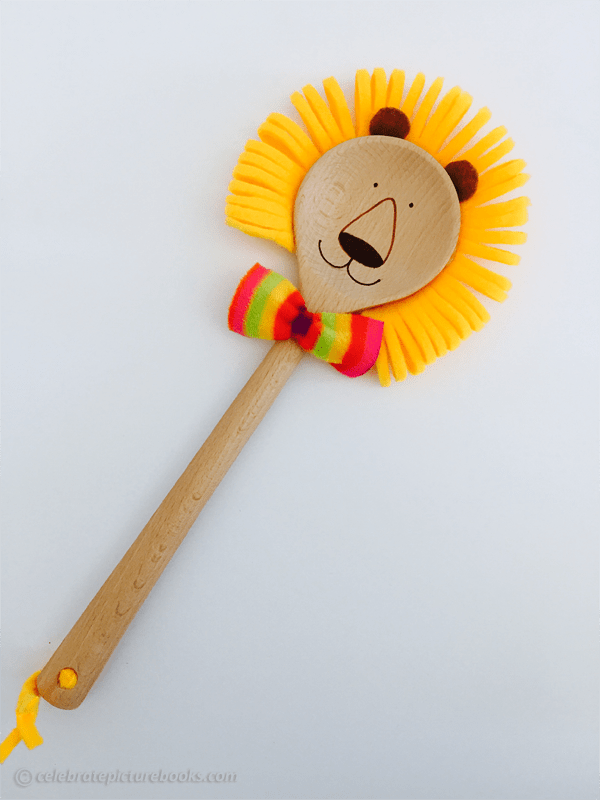
Spoon Lion Puppet


Spoons are just the thing for eating cereal! But with this craft you can make a ROARingly cute lion puppet!

Supplies

  • Wooden mixing spoon
  • Yellow Fleece
  • Brown felt
  • Colorful Fleece or felt
  • Fabric glue
  • Light brown marker
  • Dark brown marker
  • Hot glue gun or super glue
  • Scissors

CPB - Spoon Lion with stuff

Directions

To make the lion’s face

  1. Draw a nose, mouth, and eyes on the front/bowl of the spoon

To make the mane

  1. Measure the rim of the spoon from one side of the handle to the other
  2. Cut a strip of yellow fleece as long as rim measurement and 4 inches wide
  3. Fold the piece of fleece in half long-ways
  4. Glue the open edges of the fleece together
  5. Along the folded side cut a fringe, leaving the loops intact

To make the ears

  1. Cut round ears from the brown felt

To make the bow

  1. Cut a 3-inch x 1 ½-inch piece of colorful fleece or felt
  2. Cut a long thin strip of fleece or felt
  3. Pinch the bow in the middle and tie with the longer piece of cloth. Trim as necessary

To make the tail

  1. Cut three thin 4-inch-long strips of yellow fleece
  2. With fabric glue, glue the tops of the strips together
  3. Braid the strips
  4. At the bottom, glue the strips together, leaving the ends free

To assemble the lion

  1. Glue the ears to the back of the spoon
  2. Glue the mane to the back of the spoon
  3. Glue the bow to the handle
  4. Fold the top of the tail and push it into the hole in the handle of the spoon

March 3 -World Wildlife Day

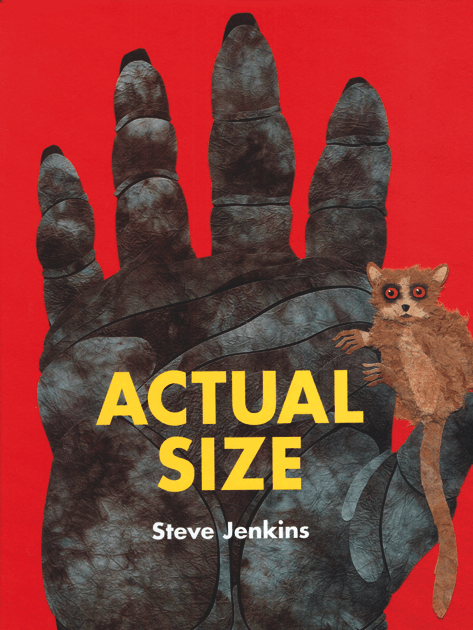
Actual Size by Steve Jenkins Picture Book Review
About the Holiday  

Sponsored by the United Nations, World Wildlife Day celebrates the many varieties of wild animals and plants that make up our earth. It is also a day to raise awareness of the ways in which conservation of natural resources and sustainable development benefits people and all the world’s species. The theme this year is “The future of wildlife is in our hands.” African and Asian elephants are the main focus of the 2016 global campaigns.

Secretary-General Ban Ki-moon says: “On this World Wildlife Day, I call on all citizens, businesses and governments to play their part in protecting the world’s wild animals and plants.  The actions taken by each of us will determine the fate of the world’s wildlife.  The future of wildlife is in our hands!”

For more information on World Wildlife Day 2016 and to see what events are taking place in cities around the world visit wildlifeday.org

Actual Size

By Steve Jenkins


We know wildlife is all around us, but apart from our pets and the occasional mosquito we swat or bumble bee we avoid, we tend to see it from a distance. We watch birds flutter at feeders through a window, we see exotic animals at the zoo, aquarium, or wildlife parks, and point out cows and horses while driving. If asked how big the chickadee or elephant is, we’d say small and huge! But how small? How huge?

What makes Steve Jenkins’ book Actual Size so fascinating is that he shows readers on the page exactly how big or how tiny with scale drawings of each creature. The Atlas Moth on page 1 is so large part of one wing dips into page 2, where you hardly notice the dwarf goby—at a minuscule 1/3 inch long—in the bottom corner. As you turn the page you almost catch your breath to find the enormous 12-inch-wide eye of a giant squid staring back at you.

An ostrich with its egg and the whip-like tongue of the giant anteater are also here. And if you’re at all squeamish about spiders, you might want to avoid pages 12 and 13! The snout of the saltwater crocodile and the Goliath frog are both so long that they require a fold-out page! Kids will love putting their tiny hand against the gorilla’s and their foot on the African elephant’s.

Actual Size features 18 of the world’s well-known and unusual creatures, each described in more detail, including weight, habitat, diet, behavior, defenses, and more, at the end of the book.

Steve Jenkins’ striking collages, created from cut and torn paper, beckon readers to look closer at these awesome creatures.

Ages 4 – 9

Houghton Mifflin Books, 2004 | ISBN 978-0547512914

World Wildlife Day Activity

CPB - Wildlife Day Elephant Print (2)

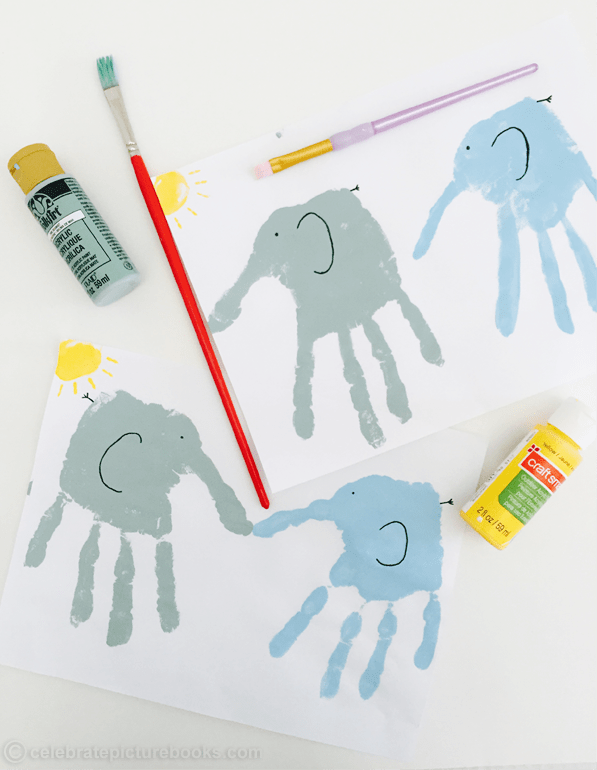
Hands Down Best Elephant Print


A way to make the cutest elephant print ever is right in your hands! With a little paint and paper, you can create a wildlife print that’s as unique as you are. This is a fun activity to do with a child and parent or two siblings. Working with different size hands can make your print more interesting.

Supplies

  • Paper, any color
  • Paint, any color you would like your elephants to be
  • Paint brush
  • Black marker

Directions

In this print your palm creates the body of the elephant, your four fingers create the legs, and your thumb becomes the trunk.

1. Make the right-facing elephant:

  • Paint your left hand. Make sure to fill in all the creases on your palm and fingers.
  • Press your hand onto the left side of the piece of paper

 2. Make the left-facing elephant:

  • Paint your right hand. Make sure to fill in all the creases on your palm and fingers.
  • Place your hand on the right side of the paper so that your thumb touches the end of the thumb on the left hand print. Press your hand onto the right side of the piece of paper

3. You can fill in any thin or open spaces with the paintbrush if you like

4. Let the handprints dry

5. Turn the page so that the four fingers that create the legs of the elephant are facing down.

6. Draw a dot for an eye at the base of the thumb, an ear in the palm, and a tail at the back of the hand.

7.  To make the sun, dip your thumb in yellow paint and press it into the corner of the paper. Make little rays with the edge of the paintbrush.

8. Hang your print with or without a frame.

March 1 – National Pig Day

The Three Ninja Pigs Picture Book Review

About the Holiday

Pigs inspire us! Whether we see them on a farm, have them as pets, or enjoy them as part of our entertainment—who can forget Wilbur or Babe or even the little piggie who went wee, wee, wee, all the way home, after all?—pigs are part of our lives almost from the time we are born. How did they reach this lofty state? By being smart! Pigs are one of the most intellectual animals, capable of high-level learning. In 1972 sisters Ellen Stanley and Mary Lynne Rave decided pigs needed more acclaim, and so National Pig Day was established. On this day pigs are celebrated with special events, parades, and parties at zoos, farms, and schools.

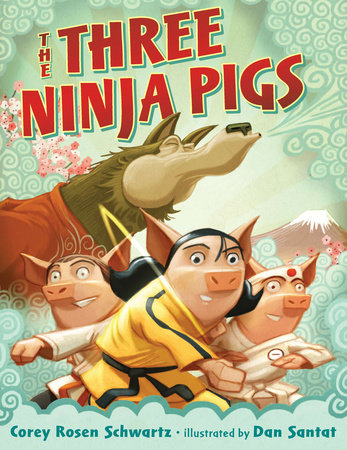
The Three Ninja Pigs

Written by Corey Rosen Schwartz | Illustrated by Dan Santat


The Big Bad Wolf has never encountered Three Little Pigs like these! When the sibling trio (two brothers and a sister) in this fractured fairy tale have had enough of the wolf’s bullying they take matters into their own trotters. Enrolling at the new Ninja school, Pig One begins to learn aikido, but with a “straw-house” attitude, he drops out before he acquires any useful skills. Pig Two has little more “stick”-to-itiveness with his Jujitsu training and quickly says “Sayonara” to his teacher. Thankfully, Pig Three has the steadfastness of a brick. She earns her black belt in Karate and is ready to rumble.

When the wolf comes huffing and puffing to the doors of Pig One and Pig Two, things go…well…you know…. The wolf chases the two brothers to their sister’s house, where this “certified weapon” stands prepared. She demonstrates her kicks and flips, which don’t scare the wolf. When he witnesses her mighty ability to split bricks with one chop, however, the wolf scrams.

How do these intrepid pigs top that? The brothers learn their lesson and—finally—their ninja moves. After graduation this fearless family makes sure that wolf will never return by opening a dojo of their own!

Corey Rosen Schwartz has created a rowdy, rambunctious triple-pig threat in this uproarious rendering of the three little pigs tale. With perfect rhythmic limericks that are a joy to read aloud, Schwartz cleverly uses puns, funny dialogue, and one feisty piglet to chop the wolf down to size. Dan Santat’s illustrations are full of angst, action, and attitude. Legs kick, hands chop, boards and bamboo fly as the three pigs and their nemesis wolf nearly leap from the page in their battle.

Ages 4 – 8

G. P. Putnam’s Sons Books for Young Readers, 2012 | ISBN978-0399255144

National Pig Day Activity

CPB - Pig Day pigs

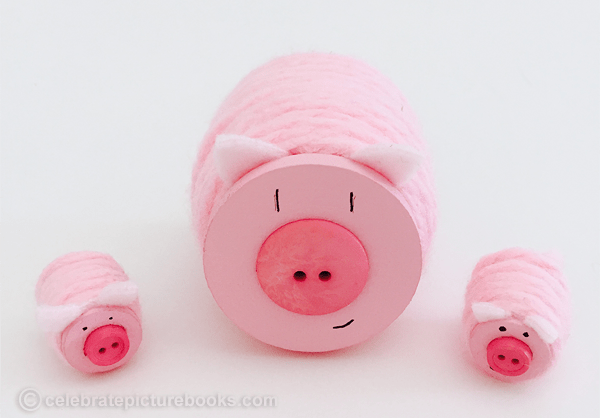
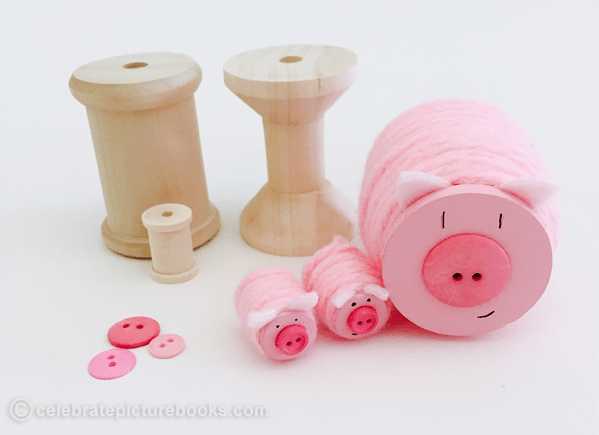
Roly-Poly Pig and Piglets


Who doesn’t love hamming it up with a piglet? But let’s face it, having your own real pig just isn’t practical for everyone. Here’s a little piggie that you can make to keep you company on your desk or near your bed or anywhere it’s fun to play!

Supplies

  • Printable Pigs Ears Pattern
  • 2 ½-inch wooden spoon, available from craft stores
  • 1-inch wooden spool, available from craft stores
  • Pink yarn, I used a wide-strand yarn
  • Pink fleece or felt
  • Pink craft paint
  • Pink 5/8-inch or 1-inch flat button with two holes
  • Pink 3/8-inch flat button with two holes
  • Paint brush
  • Scissors
  • Glue
  • Black marker

CPB - Pig Day with spools (2)

Directions

  1. Print the Pigs Ears pattern
  2. Trace the ears onto the fleece or felt and cut them out.
  3. Paint the spool with the pink paint
  4. Let spool dry
  5. When the spool is dry, glue the ears to the spool, letting the ears stick up over the rim of the spool.
  6. Wrap yarn in straight layers around spool until the body of the pig is a little bigger than the end of the spool, which will be the face
  7. Cut yarn off skein and glue the end to the body
  8. To make the nose, glue the button over the hole in the middle of the spool
  9. Mark the eyes and mouth with a marker
  10. To make the tail for the large pig, cut a 4-inch long piece of yarn. Tie a triple knot in the yarn (or a knot big enough to fill the hole in the spool). Then tie a single knot below the first knot. Insert the large knot into the spool’s hole at the back of the pig. Trim the yarn in front of the second knot as needed.
  11. To make the tail for the piglets, tie a single knot in the yarn and another single know below the first. Insert one of the single knots into the hole. Trim yarn as needed.

February 2 – Sled Dog Day

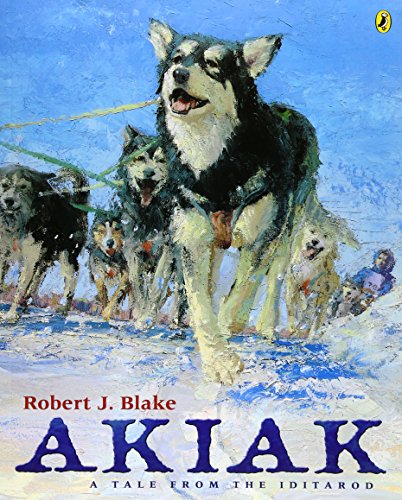
celebrate-picture-books-picture-book-review-akiak-a-take-from-the-iditarod-cover

About the Holiday

On this day we honor the sled dogs who have bravely risked their lives to help human beings survive and flourish in some of the harshest landscapes from our earliest history. One of these memorable times occurred in 1925 when a diphtheria epidemic swept through Nome, Alaska. The only anti-toxin that could help was in Anchorage—more than 900 miles away! The weather was horrific and the only way for the serum to reach the ailing population in time was by dog sled. Through incredible bravery, strength, and perseverance, a relay of dog-sled teams completed the run and delivered the serum.

Today’s Iditarod honors this heroic effort. While this picture book review revolves around the Iditarod, if you would like to read about the serum run and a brave sled dog that made the success of the project possible, I highly recommend another picture book by Robert Blake: Togo.

Akiak: A Tale from the Iditarod

Written and Illustrated by  Robert J. Blake

The annual Iditarod is the setting for this dramatic outdoor adventure that pits mushers and their sled dogs against the harshest climate and each other. Akiak is a veteran of this grueling race from Anchorage to Nome, Alaska. She has led a team of dogs to a fifth, third, and second place, but that winning spot has been so elusive. This year Akiak is 10 years old and it will be her last chance to bring home a first-place finish for the 16-dog team and Mick, her musher.

celebrate-picture-books-picture-book-review-akiak-a-take-from-the-iditarod-sled-team

Image copyright Robert J. Blake, courtesy of Puffin Books

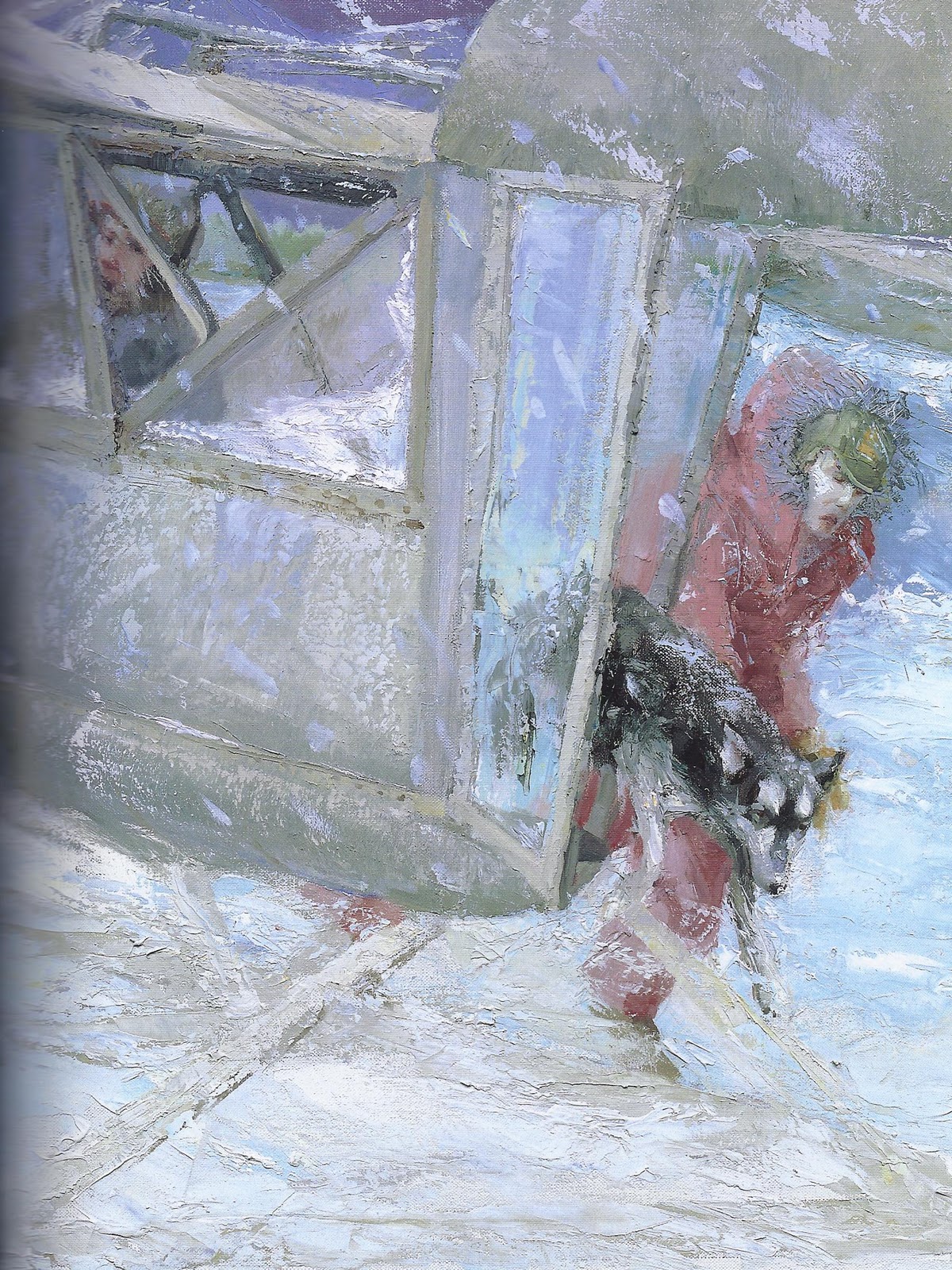
Akiak possesses the drive and heart to lead the sled up and over dangerously steep hills, through icy water and deep snow, and through howling storms. On Day 3 Akiak, Mick, and the other dogs pass Willy Ketcham, their main rival, and the race is looking good. But on the fourth day of the race, ice jams Akiak’s paw and she can’t continue. Mick leaves her at a checkpoint to be flown home while another of the dog team takes her place.

celebrate-picture-books-picture-book-review-akiak-a-take-from-the-iditarod-akiak-goes-outside

Image copyright Robert J. Blake, courtesy of Puffin Books

But Akiak won’t give up easily. Taking advantage of difficult weather, she is able to escape from the handlers putting her on the plane and speeds away, following her knowledge of the trail and the scent of the team to find Mick.

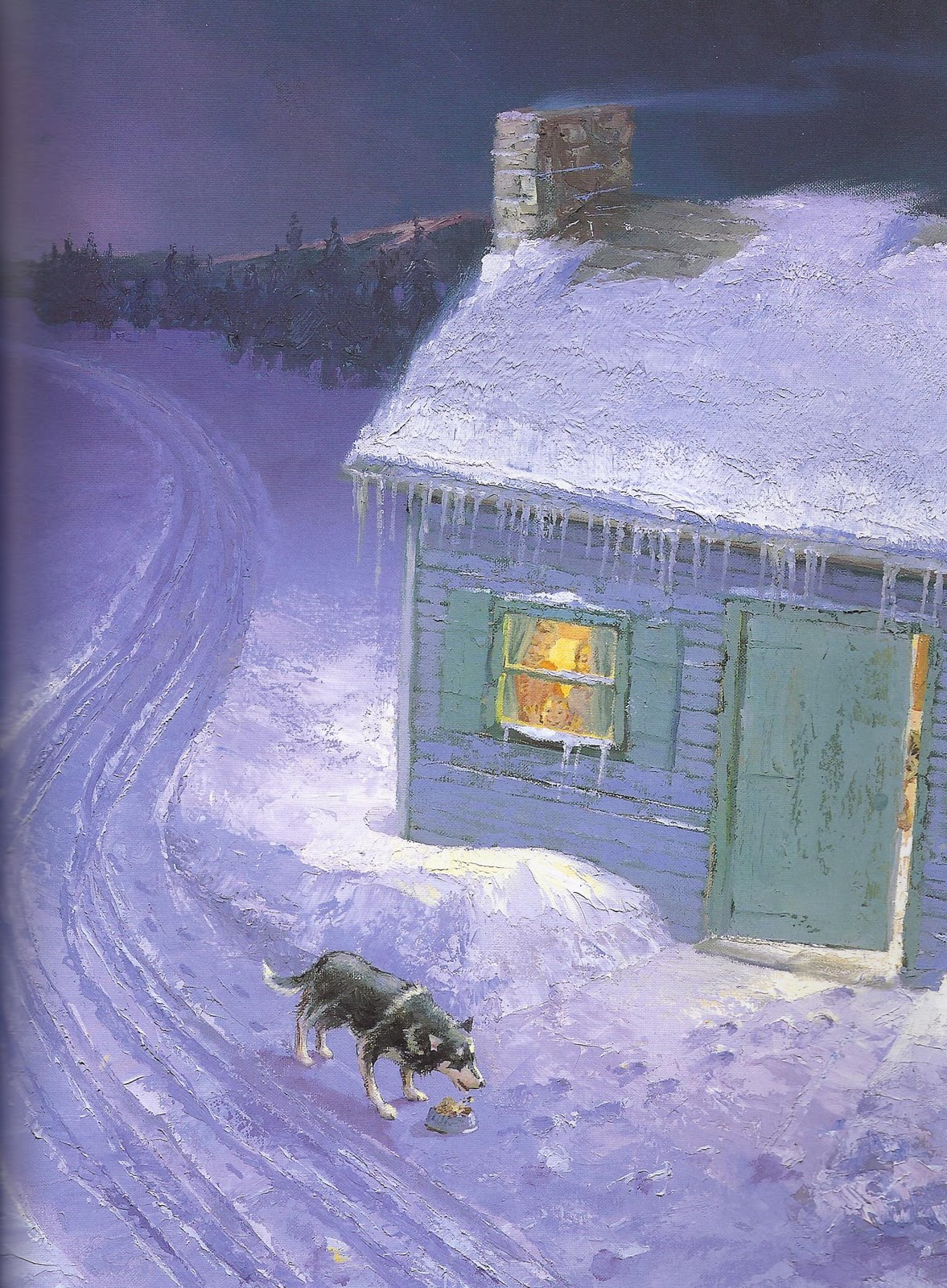
Akiak waits out a blizzard, outsmarts trail volunteers who try to catch her, and endures hunger and thirst to narrow the distance between her and Mick. With the help along the trail, Akiak comes closer to her old team. Finally on day 10, just when the team and Mick need her most, Akiak catches up with them! The Iditarod rules say Akiak can’t be put back on the team, but that doesn’t mean she still can’t help.

celebrate-picture-books-picture-book-review-akiak-a-take-from-the-iditarod-akiak-gets-food-along-the-way

Image copyright Robert J. Blake, courtesy of Puffin Books

Akiak knows something Mick doesn’t. While the team is floundering among crisscrossing trail marks, Akiak nudges them onto the right track. Akiak jumps in the sled with Mick, and they glide into Nome ahead of Ketcham – triumphant!

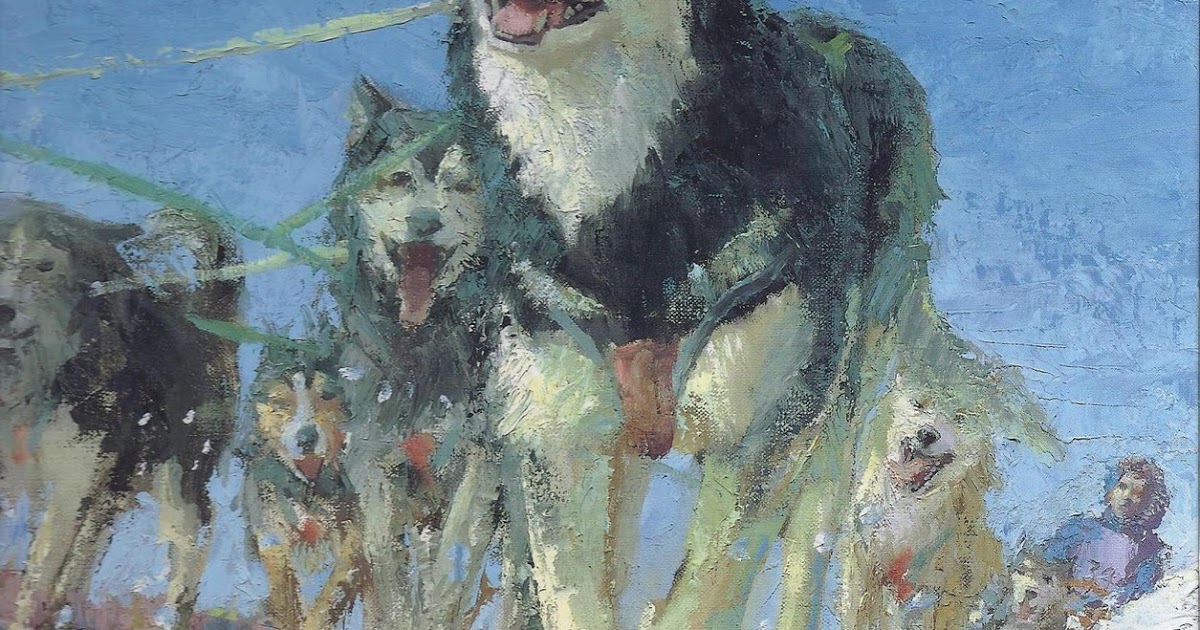
Author-illustrator Robert Blake has created a fast-paced adventure full of as many twists and turns as the Iditarod trail itself. Children of all ages will cheer Akiak along on his journey. Blake’s oil painting illustrations bring to life the whipping snow, howling winds, and deep drifts of this forbidding landscape. The movement and determination of Akiak and the other sled dogs are rendered beautifully as they strive to win. Alaska’s vast beauty becomes a character itself in the icy blue and white tones of Blake’s work.

Ages 4 – 8

Puffin Books, New York, 2004 | ISBN 978-0142401859

Discover more about Robert Blake and his many books, plus sketchbooks and a video on his website!

Sled Dog Day Activity

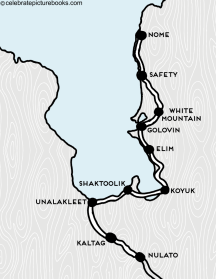
CPB - Iditarod game map

Race the Iditarod Trail! Board Game


Play Race the Iditarod Trail—a game as wild as the run itself! The game board, playing cards, and instructions can all be found here (save images to print a full page):

Even Years Route

Odd Years Route