March 20 – International Day of Happiness

About the Holiday

International Day of Happiness celebrates happiness around the world, supporting this important sense of wellbeing no matter how it is measured. While in its recognition of the holiday, the United Nations focuses on economic, human rights, environmental, peace, and social initiatives, including these 17 Sustainable Development Goals, we are all invited to find happiness in ways that are meaningful to us and spread that joy to others. One way to find lasting peace and happiness is to embrace the connectedness of all things and our place in the world alongside our family and neighbors and within all aspects of nature. Today’s book was written for children, but its message is true and offers happiness for all ages.

Thank you to Abrams Books for Young Readers for sharing a digital copy of this book with me!

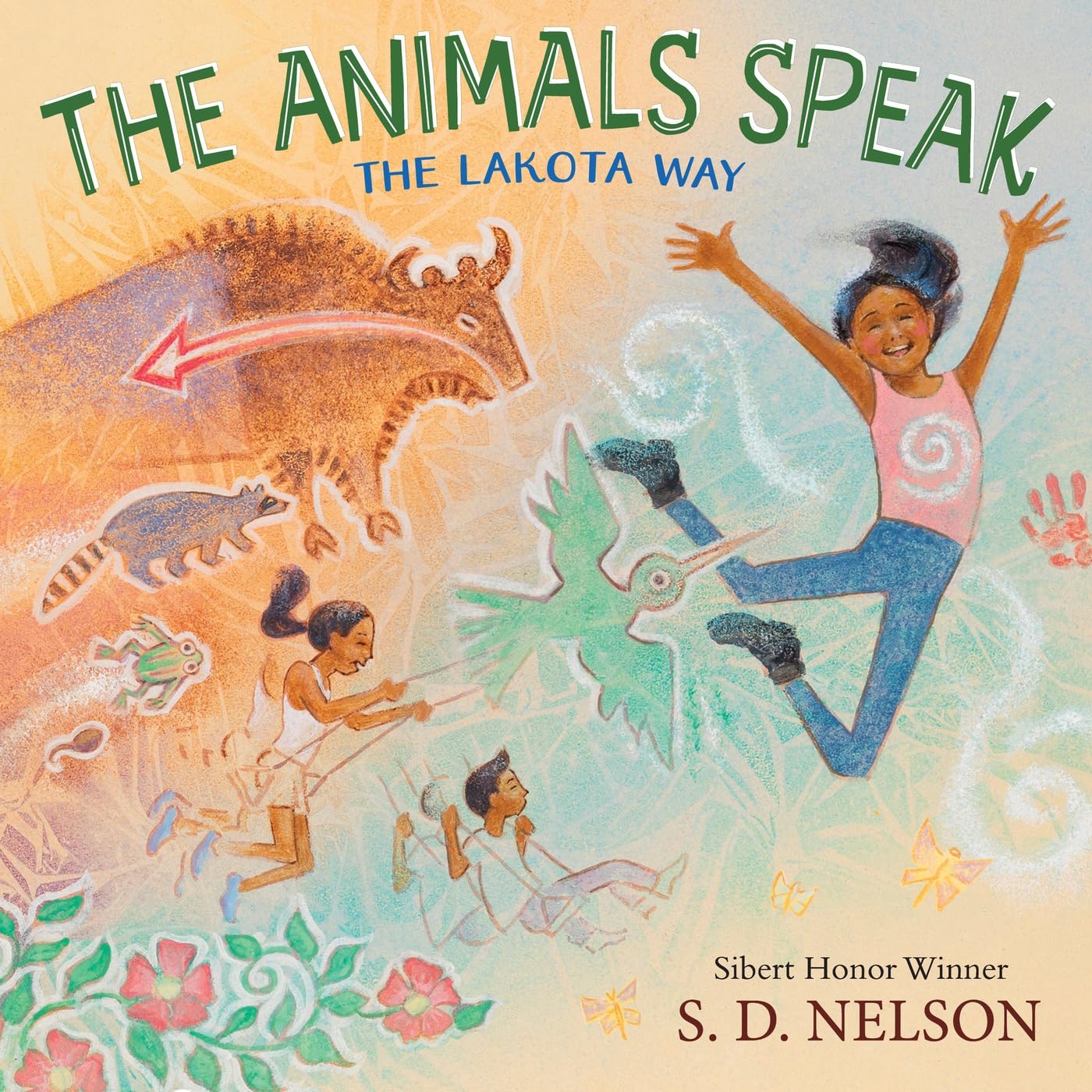
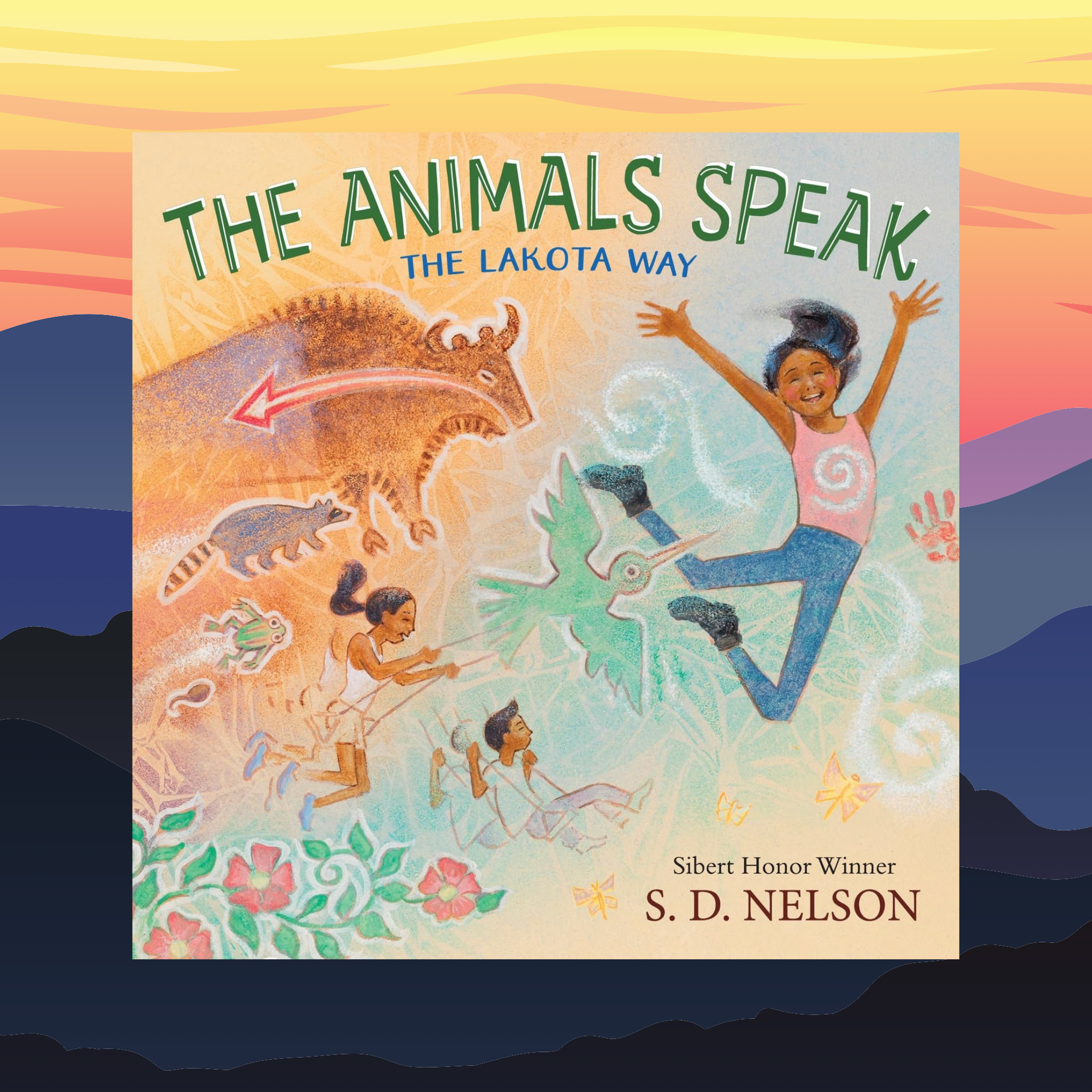
The Animals Speak: The Lakota Way / Wamákashkaŋ’iya: Lakhól Wichóh’aŋ Kiŋ

By S. D. Nelson | Translated by Dakota Goodhouse


“If you look with your eyes and listen with your ears, our animal relatives will share their ancient wisdom with you. A spirit line connects us as we journey together.” 

With this welcome to explore the world, S. D. Nelson Maȟpíya Kiny’An (Flying Cloud), Hunkpapa Lakota and a member of the Standing Rock Sioux Tribe, invites young readers to look to nature and embrace the lessons that “the wild ones”: “the Four-leggeds and the Winged beings of the air . . . the little Creepy-crawlies, the Water-beings, and the Green, Growing Things” have to impart to us “Two-leggeds” from their vast histories and experiences in sharing this world. In Lakota tradition, each member of nature can inspire us every day to live with the curiosity, courage, heart, humor, and values that help us along our life’s journey while connecting us to each other and the environment.
Text and illustration copyright © 2026 by S. D. Nelson. Courtesy of Abrams Books for Young Children.

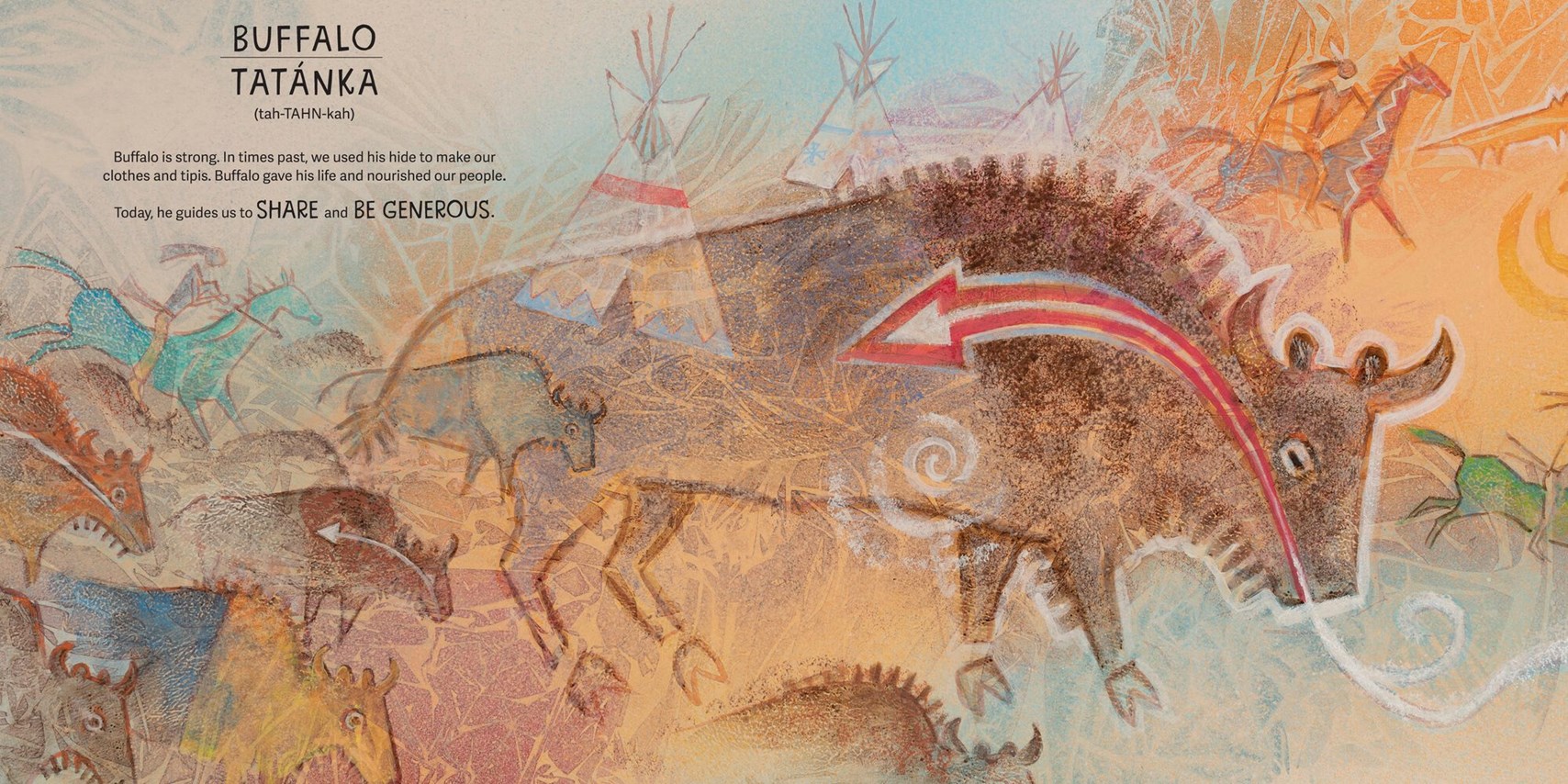
Beginning with “Buffalo Tatánka (tah-TAHN-kah),” that storied animal that once freely roamed the prairies, Nelson writes, “Buffalo is strong. In times past, we used his hide to make our clothes and tipis. Buffalo gave his life and nourished our people. Today, he guides us to SHARE and BE GENEROUS.” With her playfulness, “Otter Ptán (p’TAHN) . . . reminds us that SMILES and LAUGHTER are good for our hearts,” while “Butterfly Kimímela (kee-MEE-may-lah). . . shows us that CHANGE IS GOOD and to open ourselves to NEW WAYS.” Others remind us to keep our wits about us lest we be led astray by tricks or into danger, while still more speak to inspiration, insight, and new perspectives. 
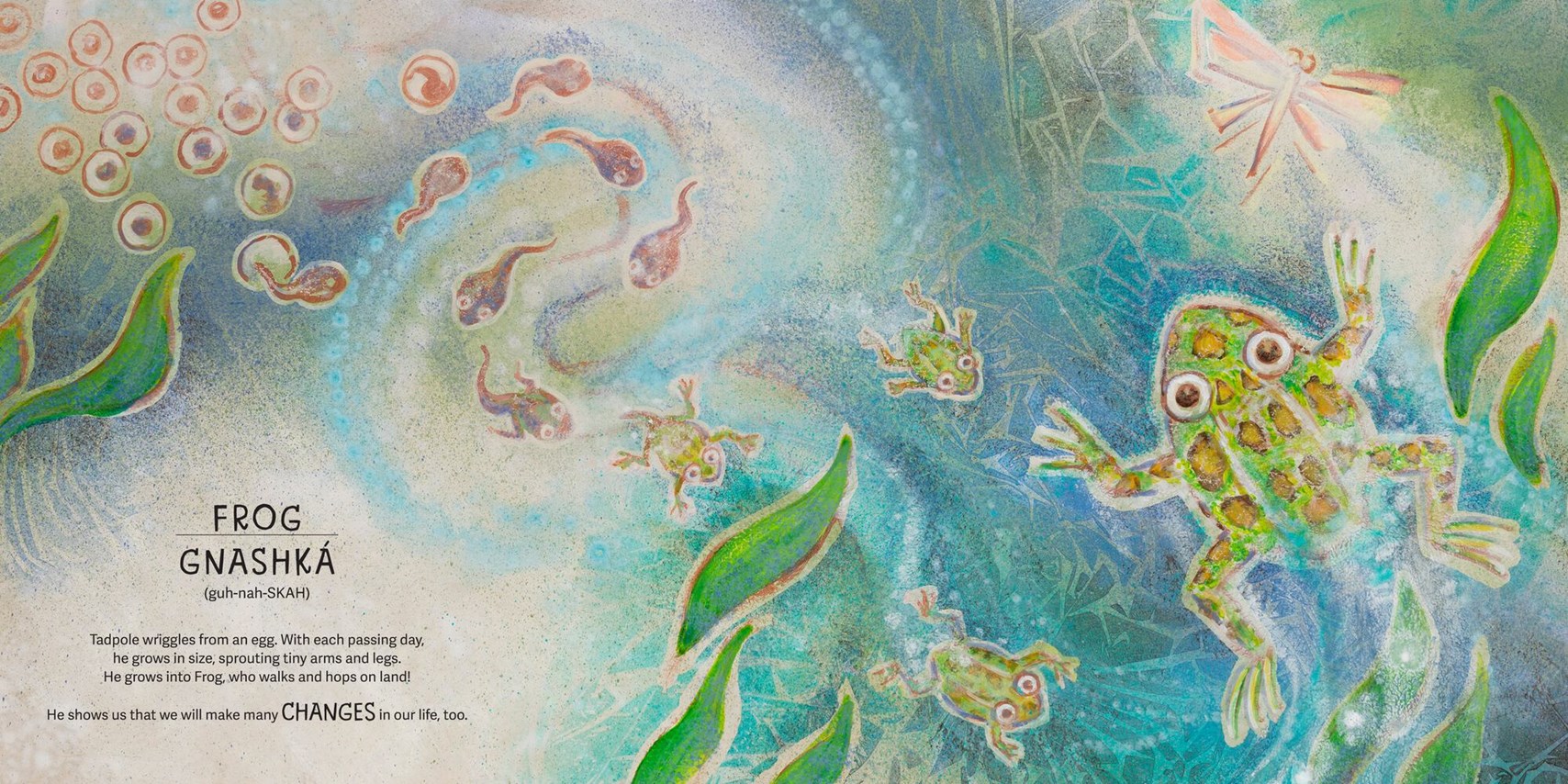
Text and illustration copyright © 2026 by S. D. Nelson. Courtesy of Abrams Books for Young Children.

Following the story, Nelson reverently and poignantly discusses Lakota traditions and beliefs about the spirit line and the all-encompassing, yet incomprehensible force “Wakán Tánka (wah-KAHN TAHN-kah)—the Great Mystery” that connect humans, animals, plants, and all aspects of nature as we journey together through life.

Nelson accompanies his lyrical text with illustrations of soft mottled and blended natural hues of acrylic paint that, as Nelson explains in his Author’s Note,  “. . . are inspired by traditional Lakota pictographs and ledger-book drawings, with their bold use of line, shape, and color. My Indigenous ancestors painted on animal skins, their tipis, their horses, and even their own faces. We still do! These stylized images include natural forms as well as abstract symbols.” Each page invites readers to linger to absorb and talk about all of the stunning imagery. 
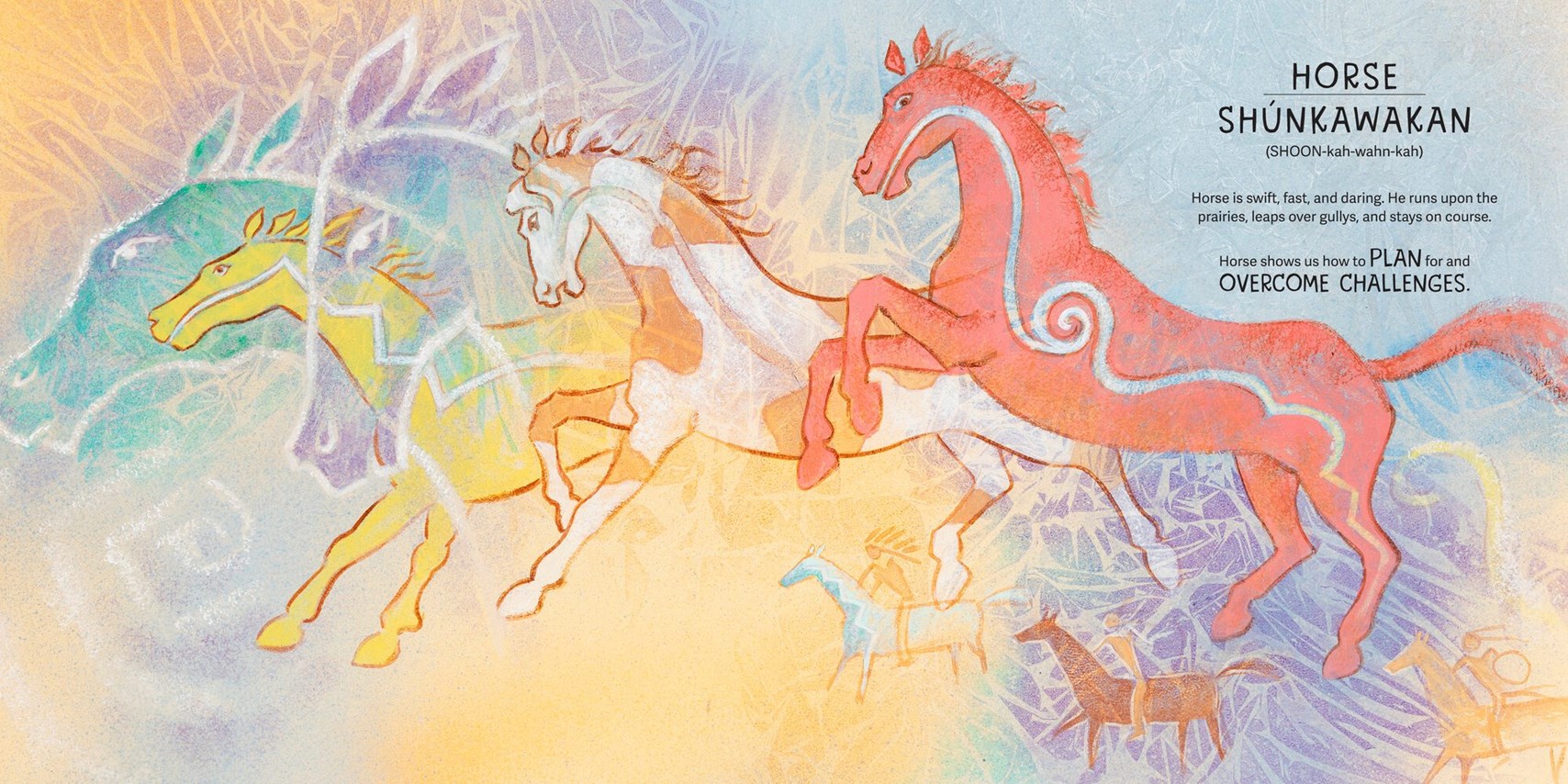
Text and illustration copyright © 2026 by S. D. Nelson. Courtesy of Abrams Books for Young Children.

The Animals Speak is a book that will change the way you look at the world—it’s animals, plants, people, and nature in general. While reading, one can feel—like a hug—the peace of interconnectedness, a happy perspective that can be incorporated into everyday life. This is a book to treasure and is a must for public, school, and classroom libraries as well as home bookshelves. It would also make a wonderful and much-loved gift.

Ages 4 – 8+

Abrams Books for Young Readers, 2026 | ISBN 978-1419764448

S. D. Nelson, Maȟpíya Kiny’An (Flying Cloud), is a member of the Standing Rock Sioux Tribe in the Dakotas and the author and illustrator of inspiring children’s books that celebrate Lakota and Indigenous cultures. Awards include an American Indian Library Association Honor Book, an ALA Robert F. Sibert Honor, and two Spur Awards from Western Writers of America. His original paintings are held in many national collections, including the Smithsonian Institution’s National Museum of the American Indian, Little Bighorn Battlefield National Monument, South Dakota State Historical Society, the Crazy Horse Memorial and State Historical Society of North Dakota. He lives in Cottonwood, Arizona. Visit him to see his many books and his art at sdnelson.net.

International Day of Happiness Activity

CPB - Happiness typography

Happiness Is . . . Game


Happiness is all around you! Grab one or more friends to play a game that reveals what things make you happy. Here are two ways to play and two possible endings for each game. Choose the one that will lead to maximum happiness for all! 

  1. Like the “Geography” game: the first player names something that makes them happy, the next player must think of something that starts with the last letter of the word the previous player said. The game continues with each player continuing the pattern. Players drop out as they cannot think of a word. The last player left is the winner. Or set a time frame to play and name no winner.
  2. Within a certain time limit (depending on age), players must think of something that makes them happy. Players drop out if they cannot think of a word within the time limit. The last player left is the winner. Or set a time frame to play and name no winner.
You can purchase The Animals Speak: The Lakota Way / Wamákashkaŋ’iya: Lakhól Wichóh’aŋ Kiŋ from these booksellers

Amazon | Barnes & Noble | Bookshop

Picture Book Review


March 14 – It’s Expanding Girls’ Horizons in Science and Engineering Month

About the Holiday

Expanding Girls’ Horizons in Science and Engineering Month was established in 2020 by the Expanding Your Horizons (EYH) Network. Founded in 1974 as a series of conferences aimed at promoting STEM careers to middle and high school girls, EYH provides hands-on activities, mentoring, and contact with role models as well as information about science and engineering fields.

Women still make up only 28% of the science and engineering workforce. With this month-long observance, the EYH Network hopes to make a significant impact on girls’ perceptions and career choices, encouraging them to explore and embrace STEM subjects​.

Thank you to Heyday and Barbara Fisch at Blue Slip Media for sharing a copy of I Love Salmon and Lampreys: A Native Story of Resilience with me!

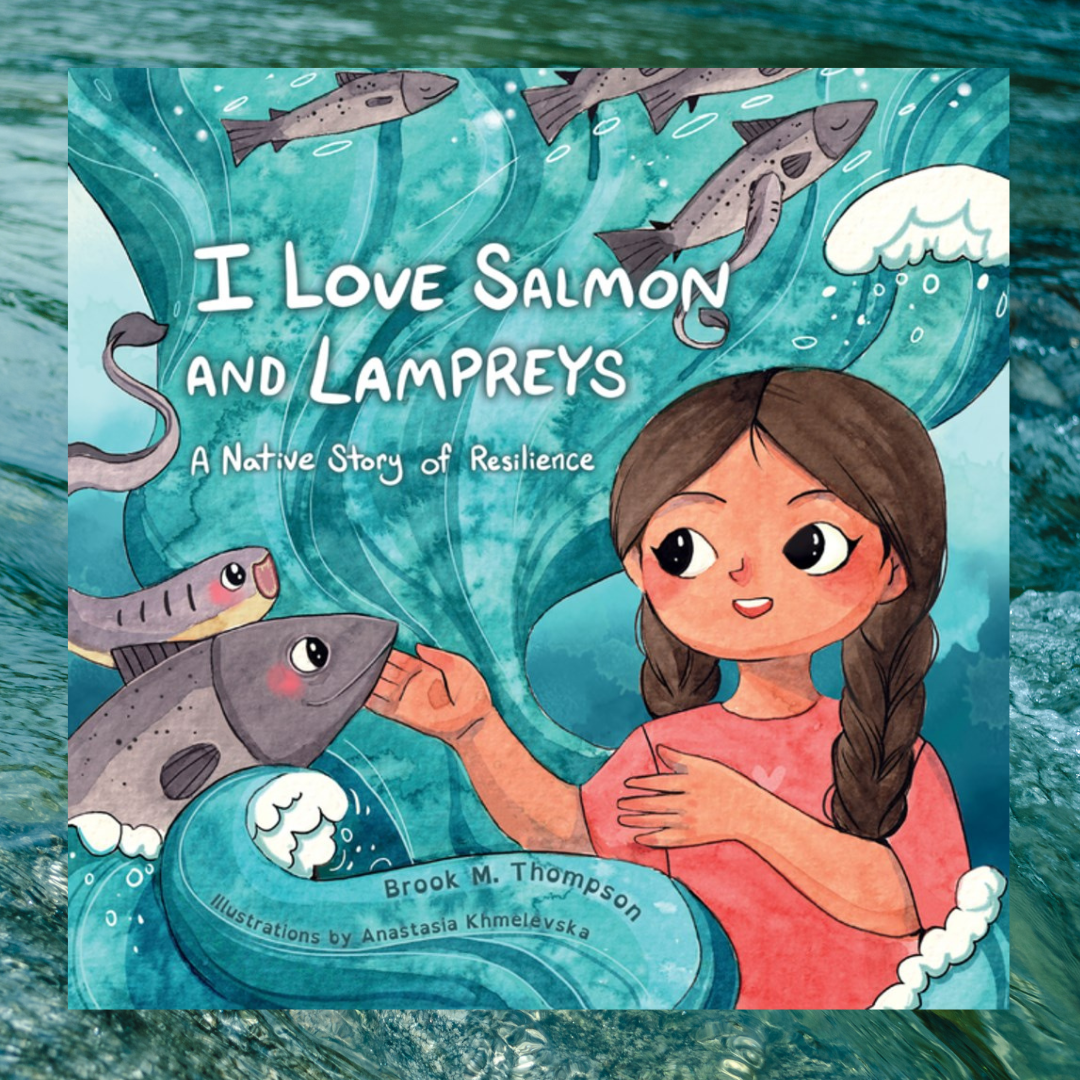
I Love Salmon and Lampreys: A Native Story of Resilience

Written by Brook M. Thompson | Illustrated by Anastasia Khmelevska


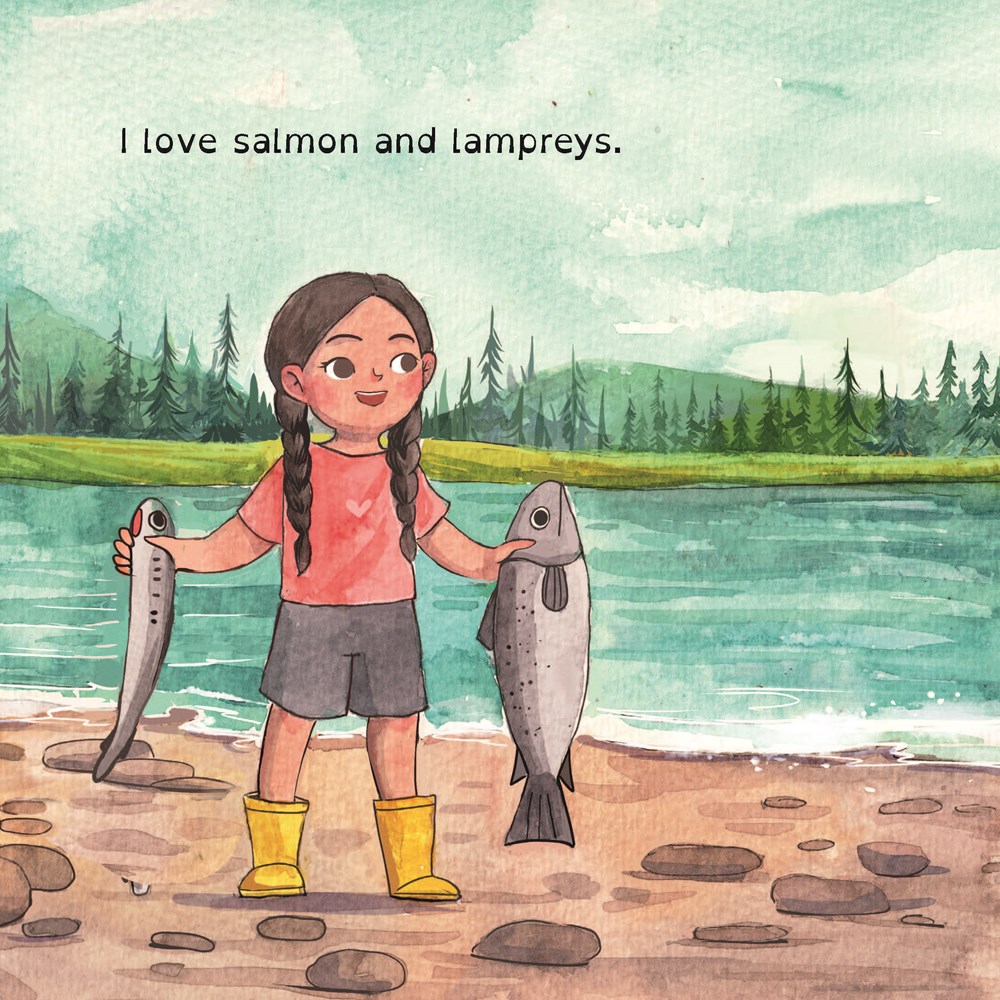
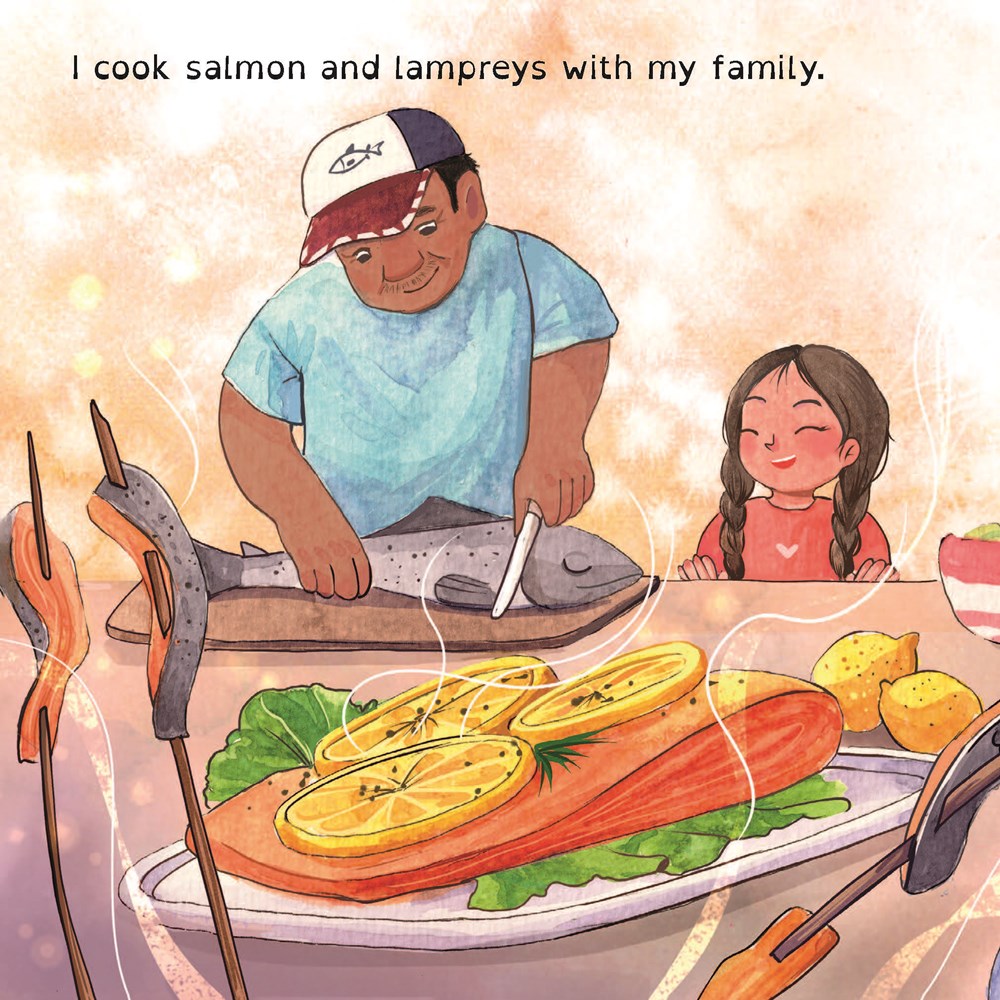
In her powerful autobiographical story, Brook Thompson, a member of the Yurok and Karuk Tribes, warmly invites readers to join her on her journey from childhood to the present day to experience her intense love for her tribes’ traditions and the fish that sustain them. Readers are first taken out on Brook’s family’s fishing boat, where her father and her grandfather tell stories of their own childhoods as they check the nets in their designated fishing spots along the Klamath River in Northern California. Then it’s back home to learn how Brook helps cook the fish (lampreys in the winter and salmon the rest of the year) in a wide variety of delicious ways.

Illustration © 2025 by Anastasia Khmelevska, text © 2025 by Brook M. Thompson. Courtesy of Heyday.

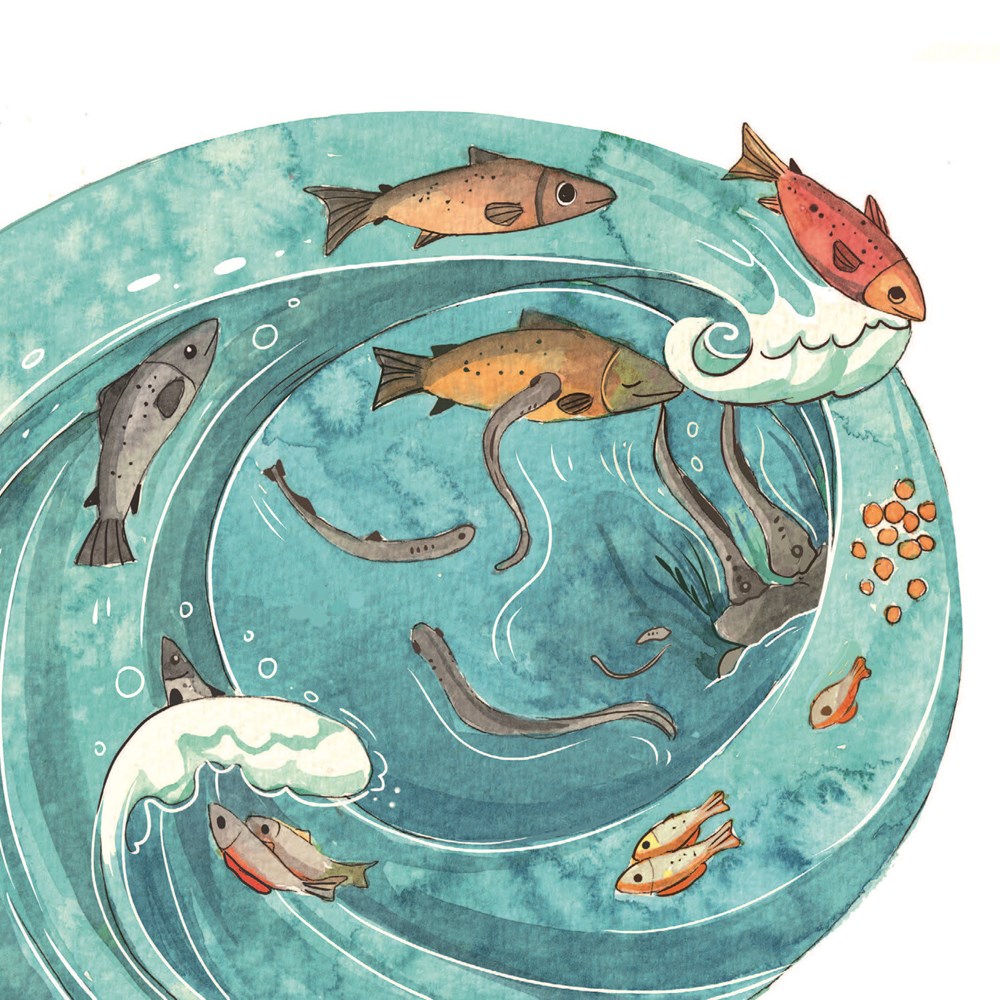
Salmon and lampreys are more than just food to Brook, however. They are creatures of the earth to be admired and honored. She tells readers about their life and spawning cycles, how they predate the dinosaurs, and even about their fascinating symbiotic relationship. For Brook, this love she feels is shared. She says, “I feel loved by salmon because years ago my ancestors took care of the salmon for their future family” and reveals that the fish in the river now “are the great-great-great-great-great-great-grandkids of the salmon who had a relationship with my great-grandparents.”

Illustration © 2025 by Anastasia Khmelevska, text © 2025 by Brook M. Thompson. Courtesy of Heyday.

In 2002, when Brook was still young, over 60,000 salmon perished from a parasite which spread when the water level of the river became too low and the temperature too hot due to the six dams erected on the river. She explains how dams “block the salmon’s way home” and how the warming water promotes the growth of toxic green algae, which affects the fishes’ breathing and spreads disease. 

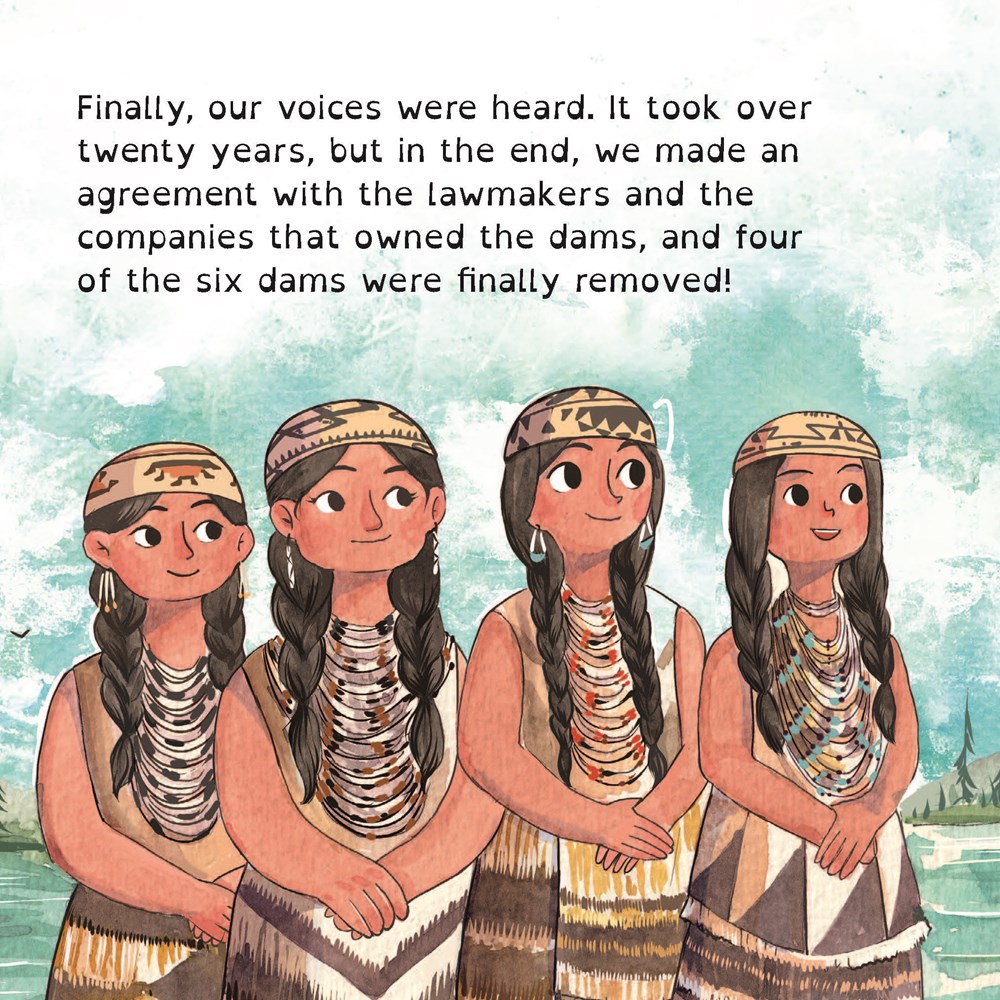
Brook joined protests by the tribal people and others, while scientists did research and local politicians lobbied for change. More than 20 years later agreements with the politicians and the companies that owned the dams were signed, and four of the six dams along the Klamath River were removed.

Illustration © 2025 by Anastasia Khmelevska, text © 2025 by Brook M. Thompson. Courtesy of Heyday.

As she grew into adulthood and inspired by her experiences, Brook set her eyes on higher education. She “went to college to learn about dams and about how to protect salmon in the future.” She became an engineer and a scientist who studies the interconnectedness of  “water, nature, people, animals, and buildings” and returned home to the Klamath River, where she continues the legacy of her ancestors in caring for the salmon, lampreys, and the environment.

Back matter includes Fun Facts about lampreys and salmon; photographs of Brook with salmon and at Iron Gate Dam, which was removed in 2024; a map of the Klamath River Watershed area; a note about the inspiration behind the book as well as the book’s font, OpenDyslexic, which makes it easier for those with dyslexia, like Brook, to read; and notes about the author and illustrator.

Illustration © 2025 by Anastasia Khmelevska, text © 2025 by Brook M. Thompson. Courtesy of Heyday.

Brook Thompson, in her compelling autobiographical story, will captivate children and touch their hearts. Thompson’s eloquent and straightforward storytelling immediately immerses readers in the Native relationship with nature and will inspire both young and adult readers to think deeply about how the earth sustains us and how we can show our appreciation in return. The theme of environmental justice and how citizens can and do make a difference is made personal through Thompson’s clear explanations of how the dams affected the salmon population and the long-term steps people took to reverse their damage. Thompson’s dedication—even from childhood—to her tribes, family, and future generations will impress readers. Children will also develop an understanding of how issues of interest to them now can inform their future endeavors.

Anastasia Khmelevska’s vibrant earth tone illustrations endear Brook to children through her evident passion for family, fishing, and the salmon and lampreys that have been a constant in her tribes’ lives. Her pacing and realistic depictions of people and events help children clearly understand the importance of each element of Thompson’s story from how the cyclical lives of salmon and lampreys are demonstrated in a swirling wave to the stunning landscapes highlight of the Pacific Northwest. These images make her depiction of the salmon die-off all the more impactful. Her final portrait of Brook Thompson coming home after earning her university degrees links her life to the salmon she loves so well. 

The combination of Native culture and environmental awareness makes I Love Salmon and Lampreys: A Native Story of Resilience a must addition to school and public libraries. The book offers extensive value and research opportunities for science and social studies classes. For families who care about the environment, sustainability, activism, and the future of our planet, I Love Salmon and Lampreys would be a much-loved choice.

Ages 4 – 8

Heyday, 2025 | ISBN 978-1597146685

About the Author

Brook M. Thompson is a part of the Yurok and Karuk Tribes. She is a neurodivergent and Two-Spirit author with dyslexia. She has a BS in civil engineering from Portland State University and an MS in environmental engineering from Stanford University, and she will soon have a PhD in environmental studies from University of California, Santa Cruz, where she studies water, politics, restoration, and salmon. You can find out more about her at brookmthompson.com.

About the Illustrator

Anastasia Khmelevska is an illustrator based in Lviv, Ukraine. She has illustrated several children’s books, including My Invisible Zoo, Marella the Mermaid, and Anything Helps. Follow her on Instagram @cute_miuu.

Expanding Girls’ Horizons in Science and Engineering Month Activities

Illustration © 2025 by Anastasia Khmelevska, text © 2025 by Brook M. Thompson. Courtesy of Heyday.

I Love Salmon and Lampreys Activity Pages

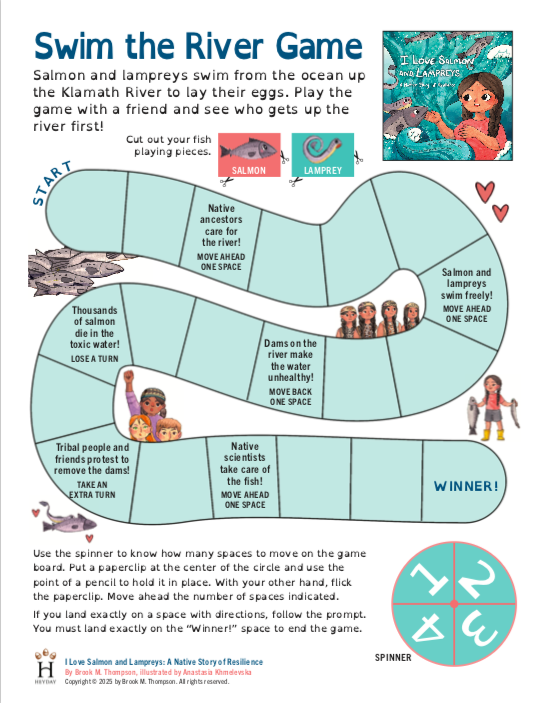
Play a printable board game, write about your dreams for the future, and learn fun facts about salmon and lampreys with these three I Love Salmon and Lampreys Activity Pages!

Chinook and Coho Salmon Coloring Pages

Coho and Chinook Salmon are vital to the Pacific Northwest. You can learn more about California salmon at caltrout.org. Enjoy these coloring pages of coho and chinook salmon. Colored images are included for your reference.

Chinook Salmon Coloring Page | Colored Image of Chinook Salmon

Coho Salmon Coloring Page | Colored Image of Coho Salmon

You can purchase I Love Salmon and Lampreys: A Native Story of Resilience at these bookstores

Amazon | Barnes & Noble | Bookshop

Picture Book Review