June 3 – Repeat Day

celebrate-picture-books-picture-book-review-follow-follow

About the Holiday

Remember how your brother or sister or friend used to repeat everything you said? Everything you said? Well, that has been made into a holiday! Today gives you the perfect excuse to do your favorite things twice! Go ahead, have two lattes, watch your favorite show twice, listen to an album over again! Whatever you do, just remember to double up on it!

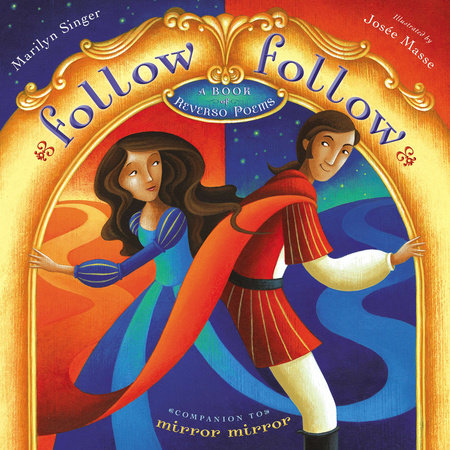
Follow Follow: A Book of Reverso Poems

Written by Marilyn Singer | Illustrated by Josée Masse


When you ask someone, “Can you repeat that?” they often use the exact same words so you understand what they want to tell you. But what if the exact same words could have completely different meanings? That’s the brilliant concept behind Follow Follow. In this ingenious book, 17 classic fairy tales are told in verse (and reverse) from two opposing points of view that will forever change the way you think about exchanges of ideas and dialogue.

In Your Wish Is My Command, Aladdin and the Jinni trade wishes and their view of what freedom means. Six lines from this clever poem read from Aladdin’s perspective: “I no longer wish to be a slave / to lords, magicians, merchants, other urchins. / Jinni of the Lamp, / I am just a poor / young knave. / Give me all I crave.”

And then from the Jinni’s perspective: “Give me all I crave, / young knave. / I am just a poor / Jinni of the Lamp. / To lords, magicians, merchants, other urchins, / I no longer wish to be a slave.”

The Emperor’s New Clothes loses none of its impact in Birthday Suit, a humorous abbreviated telling from the King’s ego-centric thoughts and the little boy’s stunning revelation.

Just as the original tale of The Golden Goose presents a princess who can’t help but laugh at the ridiculous parade going by her window, Silly Goose reveals both sides of the princess’s personality.

Ready, Steady, Go! gets into the heads of both the too-clever-for-his-own-good rabbit and his persevering competitor of The Tortoise and the Hare. The lounging hare thinks: “That ridiculous loser! / I am not / a slowpoke. / Though I may be / the smallest bit distracted, / I can’t be / beat. / I’ve got rabbit feet to / take me to the finish line.” While the tortoise urges himself: “Take me to the finish line! / I’ve got rabbit feet to / beat. / I can’t be / the smallest bit distracted. / Though I may be / a slowpoke, / I am not / that ridiculous loser.”

Will the Real Princess Please Stand Up? peeks into two bedrooms where would-be brides to the prince slumber. One exclaims, “This bed rocks! / I feel like I’m sleeping on feathery flocks,…” but the other complains, “feathery flocks? / I feel like I’m sleeping on / rocks.” Who will win the heart of the prince?

The Little Mermaid, Puss in Boots, The Pied Piper of Hameln, Thumbelina, The Three Little Pigs, The Nightingale, and The Twelve Dancing Princesses are also touched with Marilyn Singer’s magic wand of poetry. Under her spell the perfect choice and placement of words combined with a simple change of punctuation can send the verse swirling in the opposite direction with surprising results. As readers encounter each fairy tale, they’ll wonder, “How does she do it?” But there’s no time to ponder—another terrific tale follow follows!

Like being on the cusp of competing realities, Josée Masse’s vibrant illustrations deftly represent the viewpoints of the mirrored verses. On either side of a subtly split page, the opposing characters tell their side of the story amid contrasting color schemes and flowing lines that bridge the divide. In Your Wish Is My Command, Aladdin dreams in his rooftop window of riches and freedom while the Jinni floats away from his lamp over golden rooftops. On with the Dance makes clever use of the half-page design as the king ponders the condition of his daughters’ shoes while they are pictured dancing in a regal hall that doubles as the king’s crown.

Follow Follow would be a welcome addition to any fairy tale or poetry lover’s bookshelf. And since Marilyn Singer and Josée Masse really know what Repeat Day is all about, you’ll want to check out their other books: Mirror Mirror: A Book of Reverso Poems and their newest, Echo Echo: Reverso Poems about Greek Myths.

English and language arts teachers will also find these volumes to be a wonderful way to teach point of view.

Ages 5 – 11 and up (anyone who loves fairy tales will want to read this book)

Dial Books, Penguin Group, 2013 | ISBN 978-0803737693                                                         

Repeat Day Activity
celebrate-picture-books-picture-book-bookmark-craft

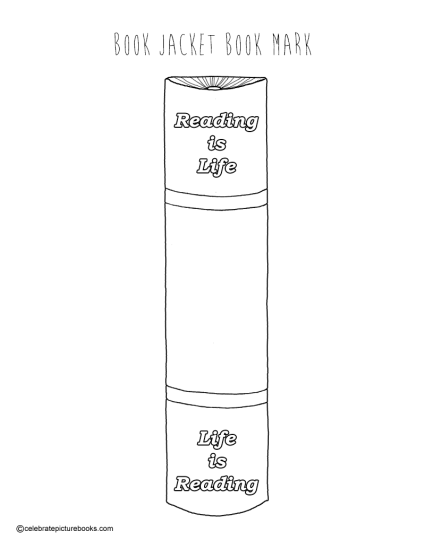
Book Jacket Bookmark


When a book is long, you can’t always finish it in one sitting. If you forget where you left off, you can often find yourself reading the same section twice. That’s okay—especially on Repeat Day!—but this bookmark will help you remember your place and get you reading again in style!

Supplies

  • Printable Book Jacket bookmark 
  • Colored pencils or markers
  • Poster board
  • Scissors
  • Glue

Directions

  1. Color your bookmark in your own unique style
  2. Cut the bookmark out
  3. Glue it to poster board if you’d like to make it more durable

June 2 – Leave the Office Earlier Day

celebrate-picture-books-picture-book-review-the-secret-subway

About the Holiday

The brain child of Laura Stack, a specialist in employee motivation, Leave the Office Earlier Day urges a look at how employees and employers use the working hours of the day to best advantage. Today’s holiday motivates employees to finish their tasks before schedule by making a conscious effort to increase efficiency and productivity. Greater cooperation between workers and their bosses can lead to less downtime and more success. To celebrate today’s holiday, employees can ask their bosses if they can leave the office once their work is truly and well finished. Employers may want to allow their workers to leave as soon as they have completed all their tasks. Both sides may find this tactic improves productivity and creates a more positive work environment.

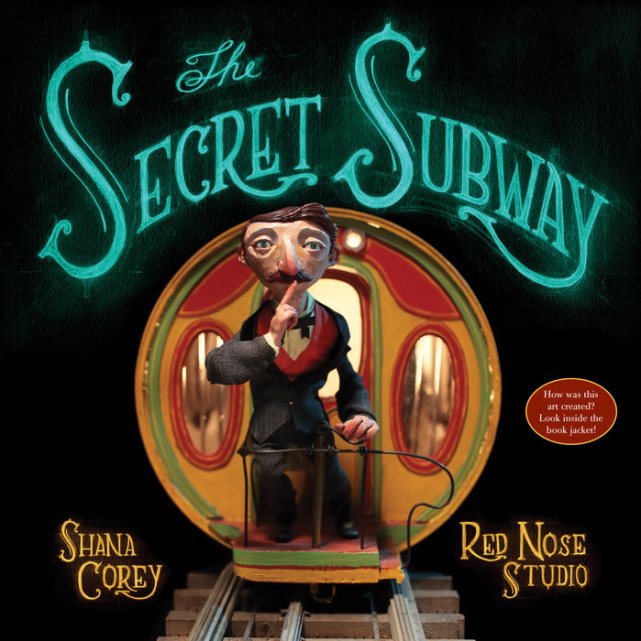
The Secret Subway

Written by Shana Corey | Illustrated by Red Nose Studio (Chris Sickels)


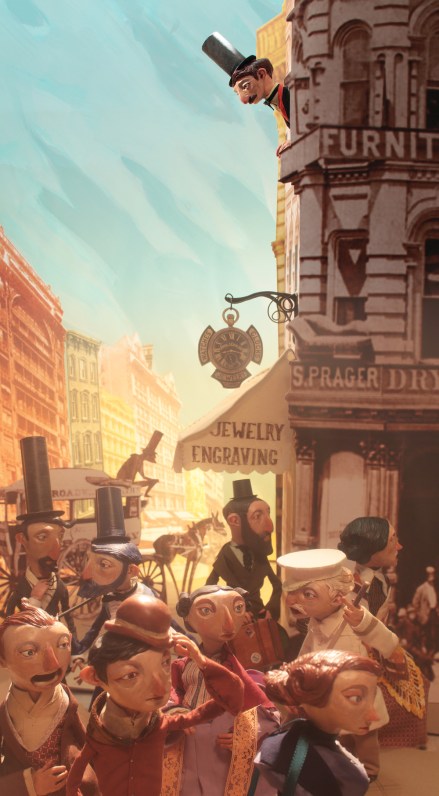
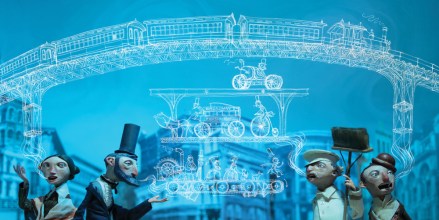
In the 1860s the streets of New York were…well, not to put too fine a point on it…disgusting. Cobblestone and filled with trash, waste, horse manure, dust, dirt, and throngs of people, the roads made for rough travel. Many people had ideas about what could be done to make the streets safer and cleaner. Some thought a moving sidewalk would work, others talked about double-decker roads or an elevated train system. But although there was a lot of talk, nothing ever got done.

celebrate-picture-books-picture-book-review-the-secret-subway-city

Image copyright Chris Sickles, courtesy of rednosestudio.com

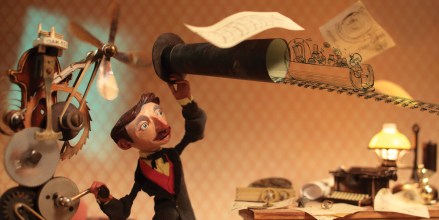
Alfred Ely Beach, however, peered down from his high office room and studied the street below him. Alfred Beach was a thinker, a publisher, and an inventor. He put his clever mind to work and came up with a solution. He envisioned a train powered by an enormous fan that would travel underground. “People would get where they needed to go as if by magic!” he thought. He couldn’t wait to start building. There was just one problem—he didn’t own the streets. And getting permission to dig them up would be hard. “So Beach hatched a sneaky plan. He would propose building an underground tube to carry mail instead.” As he had imagined, no one objected to this project when he proposed it—not even Boss Tweed, who unofficially ran the city.

celebrate-picture-books-picture-book-review-the-secret-subway-designing

Image copyright Chris Sickles, courtesy of rednosestudio.com

Given the okay, Beach rented the basement of Devlin’s Clothing Store. Every day he sent in workers to dig and every night wagons took away the debris. For 58 days and nights Beach’s men tunneled under the city, moving forward 8 feet each day. At last the tunnel was finished. It was 8 feet across and 294 feet long—large enough to hold a train full of people.

Beach then decorated the basement to be a beautiful, welcoming waiting room. Gaslight lamps and paintings dotted the walls, flowers added color, and a grandfather clock rang out the time. There was even a fountain with goldfish, a man playing a grand piano, and a delicious lunch. When everything was ready, Beach invited reporters, government officials, and distinguished citizens to join him on February 26, 1876 at the “Beach Pneumatic Transit Company.”

celebrate-picture-books-picture-book-review-the-secret-subway-designing

Image copyright Chris Sickles, courtesy of rednosestudio.com

That first day Alfred Beach’s guests only admired the train, but they gave it glowing praise. Soon Beach opened his train to the public. With a WHOOSH of a gigantic fan, the train zipped down the track and then back again. “Beach’s train was a SENSATION! All winter while wagons slipped and slid on the slushy streets above, people poured into Devlin’s for the twenty-five-cent ride.”

While riders loved it, some people objected. Shop keepers didn’t want potential buyers underground. Property owners were afraid the digging would hurt their buildings, and some felt Beach wanted too much power. Even Boss Tweed no longer supported it since some of his friends had their own ideas on building a subway. When the governor of New York refused to let Beach expand his train, the project came to a halt.

celebrate-picture-books-picture-book-review-the-secret-subway-invites-riders

Image copyright Chris Sickles, courtesy of rednosestudio.com

The idea didn’t die, however, and “many years later drilling could be heard once again under the streets of New York City” as a train system powered with electricity was being built. Diggers discovered many unusual things buried under the city. Perhaps the most surprising was a brick wall behind which stood a little railroad car rusting in its tracks, a memorial to innovation and the future.

Alfred Ely Beach was one clever man, and Shana Corey tells his story with historical perspective, wit, and suspense. Corey’s language crackles with evocative alliteration, stealth, and action. Kids will be excited to learn of the intrigue and imagination that led to this remarkable snippet of America’s history.

Fans of Claymation will love Chris Sickels’ multimedia artwork that combines sculpted characters, specially built props, photographs, and illustration. Sickels’ characters are nothing short of astounding. Their period clothing, hairstyles, and expressive faces lend an engaging and realistic dimension to the vintage scenes. Sickels cleverly depicts early New York City and people’s alternative ideas to the traffic problem. His use of color and lighting sets the perfect tone for this highly entertaining and educational picture book. Kids will want to linger over each page to catch all the details of The Secret Subway.

Ages 4 – 10

Schwartz & Wade, Random House Kids, 2016 | ISBN 978-0375870712

Leave the Office Early Day Activity


celebrate-picture-books-picture-book-review-the-secret-subway-chris-sickels-craft

Chris Sickels’ Secret Subway


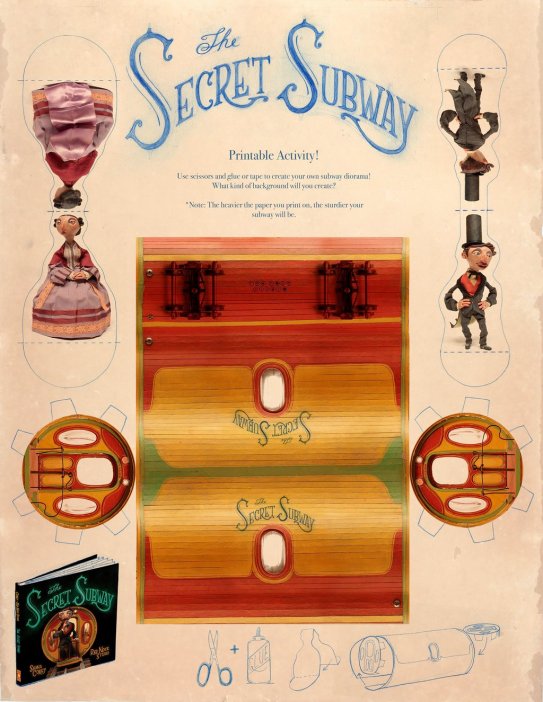
Chris Sickels of Red Nose Studio invites you to build your own Secret Subway with this printable play set, complete with Alfred Ely Beach and a passenger! Click here to download your printable Secret Subway Activity!

Build a Super Subway Car

celebrate-picture-books-picture-book-review-subway-car

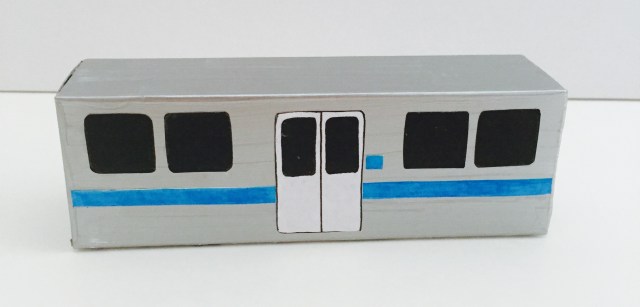
Every day, millions of people all over the world travel to work, school, and other activities by subway. Here’s an easy and fun way to build your own subway train from recycled materials. You can make just one car or make a few and connect them to create a long train worthy of any big city!

Supplies

  • Printable Subway Car Template
  • Medium or long toothpaste box
  • Silver paint
  • Glue
  • Paintbrush
  • Scissors

Directions

  1. Paint the toothpaste box with the silver paint, let dry
  2. Cut out the windows, doors, and stripe templates
  3. Trim the stripes to fit your box
  4. To make the little sign near the door, trim a small aquare from one of the stripes
  5. Glue the templates to the box

Picture Book Review

May 29 – Learn about Composting Day

celebrate-picture-books-picture-book-review-compost-stew

About the Holiday

Composting is a wonderful way to use organic waste to help the environment. Whether you keep a small composting container in your kitchen, set aside a pile in the corner of your yard, or invest in a compost tumbler, letting non-meat or dairy kitchen scraps, outdoor vegetation cuttings, and even hair or dryer lint decompose into nourishing soil additives will make your garden grow bigger and better!

Compost Stew: An A to Z Recipe for the Earth

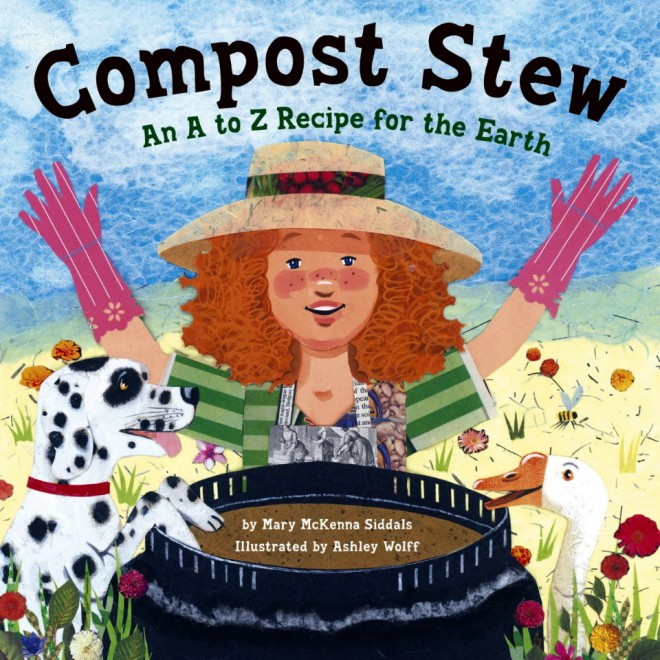
Written by Mary McKenna Siddals | Illustrated by Ashley Wolff


“Environmental chefs, / here’s a recipe for you / to fix from scratch / to mix a batch / of Compost Stew.” This clever alphabet book reveals the ABCs of gathering the perfect ingredients for a compost pile, which creates a nutritious meal for gardens, flower beds, and the environment:

“Apple cores / Bananas, bruised / Coffee grounds with filters, used / Dirt clods, crumbled / Eggshells, crushed / Fruit pulp left behind, all mushed / Grass clippings / Hair snippings / and an Insect or two / Just add to the pot / and let it all rot / into Compost Stew.”

The catchy rhymes and easy-to-follow directions will make kids excited about saving left-overs, raking up fallen leaves, and shredding paper to add to the pile. Readers may also be surprised by some of the other items that will decompose to make rich soil, such as seaweed, laundry lint, and teabags. Three simple steps for cooking up compost stew follow the alphabet, and create a refrain that kids will love to repeat.

Mary McKenna Siddals brings the science of composting and recycling to kids in a fun, interactive way. Children may even like to think of their own ingredients for each letter of the alphabet. The author’s note at the end of the book reveals substitute ingredients as well as items that are not appropriate or safe for composting.

Ashley Wolff’s brilliant, textured collage artwork depicts four multicultural kids (along with their helpful Dalmatian and goose) gathering the ingredients for their compost bag wherever they are—in the yard, in the kitchen, at the hair salon, at the beach, and more.

Kids interested in gardening and environmental issues will love to have Compost Stew on their bookshelf.

Ages 3 – 8

Dragonfly Books, Random House, 2014 | ISBN 978-0385755382

Learn about Composting Day Activity

celebrate-picture-books-picture-book-review-composting-word-search

Creative Composting Word Search


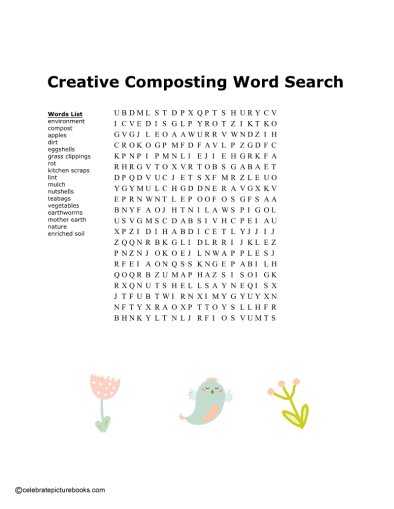
Composting takes individual ingredients and combines them to create nourishing soil. Can you find the words that relate to this environmental science in this printable Creative Composting Word Search? Here’s the Solution.

Picture Book Review

May 22 – National Maritime Day

celebrate-picture-books-picture-book-review-toy-boat

About the Holiday

National Maritime Day commemorates the day in 1819 that the steamship Savannah sailed from the United States to England. This event marked the first successful crossing of the Atlantic Ocean by steam propulsion. The US Congress proclaimed May 22 National Maritime Day in 1933. The day gives us an opportunity to honor the ships and seafarers who have served our country in peacetime and during war and to remember the benefits the maritime industry.

Toy Boat

Written by Randall de Sève | Illustrated by Loren Long


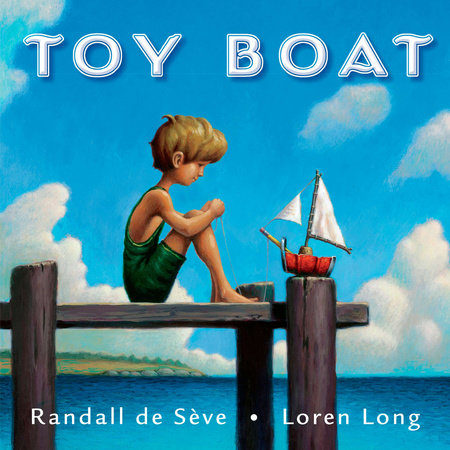
A little boy makes a toy boat from a can, a cork, a pencil and some white cloth. He loves his boat and carries it with him everywhere. Every day the boy takes his boat to the lake and sails it all afternoon. The boy always keeps his toy boat on a string so he won’t lose it. The boat feels secure, but sometimes it gazes out at the big sailboats gliding across the lake and wonders “what it would feel like to sail free.”

One afternoon a squall blows up on the lake, and the boy’s mother pulls him quickly from the edge of the thrashing water. Startled, the boy drops the string and his toy boat floats away. The boat is buffeted by the wind and rain and is carried into deep water where it rides the crests of the wind-whipped waves. As the storm subsides a tug chugs along, pushing the little boat further aside.

The tiny craft rights itself just in time to avoid being sunk by a ferry that blows its horn, warning, “Move Along!” But the tug and the ferry aren’t the only dangers on the water. A fierce speedboat roars past, its engine screaming, “Move Along!”, and its draft sending the little boat reeling. The toy boat feels small and scared as it drifts into the middle of a fleet of sailboats racing to port. For a moment the toy boat and a large sloop “cut through the choppy waves side by side. And the little toy boat felt big. Then the white boat tilted high on its side, spraying the little toy boat with water, warning, “Move along!”

Half drowned and its sail soaked, the little toy boat misses the boy. It bobs all night on the open water, “alone and scared.” As the sun rises an old fishing boat, dented and with peeling paint, put-puts by. It spies the little boat and, knowing how it feels to be pushed around, begins to circle the tiny craft. In the fishing boat’s wake, the toy boat turns and catches the wind in its sail. Soon it is sailing alongside the fishing boat.

“The little toy boat felt strong! ‘I am moving along,’ it shouted to the wind.” The little boat feels so good that it doesn’t realize it is now sailing alone or that it is nearing the shore, where the little boy is watching out for it. When the boy shouts, “Boat! Boat!” the now brave craft waves its sail excitedly and sees the boy wave back.

That night the little boat sails bathtub seas and sleeps on a soft mattress. The next day the boy takes the boat back to the lake, and while he still holds the boat by a string, every so often he lets go, and the little toy boat always comes back. “It knew just where it wanted to be.”

Randall de Sève’s tale of independence sought and found by both the little boat and the boy will resonate with both children and adults. The safety of the “string” set against the perceived freedom of older or bigger others is a universal and on-going rite of passage for every child and their parents and is treated by de Sève with gentleness and understanding. The various dangers and even personalities children meet with are introduced here allowing kids to see that while they may be buffeted by change or adversity, they will not sink.

Loren Long lends his well-known artwork to this story in beautiful two-page spreads that depict the security of first the small bathtub and then the calm lake as well as the storm-tossed waves that take the toy boat into unknown territory. The smallness of the toy boat compared with the size of the tug, ferry, speedboat, and racing sloops well reflects the experiences of children in the wider world. When the friendly face of the fishing trawler comes on the scene, kids will identify with the toy boat and realize help and support are out there and that they are always welcomed home with love.

Ages 3 and up

Philomel Books, Penguin Young Readers, 2014 (board book edition) | ISBN 978-0399167973

National Maritime Day Activity

celebrate-picture-books-picture-book-review-maritime-flag-puzzle


Show Your Colors! Word Puzzle


While ships can’t talk to each other, they can communicate using a system of flags. These colorful flags carrying different designs are recognized internationally as representing letters and symbols. Individual flags have specific meanings related to safety, emergency, or warning issues or they can be combined to form a code that only certain ships can understand.

Use the provided maritime flags code to decipher a special message! Print the Show Your Colors! word puzzle and get decoding! Here’s the Solution!

March 17 – Absolutely Incredible Kid Day

The Incredible Book Eating Boy by Oliver Jeffers Picture Book Review

About the Holiday

Every kid is incredible! This special day, established by Camp Fire USA in 1997, gives adults an opportunity to tell the kids in their life how much they mean to them. Whether you write your special young person a letter or just sit down and have a heart-to-heart talk, your words of encouragement and appreciation will make a difference.

The Incredible Book Eating Boy

By Oliver Jeffers


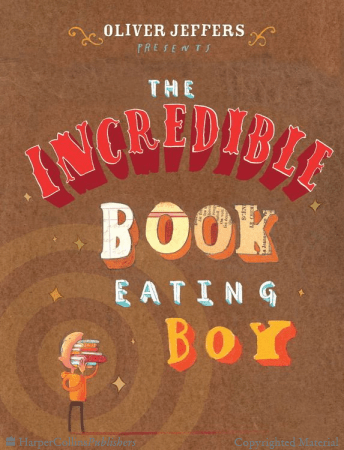
Henry is a little boy who loves books. He loves them for dinner, he loves them with French fries…Wait! What? Yup! Henry loves to eat books! This quirk all began by mistake when Henry isn’t paying attention. But his love of words grows until he’s eating a sentence then a page and finally a whole book!

Henry doesn’t have a favorite kind of book either. He’ll eat anything—even math books and dictionaries. And he’s eating them as if they’re going out of style! Henry discovers something amazing about his diet—with every book he devours, he gets smarter. He digests every bit of information, which comes in handy when helping his dad with the crossword puzzle or his teacher in school.

If a few books can make him smart, thinks Henry, then a lot of books can make him smarter—possibly the smartest person in the world! And so he tests his hypothesis. He eats every book he sees. But things begin to go wrong. He has nightmares; his stomach hurts; and in a frightening twist everything he knows gets jumbled up. Suddenly, Henry doesn’t feel so smart anymore.

After getting some advice, Henry gives up books cold turkey. He feels lost and out-of-sorts. Then he spies a half-eaten book on the floor of his room and picks it up. Instead of eating it, though, he opens it and begins to read. And that book tastes was sooo good! Henry discovers that he loves to read, and figures if he reads enough he may still become the smartest person on earth. Besides…broccoli is actually pretty tasty.

In this picture book about the love of reading, Oliver Jeffers has created a feast for the eyes as well as an extended pun. The story of Henry devouring book after book in the quest for brilliance is played out in typewriter text on a backdrop of various colors of notebook paper, book pages, graph paper, book bindings, maps, ledger pages, and more. Henry is as adorable as all of Jeffers’ kids, and the story is funny and as satisfying as your favorite meal. The page (and cover) cut at the end of the book leaves the reader happy that maybe, just maybe Henry didn’t give up his favorite snack entirely.

Philomel Books, Penguin Young Readers, 2006 | ISBN 978-0399247491

Absolutely Incredible Kid Day Activity

CPB - Bookend 1

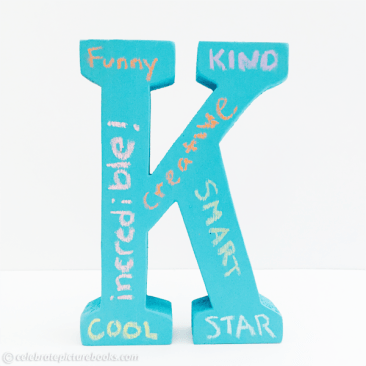
 Absolutely Incredible You Bookend


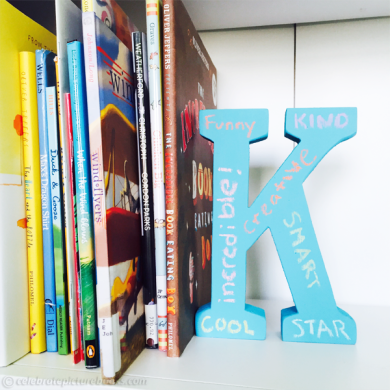
Do you devour so many books that they’re falling off your shelves? Keep them neat with a bookend that’s as incredible as you are!

Supplies

  • Wooden initial of your first and/or last name, available at craft stores
  • Chalkboard paint in your favorite color
  • Paint brush
  • Chalk

CPB - Bookend 2

Directions

  1. Paint the wooden letter with the chalkboard paint
  2. Let dry
  3. With the chalk, write words that describe what makes you absolutely incredible!