July 21 – It’s National Culinary Arts Month

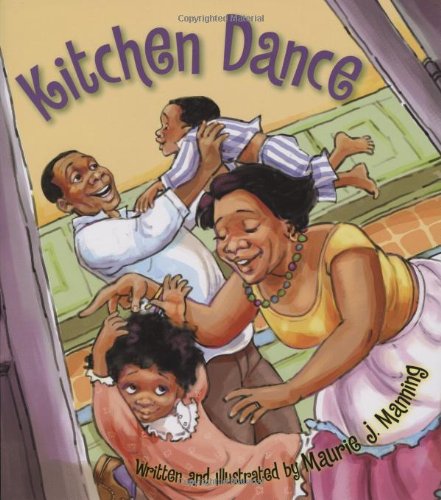
celebrate-picture-books-picture-book-review-kitchen-dance-cover

About the Holiday

Culinary arts from entrees to desserts and everything in between are celebrated during July. Whether you like going out to restaurants or staying in for a home-cooked meal remember to thank the chef for their time and talents!

Kitchen Dance

By Maurie J. Manning


A little girl wakens to sounds coming from the kitchen—“Glasses clinking. Water swishing. Forks clattering.” Then more personal sounds—humming, laughing, and “hush!” The girl slips out of her blankets and climbs to the top bunk to wake her brother, Tito. Together they tiptoe downstairs and peek through the kitchen door. “A bright skirt flashes by! Four feet fly!”

With a wooden spoon microphone the kids’ father sings, “Cómo te quiero! Oh, how I love you. Umm, hmm.” Juggling stacked plates in one hand while using the other to dance hand-in-hand, the kids’ parents glide, slide, and twirl around the kitchen floor. Laughing, their mom closes cabinet doors with a bump of her hips as she spins into her husband’s arms “then out again, like a yo-yo on a string.”

celebrate-picture-books-picture-book-review-kitchen-dance-interior-art-dancing

Image copyright Maurie J. Manning

Pots and pans find their storage space with a swirl and a dip while another is dried with the swish of a towel. Around the kitchen the couple dances, “feet tapping, water dripping, sponge wiping, towel snapping.” While singing, “they tango across the room with the leftover tamales.” As they turn toward the door, Mama glimpses her little ones. The kids squeal and start to run, but Papa swings open the door—“Hola!” He pulls Tito into his arms, while Mama catches her tiny daughter.

As the four whirl around the kitchen, Tito and his sister sing into wooden spoons, “Cómo te quiero! Oh, how I love you!” They “twirl around and around in a circle of family.” The dance slows to a gentle swaying as Tito and his sister grow sleepy. Mama and Papa carry their drowsing children upstairs and cover them once more under their cozy blankets. “Cómo te quiero,” Papa whispers. “Besitos, mi’ja,” Mama says “Sweet dreams.”
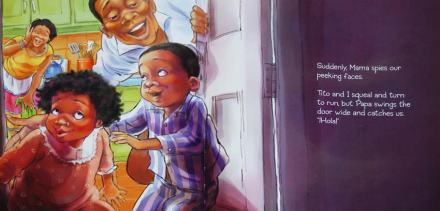
celebrate-picture-books-picture-book-review-kitchen-dance-interior-art-kids-caught

Image copyright Maurie J. Manning

Maurie J. Manning’s sweet story of a private moment between parents that becomes a celebration of family love offers a fresh, fun, and lively glimpse of the small events that contribute to real connectedness. Telling the story from one of the children’s point of view adds a deeper level of understanding and recognition that of the strong bond between the parents. The repeated phrase, “Cómo te quiero! How I love you!” is reassuring and allows kids to read along with the book’s most important theme.

Manning’s vivacious and vibrant illustrations bring to life the swirling energy of the text. Tito and his sister creep downstairs in a house bathed in shadow only to open the door to flashing yellow, green, purple, and orange brilliance. The scenes of Mama and Papa dancing together, using a wooden spoon as a microphone and pot lids as cymbals as well as twirling hand in hand while balancing stacks of dishes are filled with happiness, and the  picture of the two tangoing with tamales will make kids giggle. Tito and his sister are adorable as they spy on their parents with astonished looks on their faces and then join the dance.

Kitchen Dance is a joy for story time or bedtime, and in these always busy days would be a welcome reminder that carefree moments carry their own special meaning.  Kitchen Dance is a great addition to a child’s bookshelf.

Ages 3 – 8

Clarion Books, 2008 | ISBN 978-0618991105

To learn more about Maurie J. Manning, her books, and her art, check out her website!

Take a look at the Kitchen Dance book trailer!


National Culinary Arts Month Activity
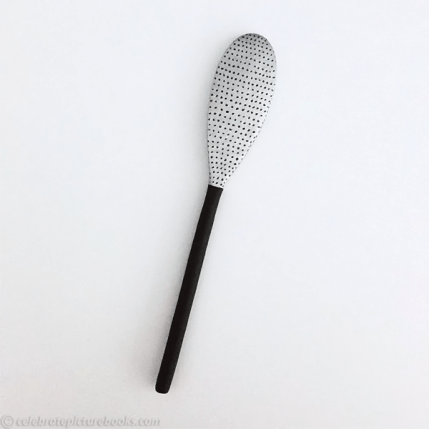
celebrate-picture-books-picture-book-review-wooden-spoon-microphone-craft

Wooden Spoon Microphone


With this easy craft you can turn a wooden cooking spoon into a fun microphone for playtime or in case you ever have to sing for your supper!

Supplies

  • Long-handled wooden spoon
  • Black craft paint
  • Silver craft paint
  • Black permanent marker

Directions

  1. Paint the handle of the spoon black, let dry
  2. Paint the head of the spoon silver, let dry
  3. After the paint is dry, make rows of small dots on the head of the spoon

June 19 – Father’s Day

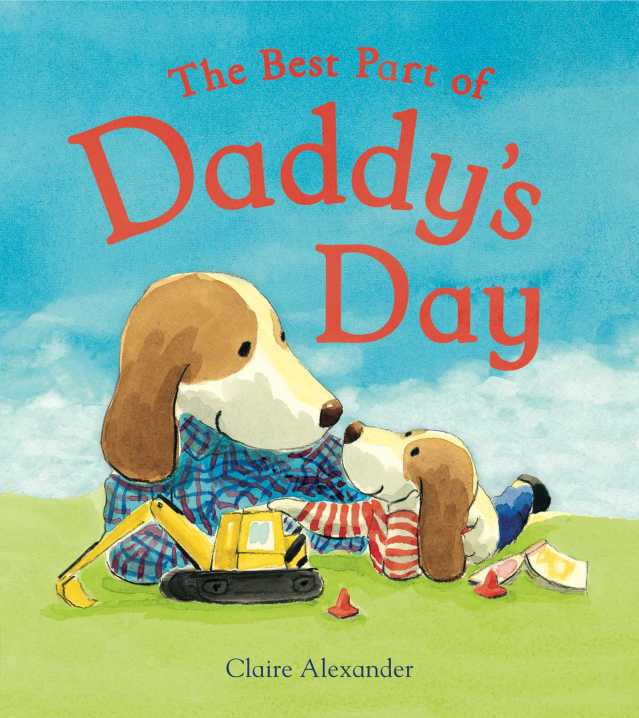
celebrate-picture-books-picture-book-review-the-best-part-of-daddy's-day-cover

About the Holiday

While celebrations of Mother’s Day caught on very quickly after the first ceremony in 1908, proclaiming Father’s Day as a national institution took a little longer. On July 19, 1910 the governor of Washington State held the first Father’s Day event. In 1916 President Woodrow Wilson, trying to attract attention to the holiday with a little technology, unfurled a flag in Spokane, Washington by pushing a button in Washington DC. This clever ploy, however, did not convince the men of the time, who scoffed at a holiday dedicated to fathers as somehow too “domesticated” and “unmanly.” During World War II celebrating Father’s Day began to be seen as a way to honor American troops and to help the war effort. The holiday entered the mainstream, but it wasn’t until 1972, when President Richard Nixon signed a proclamation, that Father’s Day became a federal holiday.

The Best Part of Daddy’s Day

By Claire Alexander


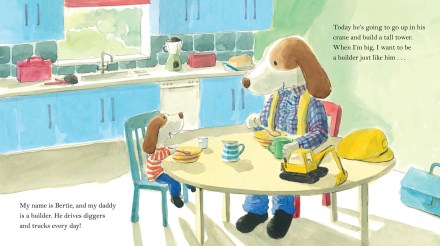
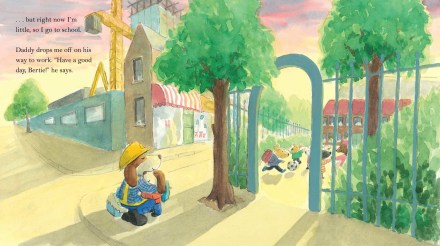
Little Bertie is proud to introduce his daddy to readers. His dad is a builder who drives diggers and trucks every day. Today he’s going to be in a crane high up in the sky working on a tall tower. “When I’m big,” Bertie says, “I want to be a builder just like him….” But right now Bertie’s dad is dropping him off at school. “‘Have a good day, Bertie!’” he says as he gives his son a hug.

With the BRRRIIING of the bell, Bertie runs into class, where he’s in for a surprise. “‘Today we’re going to be builders,’” his teacher tells her class, and Bertie knows it’s going to be a great day! First the teacher reads “an exciting story about a digger” then Bertie paints a picture of a crane like his daddy’s. But just as he’s finishing it, a classmate with paint on his shoes tracks green footprints across the paper.

celebrate-picture-books-picture-book-review-the-best-part-of-daddy's-day-interior-art

At lunchtime Bertie trips over his shoelace and spills his lunch. His great day is having some bumps along the way, and Bertie wishes he could see his daddy. He knows just what to do. He runs to the playground and climbs “up, up, UP…to the top of the jungle gym.” Bertie is so high up he “can see the top of Daddy’s tower!” Bertie can even see someone driving the crane and knows it must be his dad.

After lunch the class constructs an enormous tower. Bertie pretends to be a small crane, while his teacher, in her high-heeled shoes, is a big crane, able to place boxes higher and higher. The building they make is amazing! As the day progresses it begins to rain, but when Bertie’s dad picks him up he gives Bertie his hat to keep his ears dry. Bertie is excited to tell his dad about building the tower—it was the best part of his day, he says.

At home Bertie tells his dad “the not so good parts” of his day—about his spoiled painting and about tripping and falling. “‘I bet things like that never happen to you, Daddy,’” Bertie says. “‘Well, actually…they do sometimes!’” Bertie’s dad answers, and he tells his son about the bumps in his day—how someone walked across his new, wet cement floor and that he also tripped and fell over an untied shoelace, just like Bertie. But then, his dad says, he went back up in the crane and “‘finished my tower, and I think I saw you, Bertie, on the jungle gym!’”

celebrate-picture-books-picture-book-review-the-best-part-of-daddy's-day-interior-art

“‘It WAS me, Daddy!” Bertie exclaims. Then he asks his dad “if the best part of his day was finishing the tower.” His dad looks at his son, snuggled on his lap and answers, “‘Actually, the best part of my day is right now, being here with you, Bertie.” Bertie agrees. “‘I think this is the best part of my day, too.”

Claire Alexander hits all the right notes in her heartfelt tribute to loving father-son relationships. Brilliantly paced toward an emotional surprise twist, Alexander’s story is sweet and satisfying. The open communication between father and son adds poignancy, and the truth that while kids are inspired by their parents, parents are equally inspired by their kids may amaze children and will bring a lump to parents’ throats. This father and son aren’t just building towers, they’re building a life-long bond.

Alexander’s vivid, cheerful watercolor illustrations glow with the enthusiasm and love that Bertie and his dad feel for each other. Large two-page spreads invite kids into Bertie and his dad’s world as they eat breakfast together in the tidy kitchen, say goodbye outside the school gate, and read together in their comfy, overstuffed chair. Kids will love the view of Bertie’s playground with the gleaming glass tower and red crane rising above it and the sweeping vista of the city as seen by Bertie’s dad from atop the crane. A vertical spread of the tall tower Bertie’s class builds adds a fun element to the story and emphasizes the tower’s height for young children. 

The Best Part of Daddy’s Day  is an excellent addition to a child’s bookshelf and makes a wonderful gift. It will quickly become a favorite for bedtime or story time.

Ages 3 – 8

little bee books, 2016 | ISBN 978-1499801965

To see more of adorable books for children by Claire Alexander visit her website!

The Best Part of Daddy’s Day and more excellent books for children are available from little bee books!

Father’s Day Activity

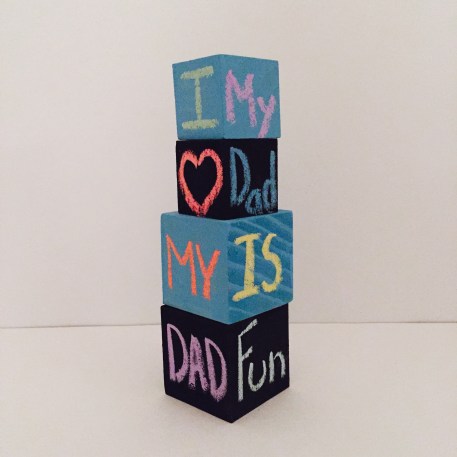
celebrate-picture-books-picture-book-review-building-blocks-craft

I Love Dad Building Blocks


This craft will stack up to be a favorite with kids! With wooden blocks and a little chalkboard paint, it’s easy to make unique building materials. They’re great for gifts, decorating, party favors, or when you just have a little time to play!

Supplies

  • Wooden blocks in various sizes, available from craft stores
  • Chalkboard paint in various colors
  • Paint brush
  • Chalk in various colors

Directions

  1. Paint the wooden blocks with the chalkboard paint, let dry
  2. Write words or draw pictures on the blocks
  3. Have fun!

May 27 – It’s National Family Month

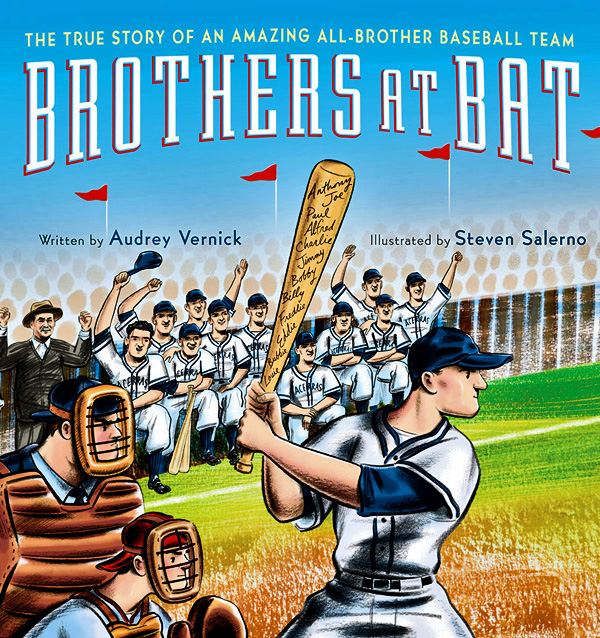
celebrate-picture-books-picture-book-review-brothers-at-bat

About the Holiday

National Family Month was established by KidsPeace and is observed in the weeks between Mother’s Day and Father’s Day to encourage families to spend time together. Now that the school year is coming to a close, it’s the perfect time to plan some fun activities!

Brothers at Bat: The True Story of an Amazing All-Brother Baseball Team

Written by Audrey Vernick | Illustrated by Steven Salerno


When the weather warms and kids’ thoughts turn to sports, the afternoon air rings with the sounds of slamming doors as players race from home to the baseball diamond. Back in the 1920s and ‘30s, the same door slammed not once or twice, not three or four times, not even eight or nine! The door shut behind 12 brothers! Anthony, Joe, Paul, Alfred, Charlie, Jimmy, Bobby, Billy, Freddie, Eddie, Bubbie, and Louie Acerra. These 12 boys also had 4 sisters—but this is a story about baseball, and back then girls didn’t play ball.

It could be said that “baseball set the rhythm of their lives.” Neighbors couldn’t remember a time when Acerra boys weren’t throwing or hitting a ball or running the bases at the local park. And there was an Acerra on the high school baseball team for 22 years in a row!

In 1938 the nine oldest brothers formed a semi-pro team and competed against other New Jersey teams and teams from New York and Connecticut. Their dad was their coach. The brothers all had different skills—Anthony could hit homeruns, and even hit a couple into the Atlantic Ocean from a seaside park; Charlie was a slow runner; and Jimmy had a knuckleball that was unhittable and uncatchable.

But playing had its dangers too. In one game Alfred was going to bunt, but the ball bounced badly off the bat and hit him in the face. He was rushed to the hospital, but the accident caused him to lose an eye. Everyone thought he would never play again. But after he healed, his brothers helped him recover his skills and his courage.

During World War II six of the brothers joined the war effort and spent years apart. Far from home they dreamed of the days when they played together on warm afternoons. When the war ended all the Acerra boys came home to their very happy mother. The brothers got back to what they loved doing best. Now Anthony was their coach, and from 1946 to 1952 they won the Long Branch City Twilight Baseball League championship four times—much to the pleasure of the crowds that came out to watch the Acerras play.

As time went on the Acerras got jobs, married, and had families of their own. In 1952 the brothers played their last game as a team, having made history as the longest-playing, all-brother baseball team ever. Even though the Acerras played many, years ago, people have not forgotten them. In 1997 they were honored by the Baseball Hall of Fame. The surviving seven brothers made the trip along with one sister and more than a hundred relatives. Now Jimmy Acerra’s uniform and glove are on display alongside exhibits about Babe Ruth, Ty Cobb, and Willie Mays. If you visit the Baseball Hall of Fame, you can see them too!

Interesting and personal author’s and artist’s notes follow the text.

Baseball fans will love Audrey Vernick’s exciting, true story of this most unusual team. Her focus on the close relationship of the Acerra brothers elevates the tale from merely a sports story to one that reveals deep affection and support during difficult times. The different personalities of the brothers shine through in Vernick’s easy, conversational tone, and the inclusion of the Acerra brothers’ induction into the Baseball Hall of Fame shows that this story lives on for all generations.

Steven Salerno’s evocative illustrations will transport readers into a past where neighborhood leagues enjoyed the same level of loyalty as the majors. Capturing the brushed style, colors, and portraiture of pictures of the period, Salerno shows kids not only what it meant to be a baseball player in the 1930s and 40s, but what it meant to be a family.

Ages 4 – 9

Clarion Books, 2012 | ISBN 978-0547385570

National Family Month Activity

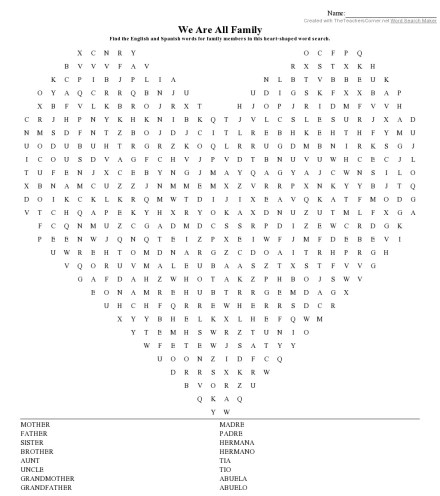
celebrate-picture-books-picture-book-review-we-are-all-family-word-search

We Are All Family English – Spanish Word Search


This month is all about family! Find the words for special relatives in this English – Spanish dual language word search! Print the We Are All Family word search puzzle here! And here’s the Solution!

May 25 – National Photography Month

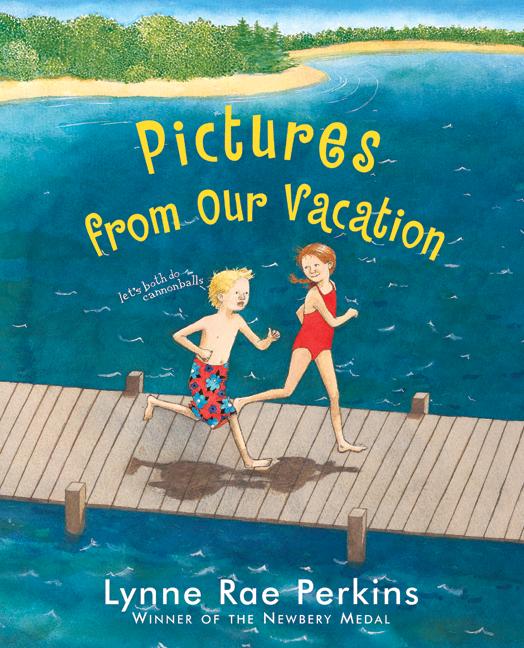
celebrate-picture-books-picture-book-review-pictures-from-our-vacation

About the Holiday

Established in 1987 by the United States Congress to commemorate the importance of photos to present and future generations, National Photography Month encourages photographers to really look at their subjects and become more intentional about making photos that will be meaningful in the future. Once you’ve taken your pictures, don’t just leave them on your phone, in the cloud, or on your hard drive. Print them and document the place, people, and time of each picture for future generations.

Pictures from Our Vacation

By Lynne Rae Perkins


Just before a family leaves on vacation, a girl and her brother each receive a Polaroid camera and a notebook from their mom so they can document their trip. The first picture the little girl takes is of her feet by mistake. During the two-day trip to the old farm where their dad grew up, the kids play with games from the activity bag and look out the window at the passing landscape. Her second photo taken through the car window reveals “there was not anything to look at out there,” although she does see an orange truck labeled “Yellow” and a motel with a red roof. 

She thinks that if she owned a motel it would be called the Blue Motel, and she begins to imagine in detail the accommodations she would offer. In the Jungle Cottage people would sleep in hammocks and shower under a waterfall. In the Sun Cottage, the bed would glow like the sun but turn off for sleeping. The floor of the Flower Garden Cottage would be real grass, and she thinks up many more.

Her reveries last until the family begins searching for a real motel. They stop at the Shangri-La, which advertises POOL, but as the girl’s photograph shows, “it didn’t have water in it.”

When the family reaches the farm, Dad sees happy memories everywhere. They find an old badminton set with warped racquets (shaped like potato chips, the girl says in her picture’s caption) and begin to play. But one minute into the game the rain comes down. It rains for days and the family spends the time playing cards, reading, and drawing.

After the rain stops, Dad takes the family to a hidden swimming spot. They forge their way through the now-overgrown secret path only to find a KEEP OUT sign and a guard dog.  They backtrack to the car and drive around and around, having trouble finding the lake. They stop at a park, where the girl takes a picture of hills that were built in ancient times to look like a snake from the air and one of a leftover Chinese food container where a squirrel was eating before it ran away.

At last they find the lake and run out to the end of the dock. But a boy warns them of an impending storm. Suddenly, the storm breaks and as the family shelters in the dock gazebo, the girl learns that tomorrow they are attending a memorial service. The next day the old farmhouse fills up with relatives who have traveled there for a memorial service for Great-aunt Charlotte.

At the service family members tell stories about Charlotte’s brave escapades and afterward the whole crew go back to the farmhouse to spend a several days. They eat dinner and tell more stories, and the cousins play. They roll down the hill, climb trees, and explore. That night as the kids sleep upstairs, murmurs of continued conversation float up through the grate. After a few days, the families disperse and only the girl and her brother and parents stay behind, but the memories and feeling of the full house remain.

Finally the girl’s family leaves too, and as they drive home she looks at the pictures she has taken. “‘These don’t remind me much of our vacation,’” she says. She snaps one last picture as they pass a row of huge electrical towers along the highway. When she looks at the photograph, however, the towers don’t look like the giant robots she imagined. She realizes that “it’s hard to take a picture of a story someone tells, or what it feels like when you’re rolling down a hill or falling asleep in a house full of cousins and uncles and aunts. There are a lot of things like that. But those kinds of pictures I can keep in my mind.”

Lynn Rae Perkins’ paean to formative old-fashioned vacations in which extended family members gathered to pass on history and traditions through stories told around the picnic table is a welcome reminder in this digital age that some “pictures” are better stored in one’s memory than on a device. Perkins’ choices of details seen on the two-day road trip, the incessant rain, and the changed landscape that lead to wrong directions are just the kinds of childhood events that often stick in a person’s memory for life. The story is charmingly told from a child’s point of view with realistic dialogue and a tone of heartfelt nostaligia.

Perkins’ realistic drawings of the family are homey and evocative. The kids lounge in the backseat of the car while the little girl conjures up the décor of her Blue Motel; the old house and fields of the family farm are rendered in warm golds and greens with humor and comfort; and you can almost hear the shouts and laughter of the family members gathered on the lawn at the reunion. This is a vacation kids will love to take.

Ages 4 – 8

Greenwillow Books, HarperCollins, 2007 | ISBN 978-0060850975

National Photography Month Activity

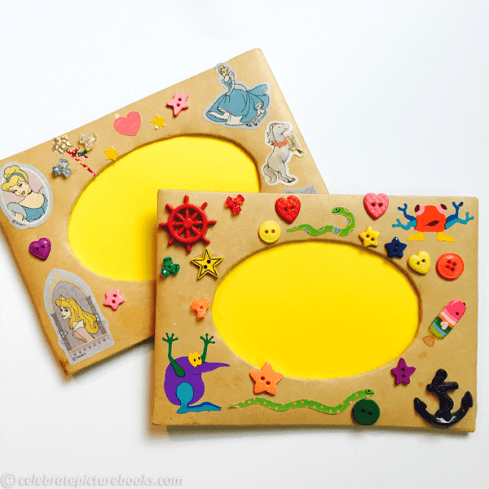
celebrate-picture-books-picture-book-review-frame

Fantastic Frame!


Your photographs show your unique personality, why shouldn’t the frame you put them in? Today, you can make a frame that perfectly suits your décor or snapshot!

Supplies

  • Cardboard or bare wood frame, available at craft stores
  • Stickers
  • Buttons
  • Jewels
  • Beads
  • Glue
  • Paint in your favorite color
  • Paint brush

Directions

  1. Paint the frame (optional), let dry
  2. Attach stickers, beads, buttons, or other objects
  3. Fill with your favorite picture

May 8 – Mother’s Day

celebrate-picture-books-picture-book-review-cuddles-for-mommy

About the Holiday

Celebrating mothers dates back to the ancient Greeks and their annual spring festival honoring maternal goddesses. In the 1600s a Mothering Sunday was enacted in England, and employers encouraged their servants, apprentices, and any other employees who lived away from their families to visit their mother and bring her gifts. This tradition died out by the 19th century, but gained popularity again after World War II when it merged with the American holiday.

The first modern notion of Mother’s Day came in 1872 and belongs to Juliet Ward Howe. It wasn’t until 1912, however, after Anna Jarvis promoted the holiday through a letter-writing campaign to politicians and newspapers across the country that Mother’s Day was celebrated in every state. President Woodrow Wilson made it a national holiday in 1914. Now Mother’s Day is celebrated around the world. Today, let your mom know how much she means to you!

Cuddles for Mommy

Written by Ruby Brown | Illustrated by Tina Macnaughton


While Little Owl sits on the tree branch reading her book and watching her Mommy knit, she feels like giving her a cuddle. But what kind of cuddle should it be? There is the kind of cuddle that’s just right to say good morning. But it’s afternoon and Little Owl and Mommy have already had their good-morning cuddle.

celebrate-picture-books-picture-book-review-cuddles-for-mommy-book

Image copyright Tina Macnaughton, 2016, text copyright Ruby Brown, 2016. Courtesy of Little Bee Books.

Perhaps a goodbye cuddle then. Those always feel good when Mommy drops Little Owl off at school in the morning. But Little Owl isn’t going anywhere. Little Owl thinks and thinks. “What about the cuddle I give you when I’m sorry?” asks Little Owl. But Mommy reminds her that she hasn’t done anything wrong.

Then Little Owl has another idea: there’s a special cuddle Mommy gives when Little Owl is scared. That might work—except that Little Owl isn’t afraid now. After a while Little Owl says, “’I always give you a cuddle to say thank you. Like when you’ve brought me a new book.’” Mommy Owl tells her to hold on to that cuddle because they are going to the bookstore later.

celebrate-picture-books-picture-book-review-cuddles-for-mommy-cooking

Image copyright Tina Macnaughton, 2016, text copyright Ruby Brown, 2016. Courtesy of Little Bee Books.

Little Owl thinks and thinks. What other reasons are there to give a cuddle? There’s the excited happy cuddle, but while Little Owl is happy, she’s not excited. And cuddles come when Mommy is proud of her, Little Owl decides, remembering her trumpet performance last week. And when Little Owl is sick; Mommy always cuddles her then, but she’s not sick today. The good-night cuddle is always a favorite, but it’s far from bedtime now.

Suddenly, Little Owl has a fantastic idea. “I know what kind of cuddle I can give you RIGHT NOW, Mommy!” exclaims Little Owl. “She wrapped her wings tight around Mommy Owl and squeezed tight. The Mommy Cuddle! Just because I love you!”

celebrate-picture-books-picture-book-review-cuddles-for-mommy-goodbye

Image copyright Tina Macnaughton, 2016, text copyright Ruby Brown, 2016. Courtesy of Little Bee Books.

Ruby Brown’s sweet dilemma makes for cuddle-perfect reading. The gentile and loving dialogue between Little Owl and her Mommy is a reminder for children that their mom is always there to make any day or event better with a hug and endless love. Kids will recognize and respond to all the different hugs and the nuances behind those squeezes.

Tina Macnaughton’s soft paintings of the adorable Little Owl and her Mommy are lit with glowing golds, greens, pinks and violets that reflect the love between them. Little Owl’s memories of all the different life events that elicit the cuddles she gives Mommy and gets in return are depicted with homey details that reinforce the closeness between mother and child. The special relationship between mother and child is evident on every page, where cuddles and hugs abound.

Little Owl is endearing in her earnest quest to find just the right hug for the feelings inside her, making Cuddles for Mommy an excellent book for bedtime or naptime—or for any time that a hug would feel just right. Cuddles for Mommy is a nice addition to a child’s bookshelf.

Ages 3 – 8

Little Bee Books, 2016 | ISBN 978-1499802030

Mother’s Day Activity

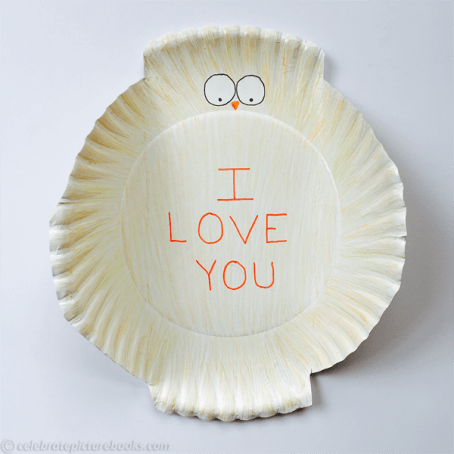
celebrate-picture-books-picture-book-review-paper-plate-owl

Make a Mother’s Day Hug Card


Moms love hugs on Mother’s Day—and any day! Make this Mother’s Day card that says “Owl always love you!”

Supplies

  • Paper plate
  • Brown, yellow, and orange colored pencils or crayons
  • Black, orange, and red markers

celebrate-picture-books-picture-book-review-paper-plate-owl-open

Directions

  1. Fold the sides of the plate in toward the center, overlapping one on the other a little
  2. Trim the top and bottom of each folded half-circle to make room for a head and tail
  3. Draw eyes and a beak just above the round center of the plate
  4. Outline the eyes in back marker and add pupils
  5. Draw and color a beak with the orange marker
  6. Color the back and front of the plate with brown, yellow, and orange colored pencils or crayons
  7. Write “I Love You” or whatever you would like to say to your mom in the center of the plate
  8. Fold the wings closed

Give  your mom your card along with a hug!

Picture Book Review

May 5 – Cinco de Mayo

celebrate-picture-books-picture-book-review-mango-abuela-and-me

About the Holiday

Cinco de Mayo has its origins in a victorious battle for Mexico during the Franco-Mexican War in 1862. In the United States this day is a celebration of the rich culture and heritage of Mexico that includes parades, mariachi music performances, Mexican food, and street festivals. If you can, attend a cultural event, listen to Mexican music, or prepare a special Mexican dinner.

Mango, Abuela, and Me

Written by Meg Medina | Illustrated by Angel Dominguez


During the winter Mia’s Abuela moves from her house far away to live with her  family. Mia feels shy around her unfamiliar grandmother, but quickly adapts, sharing her room and her drawer space. The one thing they cannot share is language. Abuela “can’t unlock the English words” in Mia’s book, and Mia knows only a little Spanish.

On the first night Abuela shows Mia two things she has carefully brought with her—a feather from a wild parrot that roosted in her mango trees and a photograph of her late husband. “Tu Abuelo,” she explains to Mia.

For the rest of the winter, Mia spends time with her grandmother, but regrets that she can never tell her important things about her life. Abuela does’t know that Mia’s good at art or can beat the boys in a race. Likewise, Abuela can’t tell Mia about her life or answer Mia’s many questions. 

When Mia confides in her mother, her mom reminds her of how she helped her best friend, Kim, learn English when she was new at school. One day while Mia and her grandma bake meat pies, Mia pretends to be her teacher, naming each ingredient in English. Abuela reciprocates with the Spanish word. Mia suddenly has an idea. Shetags everything in the house with its English name and the pair practices.

The next day on a trip to the pet shop to buy hamster food, Mia sees something in the window that gives her another exciting idea. Right in the middle of the display sits a colorful parrot. “Let’s buy him,” Mia exclaims. “For Abuela.” The parrot can keep Abuela company while she is in school, Mia thinks.

Abuela is thrilled with the gift, and they name the parrot Mango because he is the color of the tropical fruit. Abuela teaches him to say Buenos tardes. Good afternoon, Mia teaches him. “Buenos tardes, good afternoon,” Mango repeats. Abuela, Mia, and Mango spend the days practicing new English and Spanish words, learning the days of the week, the months, and the names of coins. Encouraged by her success, Abuela asks to learn more and harder words so she can meet people in the neighborhood.

Best of all, Mia and Abuela can now talk about everything. Their “mouths are full of things to say,” and they tell each other about their day and their lives. From his perch Mango watches and listens. Night falls and as the light is turned off, Mia says “Hasta mañana, Abuela.” “Good night, Mia,” Abuela whispers.

Meg Medina beautifully represents the relationship between a little girl and her grandmother who are unfamiliar with each other but bound by familial love. The little girl’s acceptance of her grandmother and desire to communicate is strongly depicted in the activities they do together. Mia’s clever ideas to promote the mutual learning of each other’s language shows the kind of inclusiveness that builds friendships. 

Angela Dominguez depicts the developing friendship between Mia and her Abuela in bright paintings that mirror the reds, blues, greens, and yellows of the tropics. The pair’s closeness grows organically from page to page as Mia first shies away from the grandmother who is a stranger to her to attempts at communication to deep feelings of love as they bridge the language barrier through dedication, hard work, and the help of a unique friend.

Ages 5 – 8

Candlewick Press, 2015 | ISBN 978-0763669003                    

Cinco de Mayo Activity

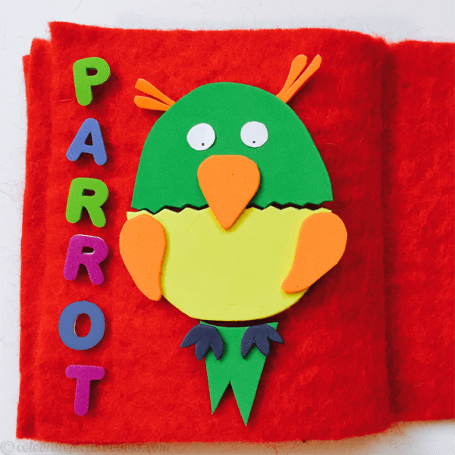
celebrate-picture-books-picture-book-review-parrot

Create a Soft Book, Page 5—Parrot


Parrots are beautiful and exotic birds with a talent for language! Add this colorful tropical parrot to your soft book with the printable template provided.

Supplies

  • Printable Parrot Template
  • Yellow, green, orange, white, and black or brown felt, fleece, or foam
  • Adhesive felt or foam letters
  • Fabric glue
  • Scissors

Directions

  1. Cut out the head and tail from the green felt, fleece, or foam
  2. Cut out the body from the yellow felt, fleece, or foam
  3. Cut out the beak, wings, and feather tufts from the orange felt, fleece, or foam
  4. Cut out the feet from the brown or black felt, fleece, or foam
  5. Assemble the parrot and glue in place
  6. Attach the adhesive letters, making sure they stick firmly. If they don’t use fabric glue

See you tomorrow!